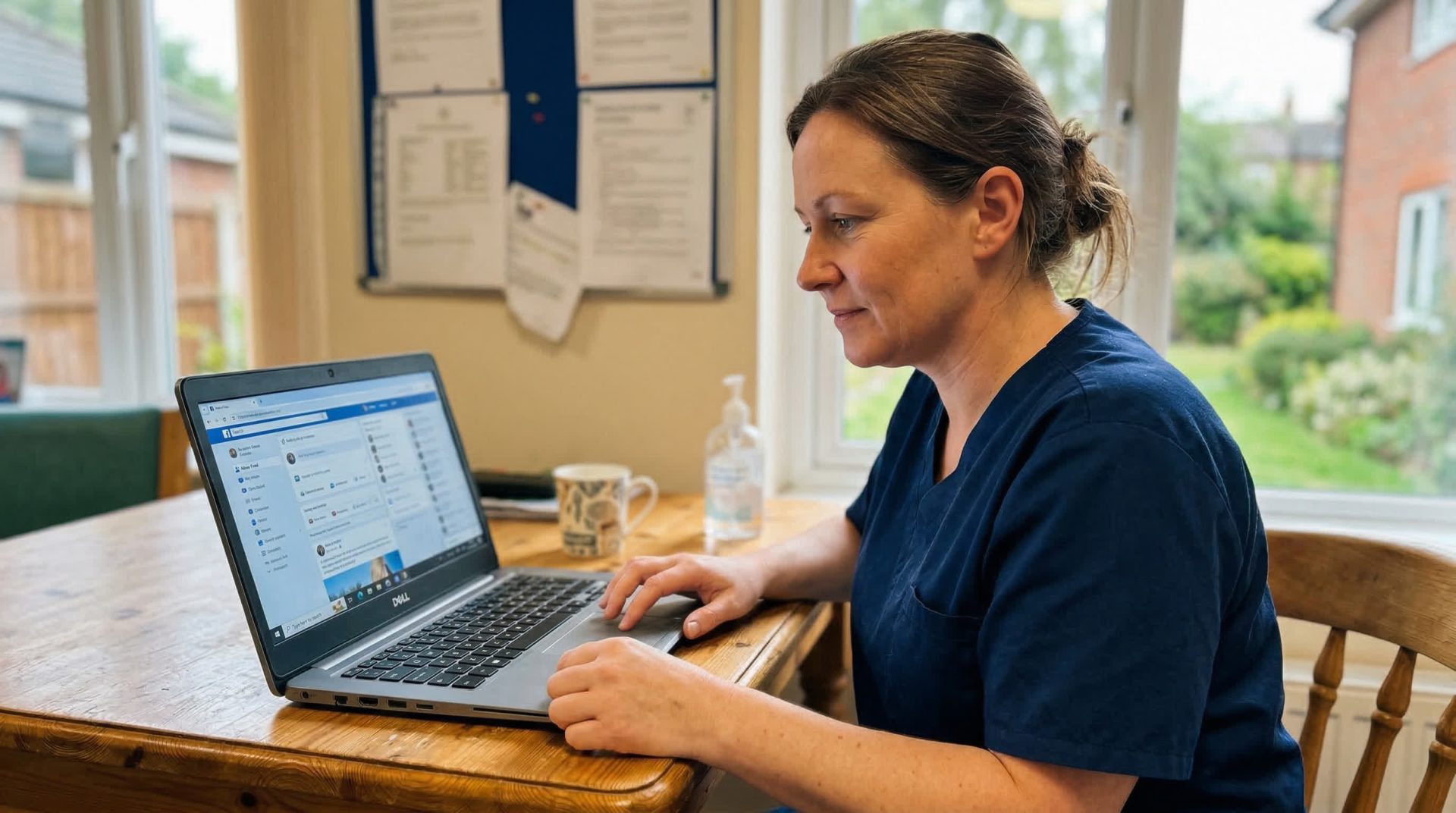
Social media describes online services that let people create, share and respond to content. In a care home context, it is often used to post updates, photos, short videos, event information and service news to an audience that chooses to follow the page. When managed well, social media can support communication, community engagement and public trust. When managed poorly, it can create risks around privacy, confidentiality, safeguarding and reputation.
This free social media for care homes course explains why social media matters, who uses it, the benefits and risks involved, and how staff can use it in ways that are lawful, respectful and aligned with professional standards.
Why Take This eLearning Course?
Social media is now part of how many care homes communicate with families, professionals and the local community. It can help celebrate daily life, share practical updates and reflect the values of the service. At the same time, it must be used carefully to protect dignity, confidentiality and safeguarding.
This free course will help you to:
- Understand what social media is and which platforms are commonly used in the UK.
- Recognise why social media is important for care homes.
- Understand who uses care home social media, including families, residents, professionals and the local community.
- Explore the main benefits of social media, including communication, reputation and engagement.
- Identify key risks linked to privacy, confidentiality, safeguarding and staff conduct.
- Understand how poor use of social media can damage trust and public confidence.
- Learn the main UK legislation relevant to social media use in care settings.
- Understand confidentiality and why it must be protected in online content.
- Recognise the importance of consent when sharing images, videos or stories.
- Explore professional boundaries for staff using social media.
- Learn what types of content are suitable for care home pages.
- Understand how to create positive, person-centred posts.
- Improve confidence in writing clear, respectful and inclusive messages.
- Learn good practice for using images and videos safely.
- Understand the difference between personal and professional social media use.
- Recognise common mistakes staff should avoid.
- Learn how to follow workplace social media policies.
- Understand how to respond appropriately to comments, complaints and concerns online.
- Recognise when online issues should be escalated through formal routes.
Learning Outcomes
By the end of this course, you will be able to:
- Define what social media is and list common platforms used in the UK.
- Explain why social media is important for care homes.
- Identify who uses care home social media.
- Describe the benefits of social media for care homes.
- Outline potential risks, including privacy, confidentiality and safeguarding concerns.
- Explain how poor use of social media can impact a care home’s reputation.
- Outline key UK legislation relevant to social media use.
- Define confidentiality and explain how it applies to online content.
- Identify the importance of consent when sharing images, videos or stories.
- Describe professional boundaries for staff using social media.
- Identify suitable types of content for care homes.
- Give examples of positive, person-centred posts.
- Explain how to write clear, respectful and inclusive messages.
- Outline good practice when using images and videos.
- Describe the difference between personal and professional social media use.
- Identify common mistakes staff should avoid.
- Outline how to follow workplace social media policies.
- Explain how to respond to comments and messages appropriately.
- Identify how to deal with negative feedback or complaints online.
- Outline when and how to escalate concerns.
Social Media in Care Homes – Course Content Outline
Module 1: Understanding Social Media and Its Role in Care Homes
Learners will explore what social media is and how it is used within care home settings. This module explains social media as online services that allow people to create, share, and respond to content, including updates, photos, videos, and event information. Learners will examine common platforms used in the UK, such as Facebook, Instagram, X, TikTok, YouTube, and LinkedIn, and will consider how each may be used differently in a care home context. The module also explains why social media is important for care homes, particularly in supporting communication, openness, reassurance, visibility, and community engagement. Learners will also explore the different audiences who may view care home social media, including families, residents, professionals, and the local community, and why content must remain suitable for a wide public audience.
Module 2: Benefits and Risks of Social Media Use
This module focuses on the potential benefits and risks of social media in care homes. Learners will examine how social media can support faster communication, stronger community links, celebration of everyday life, recruitment, and reputation-building when content is planned and managed carefully. The module also explains the risks linked to privacy, confidentiality, safeguarding, misrepresentation, and staff conduct, showing how posts can be widely shared, copied, or misunderstood once online. Learners will consider how poor use of social media can damage trust, raise concerns about governance and leadership, affect staff morale, and make recruitment more difficult. The module emphasises that the positive value of social media depends on clear permissions, safe systems, careful wording, and strong oversight.
Module 3: Legal Duties, Confidentiality, Consent, and Professional Boundaries
Learners will explore the main legal and professional responsibilities linked to social media use in care homes. This module explains the relevance of the Data Protection Act 2018, UK GDPR, the Human Rights Act 1998, the Mental Capacity Act 2005, safeguarding duties, defamation law, and copyright law when online content includes personal data, images, stories, or public statements. Learners will examine what confidentiality means in an online context and how it applies to care information, identifying details, background information in photos, and public comments or replies. The module also explains why consent is essential when sharing images, videos, or stories, and how consent must be informed, specific, recorded, and reviewed. Professional boundaries for staff are also covered, including the need to keep personal and work identities separate, avoid discussing workplace matters online, and use appropriate channels for any communication related to care.
Module 4: Creating Suitable, Respectful, and Person-Centred Content
This module focuses on the types of content that are suitable for care home social media and how to ensure that posts remain respectful and person-centred. Learners will examine examples of appropriate content, such as activity highlights, community links, practical updates, recruitment posts, achievements, and general service information. The module also explains what positive, person-centred posts look like, including celebrating preferences, recognising achievements, marking milestones, promoting meaningful roles, and reflecting identity and choice without revealing private information. Learners will explore how to write clear, respectful, and inclusive messages using language that protects dignity, avoids stereotypes, and remains factual and professional. The module also covers good practice in using images and videos, including confirming consent, checking backgrounds, avoiding live streaming, using secure devices, framing content respectfully, and storing or deleting media safely.
Module 5: Staff Responsibilities and Following Social Media Policy
Learners will explore the responsibilities of staff when using social media in and around their professional role. This module explains the difference between personal and professional social media use, showing why official accounts, workplace approval routes, and clear separation between personal and work identity are important in maintaining trust and confidentiality. Learners will examine common mistakes staff should avoid, such as posting identifiable information, sharing workplace details through personal accounts, arguing online, responding emotionally, or allowing private messages to blur professional boundaries. The module also explains how to follow workplace social media policies, including checking approval routes, understanding consent processes, using work devices correctly, storing media safely, following content plans, and reporting risky content or confidentiality breaches through the correct internal routes.
Module 6: Responding to Comments, Complaints, and Escalating Concerns
In the final module, learners will explore how to manage public interaction on care home social media in a safe and professional way. This module explains how to respond to comments and messages appropriately by acknowledging politely, keeping replies general, moving private matters offline, keeping records where required, and avoiding arguments or defensive responses. Learners will also examine how to deal with negative feedback or complaints online by acknowledging concerns, avoiding discussion of care publicly, signposting formal complaints routes, correcting factual errors carefully, and monitoring abusive or threatening content. The module concludes by explaining when and how to escalate concerns, including safeguarding issues, confidentiality or data breaches, and complaints or allegations that raise wider reputational or service risks. Learners will understand the importance of clear thresholds, prompt reporting, leadership oversight, and consistent record keeping so that concerns are managed through the right channels and in line with care home policies.
Target Audience
This course is suitable for:
- Care home staff.
- Activities co-ordinators.
- Senior carers and team leaders.
- Managers and deputy managers.
- Administrators and communications staff.
- Anyone involved in creating, approving or responding to social media content in a care home.
No previous specialist knowledge of social media management is required.
FAQ
Is this course relevant to care homes in the UK?
Yes. The course is designed for UK care home practice and refers to key legal and professional duties, including data protection, confidentiality, consent, safeguarding and professional conduct.
Does the course cover both benefits and risks of social media?
Yes. It explains how social media can support communication and public engagement, while also addressing risks around privacy, confidentiality, safeguarding and reputation.
Will this course help staff understand what can and cannot be posted?
Yes. It covers suitable content, person-centred posts, image use, consent, confidentiality and the checks that should take place before anything is shared online.
Does it include guidance on staff boundaries?
Yes. The course explains professional boundaries, the difference between personal and professional use, and how staff can avoid blurred roles or unsafe online behaviour.
Does the course cover complaints and negative comments?
Yes. It explains how to respond calmly and appropriately to comments, how to move complaints into formal routes, and when concerns should be escalated.
Is legislation included?
Yes. The course includes the main UK legislation relevant to social media use in care homes, including the Data Protection Act 2018, UK GDPR, Human Rights Act 1998 and Mental Capacity Act 2005.
How long does the course take?
The course is self-paced and typically takes 1 hour to complete.
Will I receive a certificate?
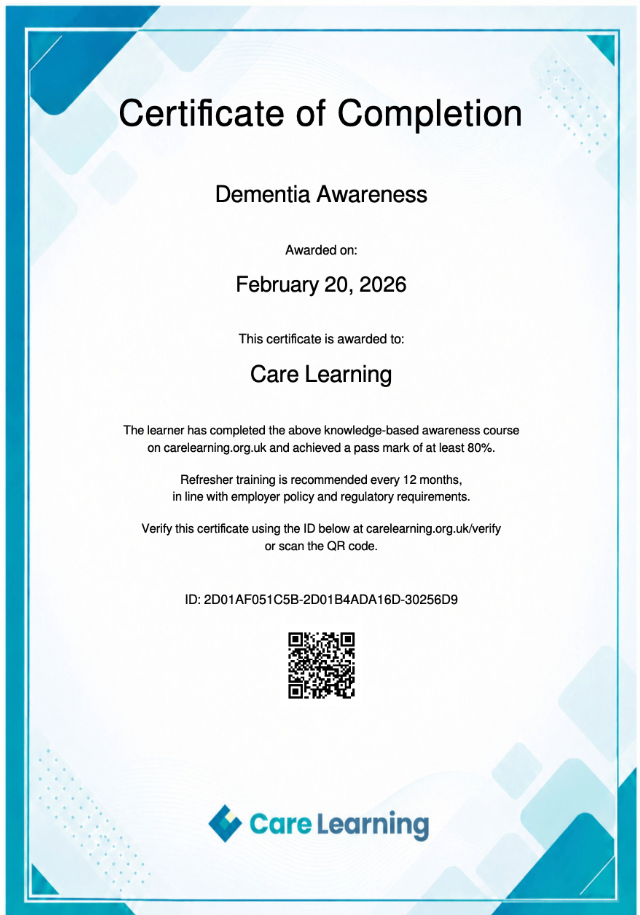
Yes. A certificate is issued after successful completion.
Used well, social media can help care homes communicate clearly, celebrate daily life and strengthen links with families and the wider community. By understanding the legal, ethical and professional responsibilities involved, staff can use social media in ways that protect dignity, privacy and trust.
Enrol now to build your understanding of social media for care homes.