The Safeguarding Awareness for Volunteers course provides practical safeguarding knowledge for people who volunteer with children, adults, families and communities. It is suitable for volunteers in charities, community organisations, faith groups, support services and other settings where they may notice concerns, receive a disclosure or encounter unsafe practice.
This free course explains key safeguarding terminology, common forms and indicators of abuse and neglect, the volunteer’s role and boundaries, appropriate responses to disclosures, reporting and escalation procedures, factual recording, confidentiality and information sharing. It also covers safer recruitment, DBS checks, online safeguarding, inclusive communication, person-centred approaches and reliable sources of safeguarding support.
Why Take This eLearning Course?
Volunteers can be well placed to notice changes, hear concerns or recognise behaviour that may indicate someone is at risk. Effective safeguarding does not require volunteers to investigate concerns or make professional decisions. It requires them to recognise possible harm, respond appropriately, follow procedures and know when to seek further help.
This course will help you to:
- Understand what safeguarding means and why it matters in voluntary roles.
- Recognise common forms of abuse, neglect, exploitation and unsafe practice.
- Notice possible indicators without making assumptions or reaching unsupported conclusions.
- Respond calmly and appropriately when someone shares a safeguarding concern.
- Maintain clear professional boundaries in face-to-face and online volunteering.
- Understand when a concern needs prompt, urgent or external escalation.
- Make clear, accurate and factual safeguarding records.
- Handle confidential information responsibly through appropriate reporting routes.
- Communicate inclusively with people who have different needs or preferences.
- Know where to find current safeguarding guidance, advice and support.
Learning Outcomes
By the end of this course, you will be able to:
- Define safeguarding, abuse, neglect, harm and related safeguarding terms.
- Explain the safeguarding responsibilities and boundaries of a volunteer.
- Identify common forms and possible indicators of abuse, neglect and exploitation affecting children and adults.
- Describe how safeguarding disclosures may arise and respond without investigating.
- Recognise organisational, behavioural and online safeguarding concerns.
- Explain how to report, record and escalate safeguarding concerns appropriately.
- Describe appropriate confidentiality and safeguarding information-sharing practice.
- Explain how inclusive communication and person-centred approaches support safeguarding.
- Outline the role of safeguarding leads, safer recruitment and disclosure checks.
- Identify reliable sources of safeguarding guidance, local support and professional advice.
Safeguarding Awareness for Volunteers Course Outline
The course is organised into eight modules, progressing from core safeguarding awareness through recognition, response, reporting and recording to ongoing learning and sources of support.
Module 1: Understanding Safeguarding and the Volunteer Role
Learners will explore the meaning of safeguarding and important terms including abuse, neglect, harm, child safeguarding and adult safeguarding. The module explains why safeguarding matters for volunteers who may have trusted contact with children, families or adults requiring support. It also introduces the safeguarding framework in England, including relevant child and adult safeguarding arrangements, while recognising that Scotland, Wales and Northern Ireland have their own legislation, systems and procedures. Learners will understand that volunteers follow organisational procedures rather than interpreting legislation or deciding whether statutory thresholds have been met.
Module 2: Recognising People at Risk and Types of Harm
Learners will consider how safeguarding concerns can affect people from any background and why assumptions about age, disability, culture, religion, appearance, communication or family circumstances should be avoided. The module introduces the broad adult safeguarding criteria used in England and explains common categories of adult abuse, including physical, sexual, psychological, domestic, discriminatory, financial and organisational abuse, neglect, self-neglect and modern slavery. It also covers physical, emotional and sexual abuse of children, neglect, exploitation and online harm, helping learners recognise concerns without trying to determine whether abuse has been proven.
Module 3: Indicators, Disclosures and Unsafe Practice
Learners will identify possible physical, environmental, behavioural, relational and disclosure-based indicators of abuse or neglect. They will examine how disclosures may be direct, indirect or gradual and how to listen carefully without testing an account, seeking proof or repeatedly questioning the person. The module also addresses unsafe organisational practice, inappropriate behaviour, blurred boundaries, private online contact, inappropriate images or messages and grooming behaviour in both face-to-face and digital environments.
Module 4: Safeguarding Responsibilities, Procedures and Safer Recruitment
Learners will examine the volunteer’s responsibility to notice, listen, respond, report and record while remaining within clear role boundaries. The module explains the role of safeguarding leads and alternative reporting routes where the usual contact is unavailable, implicated in the concern or cannot safely be approached. It also introduces DBS checks and safer recruitment in England and Wales, explaining why eligibility depends on the role and activity rather than volunteer status alone, alongside the importance of references, supervision, role descriptions and other safer recruitment measures. Differences in disclosure arrangements elsewhere in the UK are also recognised.
Module 5: Responding and Communicating Appropriately
Learners will explore how to respond when someone shares a safeguarding concern, including listening calmly, taking the information seriously, avoiding leading questions and explaining that absolute confidentiality cannot be promised. The module considers inclusive safeguarding communication, including communication methods, additional processing time, language support, cultural respect and accessible formats. It also introduces person-centred adult safeguarding, including listening to an adult’s wishes and preferences while continuing to follow organisational reporting requirements and seeking advice where safety, choice and procedural responsibilities appear difficult to balance.
Module 6: Reporting, Urgent Escalation and Speaking Up
Learners will understand the importance of acting without unnecessary delay when a safeguarding concern arises. The module explains immediate safety considerations, prompt internal reporting and circumstances in which emergency services, Children’s Social Care, Adult Social Care or another external route may be required. Learners will also examine what to do when the normal reporting process is unavailable, unsafe or ineffective, including internal escalation, governance routes and appropriate external support. The importance of avoiding confrontation with an alleged abuser and keeping reporting action factual and properly recorded is reinforced throughout.
Module 7: Recording, Confidentiality and Shared Responsibilities
Learners will develop an understanding of effective safeguarding recording, including recording information promptly, separating fact from opinion, using a person’s own words where relevant and noting important contextual details and actions taken. The module explains confidentiality, appropriate information sharing, lawful handling of personal information, proportionality and secure communication. It also considers the respective responsibilities of leaders, trustees, managers, volunteers, safeguarding partnerships and other agencies in maintaining effective safeguarding arrangements.
Module 8: Safeguarding Guidance, Support and Ongoing Awareness
Learners will identify reliable organisational, local and official safeguarding guidance, including resources relevant to child safeguarding, adult safeguarding, charities, disclosure checks, data protection and role-specific practice. The module explains where safeguarding help may be available through organisational contacts, local authority services, emergency services, safeguarding partnerships and specialist support organisations. Learners will also consider how induction, refresher learning and regular procedure checks help maintain safeguarding knowledge. The course concludes with a practical recap based on noticing concerns, considering immediate safety, listening, reporting, recording and escalating when necessary.
Target Audience
This course is suitable for:
- New and existing volunteers in charities and voluntary organisations.
- Community and faith-based volunteers who may work with children, adults or families.
- Volunteers involved in activities, support services or community programmes.
- People volunteering with adults who have care and support needs.
- Volunteers who communicate with people through online or remote services.
- Organisations seeking introductory safeguarding awareness training for their volunteers.
No previous specialist knowledge is required.
FAQ
Who is the Safeguarding Awareness for Volunteers course suitable for?
The course is designed for volunteers who may come into contact with children, adults, families or people using community and support services. It is relevant to a wide range of charitable, voluntary, faith-based and community organisations.
Do I need any previous experience?
No. The course provides introductory safeguarding awareness and explains the responsibilities expected of volunteers without assuming previous safeguarding expertise.
What will I learn on this course?
You will learn how to recognise possible safeguarding concerns, understand common types and indicators of abuse and neglect, respond appropriately to disclosures, report and escalate concerns, make factual records and handle safeguarding information responsibly.
Will this course help with day-to-day volunteering?
Yes. The course focuses on situations volunteers may encounter in practice, including noticing concerning behaviour, receiving information from a child or adult, maintaining safe boundaries, following reporting procedures and knowing when to seek additional safeguarding help.
Does the course cover practical safeguarding skills?
The course develops practical awareness of listening, reporting, recording, communication and escalation. It does not train volunteers to investigate allegations, make statutory safeguarding decisions, diagnose conditions or provide legal or clinical advice.
Does the course explain the volunteer’s safeguarding responsibilities?
Yes. It explains the importance of recognising and reporting concerns while remaining within the volunteer role. It also covers safeguarding leads, alternative reporting routes, safer recruitment, online boundaries, confidentiality and speaking up when the normal process is not effective.
What should a volunteer do if someone shares a safeguarding concern?
The course explains how to listen calmly, take the concern seriously, avoid leading or repeated questioning and make clear that information may need to be shared with an appropriate safeguarding contact. Volunteers should then follow their organisation’s procedure and make the required factual record.
What happens if the usual safeguarding contact is unavailable?
Volunteers should follow the alternative route set out in their organisation’s safeguarding procedure. The course also explains how concerns may need to be escalated where the normal contact is unavailable, implicated in the concern, unsafe to approach or unable to provide an appropriate response.
How long does the course take?
The course is self-paced and usually takes around 1 hour to complete.
Will I receive a certificate?
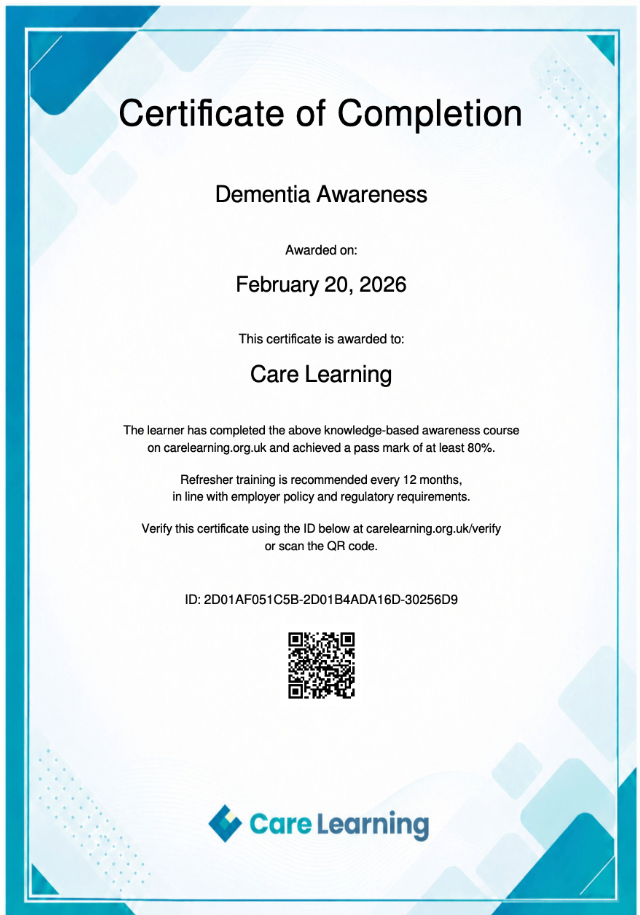
Yes. A certificate is issued after successful completion.
Safeguarding awareness helps volunteers respond appropriately when concerns arise while maintaining clear boundaries and leaving formal safeguarding decisions to those with the relevant responsibilities. This course provides a practical foundation for recognising concerns, listening appropriately, reporting promptly and supporting safer volunteering environments.
Enrol now to build your understanding of safeguarding awareness for volunteers.