
This gender-based violence awareness course is designed for health and social care workers who may encounter signs of abuse, receive a disclosure or support someone affected by gender-based harm. It develops a clear understanding of gender-based violence, violence against women and girls, unequal power, professional responsibilities and safe responses.
This free course covers common forms and indicators of abuse, intersectional barriers, coercive control, technology-facilitated abuse, trauma-informed practice, confidentiality, safeguarding, referrals and multi-agency working. It also explains how professionals can support prevention, inclusive services and their own wellbeing while remaining within the limits of their role.
Why Take This eLearning Course?
Gender-based violence can affect people of different ages, identities and backgrounds across relationships, families, workplaces, care arrangements and community settings. This course supports workers to recognise possible concerns, respond respectfully and take proportionate action through approved safeguarding and referral procedures.
This course will help you to:
- Understand gender-based violence and violence against women and girls.
- Recognise different forms of physical, sexual, psychological and economic harm.
- Identify possible indicators without making assumptions or unsupported conclusions.
- Understand how inequality, power and harmful social norms can contribute to abuse.
- Respond calmly and appropriately when someone shares an experience of harm.
- Consider communication, accessibility and digital safety needs.
- Make safer decisions about confidentiality, consent and information sharing.
- Know when urgent help, safeguarding action or specialist referral may be required.
- Work more effectively with statutory agencies and specialist support organisations.
- Maintain professional boundaries and access appropriate staff support.
Learning Outcomes
By the end of this course, you will be able to:
- Define gender-based violence and explain its relationship with VAWG.
- Describe the main forms of gender-related harm and who may be affected.
- Explain how inequality, controlling behaviour and intersectional factors can influence risk.
- Identify common indicators across health, social care and other workplace settings.
- Recognise concerns associated with coercive control, digital abuse, FGM, forced marriage and trafficking.
- Apply trauma-informed principles when communicating with someone affected by abuse.
- Receive a disclosure using safe, respectful and non-judgemental communication.
- Outline appropriate immediate safety, safeguarding and referral steps.
- Explain professional responsibilities relating to confidentiality, consent, recording and information sharing.
- Describe how coordinated services, inclusive practice and prevention can improve support.
Gender-Based Violence Awareness Course Outline
The course is organised into six modules, progressing from essential definitions and policy frameworks to recognition, safe responses, professional responsibilities and coordinated prevention.
Module 1: Understanding Gender-Based Violence and VAWG
Learners will define gender-based violence and violence against women and girls, examine their similarities and differences, and explore physical, sexual, psychological and economic forms of harm. The module considers domestic abuse, stalking, forced marriage, so-called honour-based abuse, sexual violence, FGM, trafficking, exploitation and technology-facilitated abuse. It explains how women and girls are disproportionately affected while recognising that men, boys, transgender people, non-binary people and people with diverse gender identities may also experience harm. Learners will also consider the range of settings and relationships in which abuse can occur, alongside the direction provided by UK policy, the Istanbul Convention, local safeguarding arrangements and organisational procedures.
Module 2: Inequality, Intersectionality and Access to Support
Learners will examine how harmful gender expectations, stereotypes, entitlement and unequal power can create conditions in which controlling behaviour is normalised or excused. The module explores how racism, disability, poverty, housing insecurity, age, sexuality, gender identity, migration status, language barriers and geographical isolation may affect exposure to harm and access to support. It also considers common barriers to disclosure, including fear, dependence, stigma, previous discrimination and concern about professional responses. Learners will review equality duties under the Equality Act 2010, the Public Sector Equality Duty and the role of health inequalities approaches such as Core20PLUS5, while recognising that these frameworks do not replace safeguarding procedures or specialist risk assessment.
Module 3: Recognising Indicators, Patterns and Possible Impacts
Learners will identify possible physical, emotional, behavioural, financial and attendance-related indicators of gender-based violence across workplace settings. The module explores coercive control as an ongoing pattern of intimidation, isolation, humiliation, surveillance and restricted freedom, together with the ways technology may be used to monitor accounts, locations, communications and devices. Learners will consider specialist concerns linked to FGM, forced marriage and trafficking, including the importance of private communication, early safeguarding advice and avoiding contact with relatives or suspected perpetrators. The module also examines possible effects on adults and children while emphasising factual observation, professional competence and the need to avoid unsupported diagnosis or assumptions.
Module 4: Trauma-Informed Communication and Immediate Support
Learners will explore the six trauma-informed principles of safety, trust, choice, collaboration, empowerment and cultural consideration. The module clarifies the boundaries of trauma-informed practice and explains why workers should not pressure people to discuss traumatic experiences or attempt to provide specialist treatment outside their role. Learners will develop an approach to receiving disclosures that prioritises privacy, calm listening, acknowledgement, respectful language and limited questioning. Communication preferences, approved interpreters, disability access, reasonable adjustments, private conversations and safe contact methods are also addressed. The module concludes with immediate safety checks, emergency healthcare considerations, safeguarding action and access to specialist gender-based violence support.
Module 5: Professional Responsibilities, Confidentiality and Escalation
Learners will examine their responsibility to notice concerns, respond safely, make factual records and follow authorised safeguarding or referral procedures. The module explains the limits of frontline roles, including why most workers should not investigate allegations, collect evidence, contact suspected perpetrators or provide legal, immigration or clinical advice beyond their competence. Learners will consider how to explain confidentiality, seek safe and informed consent, share proportionate information through secure channels and record the reasons for decisions. A clear escalation sequence covers immediate danger, urgent healthcare, safeguarding concerns, consultation with authorised leads, profession-specific reporting duties and specialist referrals. The module also identifies victim-blaming, forced decisions, excessive questioning, unsafe communication, inappropriate sharing and false promises as responses that may increase risk.
Module 6: Multi-Agency Support, Prevention and Staff Wellbeing
Learners will explore the different contributions made by frontline services, statutory agencies, safeguarding partnerships, specialist gender-based violence organisations and by-and-for services. The module explains how supported referrals, clear handovers and authorised information sharing can improve continuity while reducing the need for people to repeat their experiences. Learners will also consider prevention through challenging sexism and victim-blaming, promoting consent and healthy relationships, improving online safety, removing access barriers and involving communities and people with lived experience. The final section addresses supervision, structured debriefing, employee wellbeing, vicarious trauma, reflective practice and the importance of maintaining sustainable professional boundaries.
Target Audience
This course is suitable for:
- Health and social care workers.
- Care workers, support workers and personal assistants.
- Nurses, allied health professionals and clinical support staff.
- Social workers, housing staff and safeguarding practitioners.
- Managers, supervisors and designated safeguarding leads.
- Staff and volunteers who may receive disclosures or identify possible concerns.
No previous specialist knowledge is required.
FAQ
Who is this course suitable for?
The course is suitable for health and social care workers, safeguarding staff, housing professionals, managers, volunteers and others who may encounter possible gender-based violence during their work.
Do I need any previous experience?
No previous specialist experience is needed. The course introduces the subject clearly and provides practical guidance for people working in frontline, support or supervisory roles.
What will I learn on this gender-based violence awareness course?
You will learn about the main forms of gender-based violence, possible indicators, barriers to disclosure, trauma-informed communication, immediate safety, confidentiality, safeguarding, referral pathways and coordinated support.
Will this course help with day-to-day practice?
Yes. It will help you recognise possible concerns, respond more safely to disclosures, record information factually and follow the appropriate workplace procedures without acting beyond your role.
Does the course cover practical skills?
The course covers practical communication, safe enquiry, accessibility, digital safety, immediate response, information sharing and referral considerations. It does not train learners to investigate allegations or provide specialist trauma treatment.
Does it cover relevant responsibilities and good practice?
Yes. The course addresses safeguarding, professional boundaries, confidentiality, consent, secure information sharing, accurate recording, equality duties and the need to follow current organisational and local procedures.
Is the course relevant outside England?
The content is England-focused and refers to relevant UK frameworks. Learners working elsewhere should follow the legislation, safeguarding arrangements and professional procedures that apply in their nation.
How long does the course take?
The course is self-paced and usually takes around 1 hour to complete.
Will I receive a certificate?
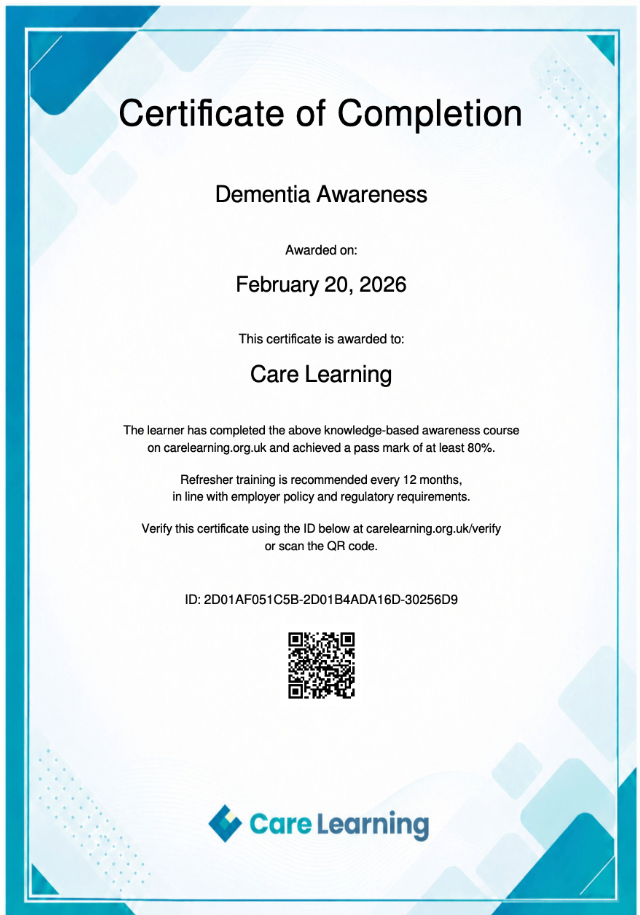
Yes. A certificate is issued after successful completion.
This course provides a structured introduction to recognising and responding to gender-based violence in health and social care settings. It supports respectful, inclusive and person-led practice while reinforcing the importance of safeguarding procedures, specialist advice and clear professional boundaries.
Enrol now to build your understanding of gender-based violence awareness.