
This Post-Separation Abuse Awareness course is designed for professionals who may encounter domestic abuse through support, safeguarding, housing, legal or multi-agency work. It explains how abuse can continue, change or begin after an intimate relationship ends, and why separation can sometimes be associated with increased or changing risk.
This free course explores common forms of post-separation abuse, including stalking, harassment, economic abuse, technology-facilitated behaviour, interference involving children and parenting arrangements, and misuse of legal or court processes. Learners will also consider professional responsibilities, safe responses to disclosure, risk identification, referrals, information sharing, recording and the different legal and practice frameworks operating across the UK.
Why Take This eLearning Course?
Post-separation abuse can involve connected behaviours that may appear minor when considered individually but form a serious pattern of control, intimidation or interference over time. This course supports professionals to recognise those patterns, respond appropriately within their role and make safer, more informed decisions when risk or circumstances change.
This course will help you to:
- Recognise how abuse may continue or develop after separation.
- Understand why separation can be associated with increased or changing risk.
- Identify stalking, harassment, economic abuse and technology-facilitated behaviour.
- Recognise how children and parenting arrangements may become part of an abusive pattern.
- Respond more safely and sensitively when someone discloses abuse.
- Use appropriate communication methods where contact or devices may be monitored.
- Understand professional boundaries and know when specialist advice is required.
- Make safer referrals using appropriate local and multi-agency pathways.
- Record concerns clearly and distinguish reported information from professional observations.
- Apply greater awareness of UK legal, safeguarding and practice responsibilities.
Learning Outcomes
By the end of this course, you will be able to:
- Define post-separation abuse and describe how patterns of power and control may continue after a relationship ends.
- Explain why separation or attempted separation may affect the level and nature of risk.
- Identify common forms of post-separation abuse and their potential impact.
- Describe how children, finances, housing and court processes may be used within a wider pattern of abuse.
- Explain the responsibilities and limits of professionals working in domestic abuse, legal, housing and social care settings.
- Demonstrate the principles of a safe, person-centred response to disclosure.
- Identify appropriate approaches to risk assessment, including the role and limitations of the DASH Risk Checklist.
- Describe suitable referral, safeguarding and multi-agency routes.
- Record and share information safely, accurately and proportionately.
- Identify relevant guidance, specialist services and practical resources for continuing professional practice.
Post-Separation Abuse Awareness Course Outline
Module 1: Understanding Post-Separation Abuse and Risk
Learners will explore what post-separation abuse means and how abusive behaviour may continue, change or begin after an intimate relationship has ended. The module examines patterns of power and control, physical and non-physical forms of abuse and the reasons separation can sometimes lead to escalating contact, threats, stalking or violence. Learners will consider how people of different backgrounds and identities may be affected, including the impact on children and the additional barriers some people face when seeking support. The module also introduces the legal and practice context across England and Wales, Wales-specific frameworks, Scotland and Northern Ireland, highlighting the importance of following legislation and procedures appropriate to the practitioner’s location and role.
Module 2: Recognising Forms and Patterns of Post-Separation Abuse
Learners will examine common forms of post-separation abuse, including repeated unwanted contact, stalking, surveillance, technology-facilitated behaviour, third-party involvement, interference with finances, housing, employment and personal relationships, threats, property damage and violence. The module considers how children and parenting arrangements may be used to pass messages, obtain information, create pressure or maintain contact, while keeping the child’s own safety, wellbeing and views in focus. Learners will also explore economic abuse involving shared finances, maintenance, debts, assets and employment, alongside the potential misuse of court proceedings or child arrangement processes. The distinction between genuine legal disputes and abusive patterns of court use is emphasised throughout.
Module 3: Professional Roles, Responsibilities and Boundaries
Learners will consider the responsibilities of domestic abuse workers, including listening carefully, reviewing changing risk, carrying out authorised safety work, providing advocacy and connecting people with appropriate services. The module also addresses responsibilities within family court and legal settings, including accurate recognition and recording of concerns while avoiding legal conclusions beyond the professional’s competence. Housing and social care responsibilities are explored through accommodation safety, safeguarding, secure communication and referral arrangements. Learners will also examine professional boundaries, including when to seek advice, refer to specialists or avoid actions such as inappropriate investigation, mediation or legal advice.
Module 4: Safe, Inclusive and Person-Centred Responses
Learners will explore how to respond safely when someone discloses post-separation abuse, including creating a private setting where possible, checking whether it is safe to continue and listening without blame or unnecessary pressure. The module covers safe communication practices where telephones, emails, devices or correspondence may be monitored, as well as accessible communication and the use of independent interpreters where required. Learners will consider person-centred support, informed choice and the importance of explaining options transparently while meeting safeguarding and legal responsibilities. Inclusive support is also explored, including barriers that may affect male victims, LGBT+ people, disabled people, older people, migrants, minoritised communities and people experiencing financial or housing insecurity.
Module 5: Immediate Action, Risk Assessment and Referral
Learners will identify situations where immediate or urgent action may be required, including immediate danger, credible threats, escalating violence, stalking and safeguarding concerns involving children or adults with care and support needs. The module explains the purpose of the DASH Risk Checklist and locally approved risk processes, emphasising appropriate training, professional judgement and the person’s own assessment of danger. Learners will examine referral and multi-agency pathways involving emergency services, safeguarding teams, domestic abuse advocacy, housing, legal support, stalking services, economic abuse support and MARAC where appropriate. Safe referral practice is covered in detail, including consent, lawful information sharing, safe contact details, warm referrals and accurate documentation.
Module 6: Recording, Information Sharing and Professional Resources
Learners will examine how to create factual, timely and useful records that distinguish a person’s reported account from professional observations and clearly document decisions, referrals and safety arrangements. The module explains how information should be shared lawfully, proportionately and for a clear purpose while taking account of consent, safeguarding responsibilities, data protection and organisational policy. Secure handling of sensitive information and safe contact details is also considered. The course concludes by identifying current national guidance, court guidance, DASH resources, domestic abuse helplines, stalking support and economic abuse resources, reinforcing the need to check local safeguarding, housing, domestic abuse and MARAC pathways and keep practice aligned with current requirements.
Target Audience
This course is suitable for:
- Health and social care professionals who may encounter domestic abuse or safeguarding concerns.
- Domestic abuse support workers and advocates.
- Housing, homelessness and community support practitioners.
- Safeguarding professionals and staff working with adults, children or families.
- Professionals whose work may involve family court, legal or multi-agency processes.
- Managers, supervisors and other staff responsible for responding to disclosures or coordinating support.
No previous specialist knowledge is required.
FAQ
Who is this course suitable for?
The course is suitable for professionals who may encounter post-separation abuse through health and social care, domestic abuse services, safeguarding, housing, family support, legal settings or multi-agency work. It is particularly useful for staff who need to recognise changing patterns of abuse and respond within clear professional boundaries.
Do I need any previous experience?
No previous specialist knowledge of post-separation abuse is required. The course introduces the key concepts, risks, professional responsibilities and response principles in a clear and practical way.
What will I learn on this post-separation abuse course?
You will learn how post-separation abuse may present, why risk can change following separation and how behaviours involving stalking, finances, technology, children, housing and court processes may form part of a wider pattern. You will also learn about safe responses, risk processes, referrals, recording, information sharing and relevant UK practice frameworks.
Will this course help with day-to-day practice?
Yes. The course focuses on recognising indicators, responding to disclosures, reviewing changing risk, communicating safely, making appropriate referrals and keeping accurate records. It also reinforces when professionals should seek advice or refer matters to people with specialist authority or expertise.
Does the course cover practical skills?
The course covers practical professional approaches such as identifying patterns of concern, responding safely to disclosures, checking safe communication methods, considering risk, making referrals and recording information accurately. It does not replace role-specific practical training, specialist domestic abuse training or legal advice.
Does the course cover legal, safeguarding and professional responsibilities?
Yes. The course introduces relevant domestic abuse legislation and practice frameworks across the UK, including important differences between England and Wales, Scotland and Northern Ireland. It also covers safeguarding, family court considerations, housing responsibilities, information sharing and professional boundaries. Practitioners should always follow the legislation, guidance and local procedures applying to their role and location.
Does the course explain how children may be affected by post-separation abuse?
Yes. The course considers how children may experience the effects of domestic abuse directly and how parenting or contact arrangements may sometimes be used to maintain pressure, gather information or create repeated contact. It also emphasises the importance of considering each child’s own safety, wellbeing and views.
Does the course cover the DASH Risk Checklist?
Yes. Learners are introduced to the purpose of the DASH Risk Checklist and the role it can play in structured risk identification. The course also explains that DASH or another local process should only be used where it falls within the practitioner’s role and training, and that a checklist should not replace professional judgement or delay emergency action.
How long does the course take?
The course is self-paced and usually takes around 1 hour to complete.
Will I receive a certificate?
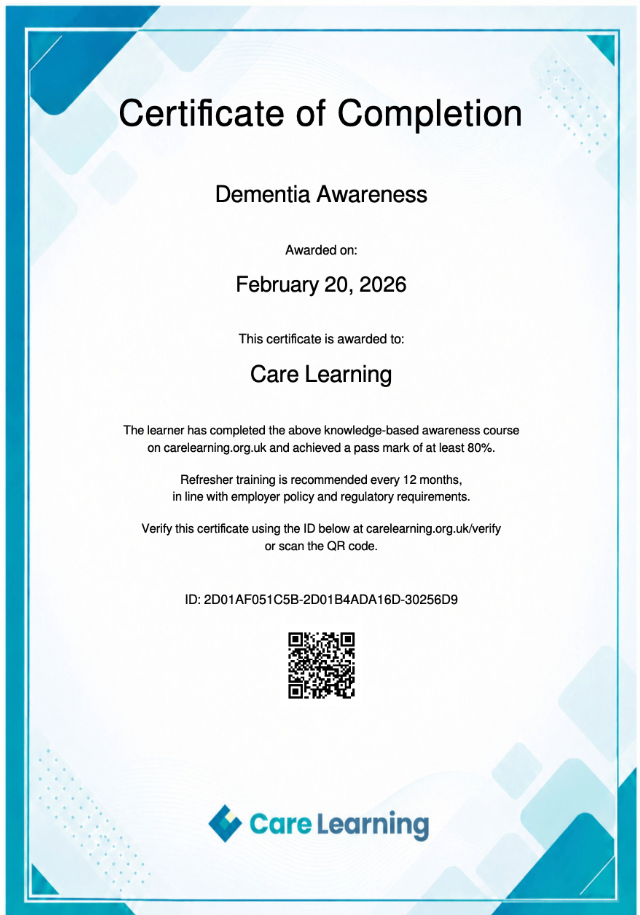
Yes. A certificate is issued after successful completion.
Post-separation abuse can involve complex and changing patterns that affect safety, family life, finances, housing and access to services. This course provides professionals with a structured understanding of those patterns and supports safe, person-centred and role-appropriate responses based on current responsibilities and local procedures.
Enrol now to build your understanding of post-separation abuse.