
This Absence Management in Health and Social Care course is designed for managers, team leaders, HR staff and senior colleagues who support sickness absence processes in care settings. It explains how to handle absence fairly, sensitively and consistently while maintaining safe staffing, service continuity and employee wellbeing.
This free course covers short-term and long-term sickness absence, reporting procedures, absence records, trigger points, fit notes, Statutory Sick Pay, return-to-work interviews, occupational health referrals, phased returns, reasonable adjustments and equality considerations across the UK.
Why Take This eLearning Course?
Effective absence management helps organisations support staff while protecting safe, reliable care delivery. This course gives learners a clear understanding of good practice, practical processes and sensitive decision-making when sickness absence affects the workplace.
This course will help you to:
- Understand what absence management means in a workplace setting
- Apply clear and consistent absence reporting procedures
- Recognise the impact of absence on staffing, workload and care continuity
- Use absence records appropriately and confidentially
- Understand trigger points, review points and the Bradford Factor
- Interpret fit notes and consider suitable return-to-work support
- Plan respectful return-to-work interviews
- Know when occupational health advice may be useful
- Support phased returns and workplace adjustments
- Manage long-term absence with fairness and sensitivity
Learning Outcomes
By the end of this course, you will be able to:
- Define absence management and explain its purpose
- Describe the roles of HR, managers and team leaders
- Distinguish between short-term and long-term sickness absence
- Outline key steps in absence reporting and recording
- Explain how absence trigger points and the Bradford Factor should be used
- Identify when a fit note is needed and what it may advise
- Describe current SSP considerations covered in the course
- Plan and record effective return-to-work discussions
- Explain when and how occupational health referrals may support decisions
- Identify equality considerations, including disability, pregnancy and mental health absence
Absence Management in Health and Social Care Course Outline
Module 1: Understanding Absence Management
Learners will explore what absence management means and why it matters in health and social care workplaces. This module explains the importance of clear reporting, accurate records, supportive contact, fair review and safe staffing plans. It also covers the shared roles of HR, managers and team leaders, the difference between short-term and long-term sickness absence, and the practical impact of absence on cover, service continuity and workload balance.
Module 2: Reporting, Recording and Reviewing Absence
Learners will examine how absence reporting procedures should work in practice, including early reporting, relevant absence details, agreed contact, confidential records and next-step planning. This module also explains common absence records, including dates, reason categories, fit notes, support actions and meeting outcomes. Learners will consider how trigger points, review points and the Bradford Factor can support fair review when used with judgement, evidence and equality checks.
Module 3: Fit Notes and Statutory Sick Pay
Learners will develop an understanding of fit notes, including their purpose, when they are usually needed and the difference between “not fit for work” and “may be fit for work”. This module also explains how fit note advice may support altered hours, amended duties, workplace adaptations or phased returns. Learners will review key SSP points from the course, including eligibility, absence dates, evidence after seven calendar days and the need to check current rates and rules before making decisions.
Module 4: Return-to-Work Interviews
Learners will consider the purpose and value of return-to-work interviews after sickness absence. This module explains how these conversations can confirm fitness, identify support needs, explore work-related causes and agree safe next steps. It also covers suitable questions to ask, how to keep the discussion respectful and work-focused, how to record the meeting clearly, and what outcomes may follow, including no further action, adjusted duties, occupational health referral or absence review.
Module 5: Occupational Health and Phased Returns
Learners will explore the role of occupational health in giving work-focused advice about fitness, adjustments, risks and possible return options. This module explains when a referral may be helpful, how to prepare clear referral questions, and why consent and confidentiality are central to the process. Learners will also examine phased returns, including reduced hours, adjusted duties and workplace adaptations, and how these plans should be agreed, recorded and reviewed.
Module 6: Managing Long-Term Sickness Absence
Learners will examine how long-term sickness absence should be managed through planned, supportive and evidence-based processes. This module explains how employers can maintain sensitive contact, arrange review meetings, consider medical evidence and explore return options. It also covers fair capability decision-making where an employee may be unable to return to their role, including the need to consider adjustments, redeployment, further advice and alternatives before final decisions are made.
Module 7: Equality, Sensitive Absence and UK Differences
Learners will develop awareness of equality considerations in absence management, including the definition of disability under the Equality Act 2010 in England, Scotland and Wales. This module explains reasonable adjustments, including changes to duties, hours, equipment, location and absence triggers. It also covers sensitive absence types such as disability-related absence, pregnancy-related sickness and mental health absence, as well as key UK nation differences and the need for careful policy application.
Target Audience
This course is suitable for:
- Care managers and deputy managers
- Team leaders and supervisors in health and social care settings
- HR staff supporting absence processes
- Senior care workers with staff support responsibilities
- Service managers responsible for safe staffing and workforce planning
- Employers who want consistent absence management practice
No previous specialist knowledge is required.
FAQ
Who is this course suitable for?
This course is suitable for managers, HR staff, team leaders and senior colleagues who are involved in managing or supporting sickness absence in health and social care workplaces.
Do I need any previous experience?
No. The course is suitable for learners who are new to absence management, as well as those who want to refresh their understanding of fair and consistent practice.
What will I learn on this absence management course?
You will learn how absence management works, how to record and review sickness absence, how fit notes and SSP fit into the process, and how return-to-work meetings, occupational health referrals and reasonable adjustments can support fair decisions.
Will this course help with day-to-day practice?
Yes. The course focuses on practical workplace situations, including absence reporting, safe cover planning, workload pressure, supportive contact, return-to-work discussions and long-term absence review.
Does the course cover practical skills?
Yes. It covers practical skills such as asking appropriate return-to-work questions, recording meetings, preparing occupational health referrals, considering phased returns and using trigger points with care.
Does it cover relevant responsibilities or good practice?
Yes. The course includes good practice around confidentiality, fair treatment, equality checks, disability-related absence, pregnancy-related sickness, mental health absence and UK nation differences where relevant.
How long does the course take?
The course is self-paced and usually takes around 1 hour to complete.
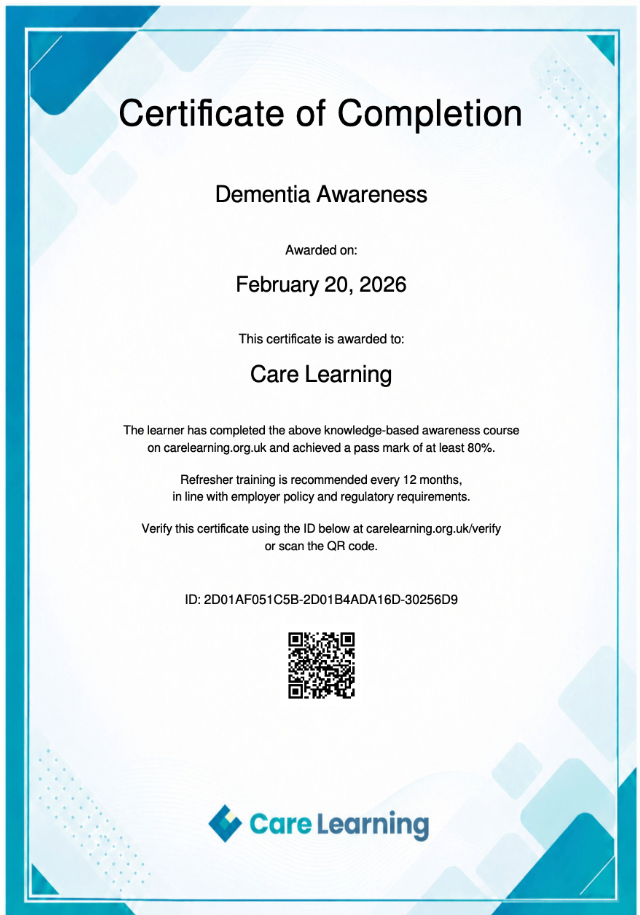
Will I receive a certificate?
Yes. A certificate is issued after successful completion.
Absence management can affect staff wellbeing, service reliability and care quality. This course gives learners a clear, practical foundation for managing sickness absence in a fair, supportive and well-recorded way.
Enrol now to build your understanding of absence management.