
The Feedback Skills for Managers course is designed for managers, supervisors and team leaders who need to give, receive and encourage effective workplace feedback. With a particular focus on health and social care settings, it supports managers to communicate clearly, address development needs fairly and create constructive conversations about performance.
This free course explores workplace and developmental feedback, recognition, performance conversations, practical feedback structures, inclusive communication and psychological safety. It also considers defensive responses, upward and peer feedback, formal performance and conduct processes, and when managers should seek HR, senior management or specialist advice.
Watch the course trailer

Captions are available in the player (CC). The video plays from YouTube, which only loads when you press play.
Why Take This eLearning Course?
Feedback is an important part of everyday management, but its value depends on how conversations are prepared, communicated and followed up. This course helps managers combine clarity with respectful listening so that employees understand expectations, can contribute their perspective and know what should happen next.
This course will help you to:
- Give feedback that is clear, specific and based on relevant evidence.
- Distinguish everyday developmental feedback from formal performance reviews.
- Recognise effective work while addressing areas that genuinely need improvement.
- Prepare for difficult or sensitive feedback conversations.
- Use practical structures to keep conversations focused and constructive.
- Make feedback a meaningful two-way discussion.
- Respond calmly when an employee becomes defensive or disagrees.
- Adapt communication to individual needs without lowering legitimate standards.
- Encourage psychological safety, upward feedback and open team communication.
- Recognise when concerns require formal procedures, escalation or specialist advice.
Learning Outcomes
By the end of this course, you will be able to:
- Define workplace and developmental feedback and explain their purpose.
- Explain how feedback quality, timing and frequency can influence its effectiveness.
- Distinguish ongoing feedback from structured performance appraisal.
- Identify the responsibilities of managers and employees during feedback conversations.
- Describe the main features of useful, evidence-based feedback.
- Apply a structured approach to developmental and two-way feedback conversations.
- Explain how individual communication needs and psychological safety affect feedback.
- Respond appropriately to defensive reactions, disagreement and different perspectives.
- Distinguish routine feedback from capability, conduct and other formal processes.
- Identify when employment, equality, safeguarding or safety concerns should be escalated.
Feedback Skills for Managers Course Outline
The course is organised into six modules, progressing from the foundations of workplace feedback through practical conversation skills, inclusive management, psychological safety and the boundaries between routine feedback and formal organisational procedures.
Module 1: Understanding Workplace and Developmental Feedback
Learners will explore what workplace and developmental feedback mean and how feedback can support recognition, learning and future improvement. The module examines what evidence says about the relationship between feedback and performance, including the importance of quality, timing and frequency. Learners will distinguish ongoing feedback from formal appraisal and consider how the two approaches contribute to continuous performance management. It also explains the respective responsibilities of managers and employees, including preparing evidence, listening, asking questions, sharing context and agreeing realistic next steps.
Module 2: Giving Useful and Balanced Feedback
Learners will examine the features of useful feedback, including observable evidence, clear links to role expectations, appropriate timing, respectful communication and a focus on future action. The module explains how to provide specific recognition while remaining clear about genuine improvement needs, without relying on formulaic approaches to balancing praise and criticism. Learners will also be introduced to Radical Candor as one model for considering care and direct challenge. Common mistakes are explored, including vague or personal feedback, unsupported assumptions, delayed conversations, emotional delivery, excessive concerns and applying feedback models too mechanically.
Module 3: Preparing for and Structuring Feedback Conversations
Learners will develop a practical approach to preparing for feedback by clarifying the purpose, checking facts, selecting relevant examples, choosing a suitable private setting and considering appropriate support. The module introduces a simple developmental feedback structure based on evidence, impact, employee perspective and future action. Learners will also explore how to make conversations genuinely two-way through open questions, attentive listening, exploration of relevant context, checks for understanding and agreed next steps. The module concludes by considering how employees can receive feedback constructively without assuming that constructive participation requires automatic agreement.
Module 4: Managing Reactions and Giving Feedback Inclusively
Learners will consider common defensive responses to feedback, including disagreement, justification, withdrawal, anger, embarrassment and counter-criticism. They will explore how managers can respond calmly, return to available evidence and allow appropriate time for discussion without abandoning legitimate concerns. The module also examines how culture, communication preferences, disability, neurodivergence, workplace experience and individual circumstances may influence feedback conversations. Learners will consider consistent standards, bias, reasonable communication adaptations and relevant Equality Act 2010 considerations, as well as circumstances where workplace adjustments or additional communication support may be appropriate.
Module 5: Psychological Safety and Healthy Feedback Cultures
Learners will explore psychological safety and its relationship with speaking up, asking questions, acknowledging mistakes and contributing different perspectives. The module makes clear that psychological safety can exist alongside demanding standards, accountability and appropriate management challenge. Learners will consider practical manager behaviours that encourage participation, attentive listening and professional humility. They will also examine how managers can encourage upward and peer feedback by permitting respectful disagreement, responding constructively and demonstrating that contributions are considered. The module concludes with practical approaches to establishing healthy team feedback habits through clear expectations, regular check-ins, genuine recognition, timely discussion of concerns and periodic review.
Module 6: Formal Processes, Escalation and Safer Feedback Practice
Learners will distinguish routine developmental feedback from formal capability, performance and conduct processes and understand why informal conversations should not be used to bypass required procedures. The module identifies circumstances where HR, senior management or specialist advice may be necessary, including repeated performance concerns, formal action, grievances, discrimination, harassment, disability and reasonable adjustments. It also covers the need to escalate safeguarding, whistleblowing and serious safety concerns through appropriate routes. Learners will develop awareness of relevant employment-law boundaries, including the Employment Rights Act 1996, Equality Act 2010, changes being implemented under the Employment Rights Act 2025 and the different legal framework applying in Northern Ireland. The course concludes by bringing preparation, evidence, respectful discussion, appropriate adaptation, agreed action, follow-up and timely escalation together into a safer approach to feedback.
Target Audience
This course is suitable for:
- Managers and supervisors in health and social care services.
- Team leaders with responsibility for staff performance or development.
- New managers developing confidence in workplace conversations.
- Experienced managers who want to strengthen their feedback approach.
- Service managers responsible for building open and accountable team cultures.
- Staff preparing to take on supervisory or people-management responsibilities.
No previous specialist knowledge is required.
FAQ
Who is this course suitable for?
The course is suitable for managers, supervisors and team leaders who give feedback as part of their role. It is particularly relevant to people managing staff in health and social care, although many of the feedback principles can also support wider workplace management.
Do I need any previous experience?
No. The course introduces the principles and practical skills clearly, making it suitable for new managers as well as experienced managers who want to review or improve their approach.
What will I learn on the Feedback Skills for Managers course?
You will learn how to prepare for feedback conversations, use evidence effectively, recognise good work, communicate improvement needs, encourage two-way discussion, manage defensive reactions and support fair and inclusive participation.
Will this course help with day-to-day practice?
Yes. The course focuses on everyday management situations such as check-ins, supervision, developmental conversations, recognition, performance discussions and agreeing practical next steps with employees.
Does the course cover practical skills?
Yes. It covers practical approaches to preparing conversations, selecting examples, explaining evidence and impact, asking open questions, listening to an employee’s perspective, checking understanding and agreeing appropriate actions and follow-up.
Does it cover relevant management responsibilities and good practice?
Yes. The course considers fair decision-making, inclusive communication, reasonable adjustments, organisational procedures and the boundaries between everyday feedback and formal employment processes. It also explains when safeguarding, safety, whistleblowing or specialist employment concerns may need to be escalated through another route.
Does psychological safety mean managers should avoid challenging poor performance?
No. Psychological safety does not remove accountability or performance expectations. Managers can challenge work or behaviour while still giving employees an appropriate opportunity to ask questions, explain relevant circumstances and contribute their perspective.
What should a manager do if a feedback issue may need formal action?
Managers should follow their organisation’s procedures and seek appropriate HR, senior management or specialist advice where necessary. Routine developmental feedback should not be used as a substitute for a required capability, conduct, safeguarding or other formal process.
How long does the course take?
The course is self-paced and usually takes around 1 hour to complete.
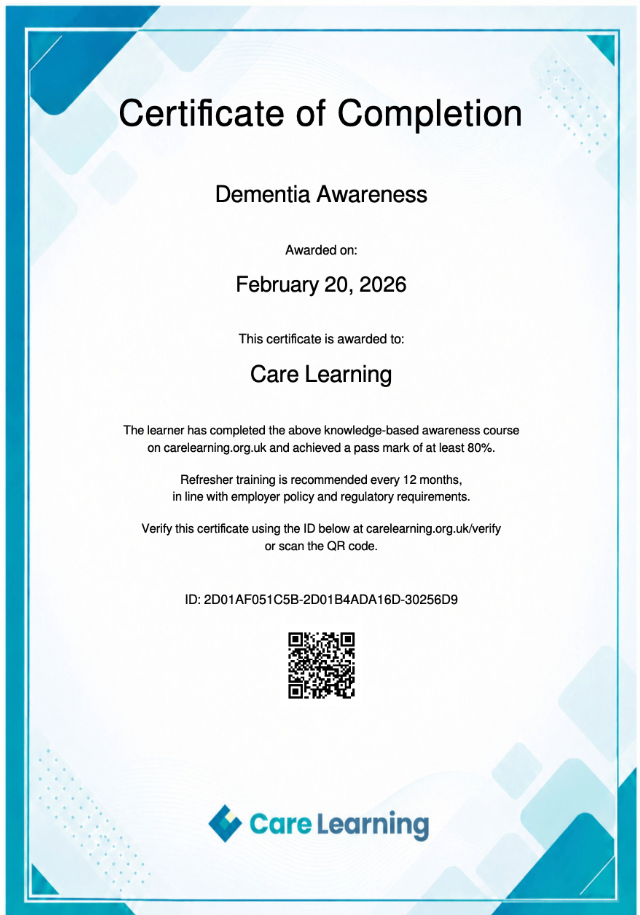
Will I receive a certificate?
Yes. A certificate is issued after successful completion.
Effective feedback is an important management skill that supports clearer expectations, learning and accountable workplace relationships. This course provides managers with a structured approach for preparing, delivering and receiving feedback while recognising individual needs, organisational responsibilities and the limits of informal conversations.
Enrol now to build your understanding of effective feedback skills for managers.