This online course explains how to prepare clear, accurate and inclusive job descriptions and person specifications. It is designed for managers, recruiters, HR staff and others involved in recruitment or workforce planning, particularly within health and social care organisations.
This free course covers the purpose of recruitment documents, role responsibilities, selection criteria, equality considerations, fair assessment and document review. Learners will also explore how job descriptions support induction, performance conversations, organisational change and NHS Agenda for Change job evaluation processes.
Why Take This eLearning Course?
Clear recruitment documents help applicants understand a vacancy and allow employers to make fair, consistent and evidence-based decisions. This course supports responsible job design while helping organisations avoid unclear duties, unnecessary requirements and potentially discriminatory wording.
This course will help you to:
- Explain the different purposes of key recruitment and employment documents.
- Give applicants an accurate and realistic picture of a vacancy.
- Define responsibilities, reporting arrangements and decision-making authority.
- Write duties using clear, direct and proportionate language.
- Develop focused person specifications based on genuine role requirements.
- Recognise transferable skills and equivalent forms of evidence.
- Remove unnecessary criteria that may discourage suitable applicants.
- Use inclusive wording and identify potential equality concerns.
- Align job adverts, applications, interviews and scoring methods.
- Review and control job descriptions as roles and services change.
Learning Outcomes
By the end of this course, you will be able to:
- Distinguish between a job description, person specification, job advert, employment contract and written statement.
- Explain how accurate job descriptions support recruitment, retention and induction.
- Identify the problems caused by vague, outdated or excessively detailed documents.
- Draft an appropriate job title, role purpose and reporting structure.
- Describe responsibilities, outcomes, authority and working relationships clearly.
- Separate essential criteria from desirable criteria.
- Assess skills, knowledge, experience and equivalent evidence against role requirements.
- Recognise direct, indirect and language-based barriers within recruitment documents.
- Develop structured interview questions and scoring indicators from published criteria.
- Apply suitable review, consultation, version-control and approval processes.
Writing Effective Job Descriptions Course Outline
The course is organised into six modules covering the complete process of defining a role, preparing fair selection criteria and maintaining accurate recruitment documents.
Module 1: Understanding the Purpose of Job Descriptions
Learners will distinguish between job descriptions, person specifications, job adverts, employment contracts and written statements of employment particulars. The module explains how accurate documents support recruitment and retention by setting realistic expectations. It also examines their use during induction, supervision, performance conversations and role reviews, before considering the confusion, workload problems and candidate barriers that can result from vague, outdated or overly detailed descriptions.
Module 2: Writing Clear Roles and Responsibilities
Learners will explore how to establish a suitable job title, concise role purpose, reporting arrangements and organisational position. The module covers grouped responsibilities, action-based wording, expected outcomes, decision-making authority and internal or external working relationships. It also explains how to describe working patterns, travel, practical demands, professional requirements and safeguarding checks accurately, while balancing clarity with reasonable flexibility as roles develop.
Module 3: Developing a Fair Person Specification
Learners will examine how to separate essential criteria from desirable requirements and ensure each criterion is relevant, assessable and consistently applied. The module covers skills, knowledge, experience, qualifications, professional registration and licences, including when equivalent evidence may be accepted. Learners will consider transferable capability gained through employment, volunteering, education, caring responsibilities and informal development, and will learn how to remove duplicated, arbitrary or unnecessary must-have criteria without lowering genuine standards.
Module 4: Equality, Inclusion and Accessible Language
Learners will explore protected characteristics and the importance of applying the equality law relevant to the workplace. The module explains direct and indirect discrimination, gendered job titles, age-related wording, language requirements, occupational requirements and positive action. It also considers research into gender-coded language and anticipated workplace belonging. Practical checks are provided for using neutral titles, plain English, behaviour-based criteria, accessible information and appropriate human review of automated drafting tools.
Module 5: Connecting Documents with Fair Selection
Learners will examine how the job advert, application process, job description and person specification should present consistent information about the same vacancy. The module explains how to base shortlisting, structured interview questions, work-related assessments and scoring indicators on published criteria. It also covers candidate questions, recruitment adjustments, privacy and restrictions on pre-employment health enquiries. Learners will identify situations requiring HR or specialist advice, including equality concerns, contractual changes, professional status, safeguarding checks and NHS job evaluation implications.
Module 6: Reviewing, Using and Controlling Job Descriptions
Learners will consider how vacancies, restructures, technology, altered duties and new working arrangements can trigger a formal review. The module explains how job descriptions can be used constructively during induction and performance conversations without becoming rigid task checklists. It also covers document ownership, version numbers, approval and review dates, employee consultation, policy alignment, audit trails and possible contractual effects. The final section introduces the role evidence and partnership processes used within NHS Agenda for Change matching and evaluation.
Target Audience
This course is suitable for:
- Line managers responsible for creating or reviewing roles.
- HR, recruitment and workforce professionals.
- Registered managers and service managers.
- Team leaders involved in recruitment or induction.
- Staff participating in shortlisting or interview panels.
- NHS managers supporting role design or job evaluation processes.
No previous specialist knowledge is required.
FAQ
Who is this course suitable for?
The course is suitable for managers, HR staff, recruiters, team leaders and interview panel members who prepare, review or use job descriptions and person specifications. It is particularly relevant to UK health and social care organisations, although many of the principles also apply in other employment settings.
Do I need any previous experience?
No previous experience of HR or recruitment is required. The course introduces the documents, terminology and processes clearly, making it suitable for both new and experienced managers.
What will I learn on this job description course?
You will learn how to define a role, write clear responsibilities, create fair selection criteria, use inclusive language and connect published requirements with shortlisting and interviews. You will also learn how to review, approve and control documents when roles change.
Will this course help with day-to-day practice?
Yes. The course provides practical principles that can be applied when creating a new post, preparing recruitment documents, reviewing an existing role, inducting an employee or discussing responsibilities during supervision and performance reviews.
Does the course cover practical writing skills?
Yes. It explains how to use action words, group related duties, describe expected outcomes and present authority and working relationships clearly. It also shows how to avoid vague statements, excessive detail and unrestricted catch-all wording.
Does the course cover equality and inclusive recruitment?
Yes. The course examines protected characteristics, direct and indirect discrimination, gender-coded language and unnecessary selection barriers. It also explains when specialist HR or legal advice may be needed. The course supports awareness but does not replace organisation-specific professional advice.
Does the course explain NHS job evaluation considerations?
Yes. It introduces the importance of accurate role evidence and explains that trained partnership panels undertake Agenda for Change matching or evaluation. The person writing the job description should describe the role accurately rather than attempting to secure a particular pay band through wording.
How long does the course take?
The course is self-paced and usually takes around 1 hour to complete.
Will I receive a certificate?
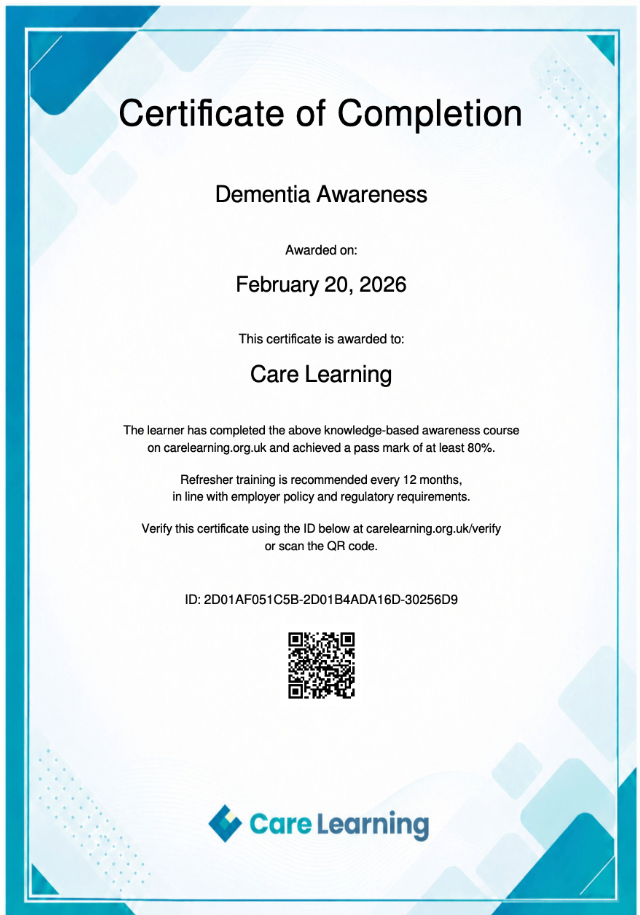
Yes. A certificate is issued after successful completion.
Clear and proportionate job descriptions support informed applications, fair assessment and better understanding throughout employment. This course provides a structured foundation for preparing documents that reflect the role accurately, promote inclusive recruitment and remain useful as organisational needs develop.
Enrol now to build your understanding of writing effective job descriptions.