
The Adaptability and Agility at Work Course is designed for people who need to respond constructively when circumstances, information, resources or priorities change. It is relevant across a range of workplace and service settings, including health and social care, housing and homelessness services, education, early years, youth work, charities, community organisations and public services.
This free course explains how to recognise what has changed, identify what must remain fixed and make proportionate adjustments without losing sight of the intended outcome. Learners will explore decision-making, role boundaries, assumptions, dependencies, risks, communication, accessibility, quality standards, reviewing results and learning from experience. Practical examples show how these principles can be applied across different sectors and workplace situations.
Watch the course trailer

Captions are available in the player (CC). The video plays from YouTube, which only loads when you press play.
Why Take This eLearning Course?
Workplace conditions do not always remain predictable. Effective adaptability involves more than simply being flexible: it requires sound judgement about what can change, what must remain protected and when support, approval or escalation is needed. This course provides a practical framework for responding to change while maintaining appropriate standards, responsibilities and professional boundaries.
This course will help you to:
- Respond more confidently when workplace circumstances or priorities change.
- Distinguish between flexible elements of a plan and requirements that must remain fixed.
- Focus effort on matters within your control or influence.
- Make proportionate adjustments based on reliable information and available resources.
- Recognise assumptions, dependencies and risks before changing an approach.
- Communicate revised plans and changing expectations clearly.
- Protect quality, safety, confidentiality and role boundaries during periods of change.
- Consider accessibility, inclusion and ethical effects when adapting arrangements.
- Review whether an adjustment has achieved its intended result.
- Learn constructively from unsuccessful changes and workplace experience.
Learning Outcomes
By the end of this course, you will be able to:
- Define adaptability and agility and explain how they support effective workplace responses.
- Explain the benefits and limitations of adaptability at work.
- Identify changed circumstances, fixed requirements and agreed boundaries.
- Distinguish between areas of control, influence and wider concern.
- Assess information, resources, authority, assumptions, dependencies and risks before adapting a plan.
- Apply a structured method to assess, adjust and review workplace arrangements.
- Evaluate the results and wider effects of an adjustment.
- Explain how quality, communication, accessibility, inclusion and ethical responsibilities should be maintained during change.
- Recognise when workload, competence, authority or safety concerns require support or escalation.
- Reflect on workplace changes and use learning to improve future responses.
Adaptability and Agility at Work Course Outline
The course is organised into six modules, progressing from the principles of adaptability and agility through practical decision-making, quality and boundaries, sector-based examples, troubleshooting and continued development.
Module 1: Understanding Adaptability and Agility
Learners will explore what adaptability and agility mean at work and how the two skills work together when circumstances change. The module explains how people can adjust behaviour, methods and plans while keeping the required outcome and agreed boundaries in view. Learners will also consider the benefits of flexible working approaches, including maintaining progress, supporting problem-solving and learning with colleagues. Importantly, the module establishes the limits of adaptability, including requirements relating to safety, quality, confidentiality, accountability, workload, competence, delegated authority and decisions that must remain with appropriately authorised people.
Module 2: Assessing Change Before Taking Action
Learners will develop a structured approach to understanding a workplace change before deciding how to respond. They will distinguish changed circumstances from fixed requirements and agreed boundaries, then consider which aspects of a situation are within their control, which they may be able to influence and which remain wider concerns. The module examines the conditions needed for effective adaptation, including clear outcomes, useful information, realistic time and resources, appropriate authority, accessible communication and suitable ways of tracking changes. Learners will also identify assumptions, dependencies and risks that should be checked before a plan is revised.
Module 3: Adjusting Plans and Learning from Results
Learners will apply a practical process of noticing, assessing, adjusting and reviewing change. They will explore how to update tasks, timing and resources while protecting the original purpose, essential standards and agreed constraints. The module also considers when small, manageable adjustments can be tested to gather useful information before wider changes are made. Learners will then examine how to compare results with the intended outcome, identify unexpected effects and decide whether an adjustment should be kept, revised or stopped.
Module 4: Protecting Quality, Inclusion and Workplace Boundaries
Learners will consider the standards and responsibilities that continue to apply when work changes. This includes maintaining safety, confidentiality, accuracy and appropriate service or professional standards rather than allowing changing circumstances to justify reduced quality. The module explains how to communicate changed assumptions and dependencies so that colleagues and others are working from accurate information. Learners will also consider accessibility, inclusion, participation, decision-making influence, fair assumptions, privacy, dignity and reasonable workplace adjustments. The module concludes by examining authority, competence, workload and safety boundaries and identifying situations where supervision, management support, specialist advice or escalation may be required.
Module 5: Applying Adaptability Across Workplace Settings
Learners will explore realistic examples of adaptability in different service environments. In health and social care, the course considers changing priorities while remaining consistent with agreed care or support arrangements and delegated responsibilities. In housing and homelessness services, learners will examine how appointments can be reorganised when immediate circumstances change without exceeding service or professional boundaries. Education, early years and youth work examples demonstrate how planned activities may be adjusted for attendance, resources and individual needs while maintaining inclusion and safeguarding arrangements. The module also covers charities, community organisations and public services, where teams may need to reprioritise service delivery, communicate revised expectations, maintain current records and escalate unresolved capacity or authority issues.
Module 6: Avoiding Mistakes and Developing Adaptability
Learners will identify common problems that can undermine effective adaptation, including reacting before understanding the situation, treating every requirement as flexible, changing too much at once, relying on outdated assumptions, overcommitting and failing to communicate. The module explains how to recover when an adjustment does not work by limiting its impact, reviewing the original plan and deciding whether to revise the approach or seek additional support. Learners will also consider how reflection, feedback, supervision and workplace learning can strengthen future decision-making while recognising that reflection does not replace role-specific training, competence assessment or formal authorisation.
Target Audience
This course is suitable for:
- Employees who need to respond to changing workplace priorities, information or resources.
- Health and social care staff working within agreed responsibilities and delegated roles.
- Housing, homelessness and community support workers.
- Education, early years and youth work staff.
- Employees and volunteers working in charities, community organisations and public services.
- Supervisors, team members and others who want a more structured approach to workplace change.
No previous specialist knowledge is required.
FAQ
Who is the Adaptability and Agility at Work course suitable for?
The course is suitable for people working across a range of service and workplace settings where priorities, information, resources or circumstances can change. Examples include health and social care, housing and homelessness services, education, youth work, charities, community organisations and public services.
Do I need any previous experience?
No previous specialist knowledge is required. The course introduces the principles of adaptability and agility before progressing to practical methods for assessing change, revising plans, reviewing results and recognising workplace boundaries.
What will I learn on this course?
You will learn how to identify what has changed, recognise requirements that must remain fixed and decide what can reasonably be adjusted. The course also covers control and influence, assumptions, dependencies, risks, communication, quality, accessibility, inclusion, professional boundaries, reviewing outcomes and learning from experience.
Will this course help with day-to-day practice?
Yes. The course provides a structured way to respond when plans, priorities, staffing, resources or information change. It can help you decide what action is realistic within your role, communicate revised arrangements and recognise when another person needs to be involved.
Does the course cover practical skills?
The course develops practical workplace decision-making skills, including assessing a change, reviewing available information, adjusting plans, communicating changes and checking results. It does not provide authorisation or competence for regulated, clinical, legal, safeguarding, financial or technical activities that require separate training or delegated authority.
Does it cover relevant responsibilities or good practice?
Yes. The course explains why adaptability must remain within appropriate standards and workplace boundaries. It covers considerations including safety, confidentiality, quality, accessibility, inclusion, delegated responsibilities, workload, competence and appropriate routes for support or escalation.
How long does the course take?
The course is self-paced and usually takes around 1 hour to complete.
Will I receive a certificate?
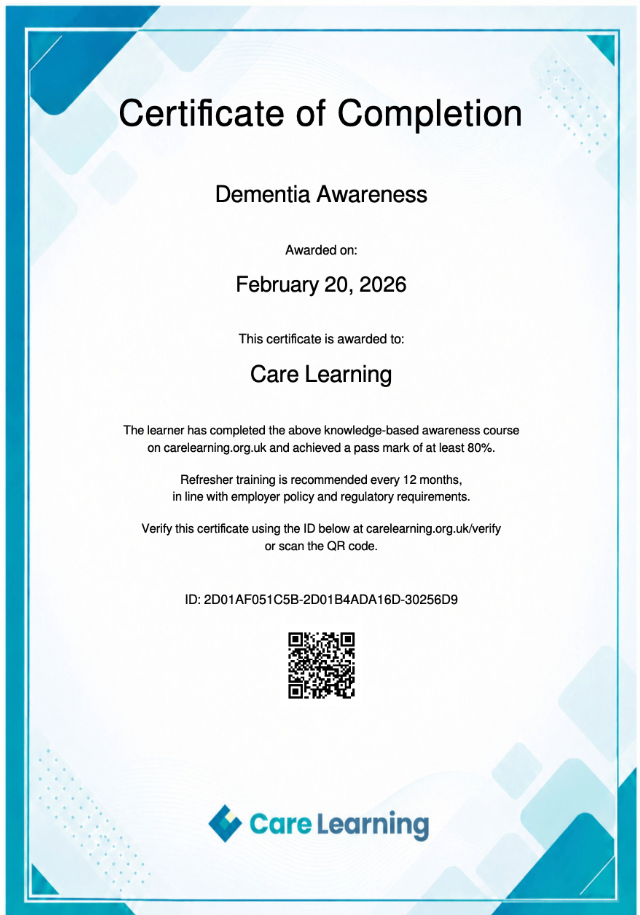
Yes. A certificate is issued after successful completion.
This course provides a practical and structured introduction to adaptability and agility at work. By understanding how to assess change, make proportionate adjustments, protect important requirements and learn from results, learners can respond to changing circumstances with greater clarity and professional judgement.
Enrol now to build your understanding of adaptability and agility at work.