
This Introduction to Charity Fundraising course provides a clear foundation for people involved in raising, managing or overseeing charitable income. It is suitable for fundraisers, charity staff, trustees and volunteers who need to understand how fundraising supports charitable purposes and the responsibilities that come with seeking voluntary support.
This free course explores common sources of charitable income, individual giving, grants, events, community fundraising and earned income. It also covers supporter motivations, the donor journey, effective stewardship, ethical fundraising, the Code of Fundraising Practice, trustee oversight, conflicts of interest, accountability, planning and practical ways to review fundraising activity.
Watch the course trailer

Captions are available in the player (CC). The video plays from YouTube, which only loads when you press play.
Why Take This eLearning Course?
Effective fundraising involves much more than asking people for donations. Organisations need to understand different income sources, communicate responsibly, respect supporter choice and maintain appropriate oversight. This course introduces the practical principles that help charities raise funds in a clear, ethical and accountable way.
This course will help you to:
- Understand the purpose of charity fundraising and how it supports charitable activity.
- Recognise different sources of fundraised and earned income.
- Understand the responsibilities of fundraisers, staff, trustees and volunteers.
- Communicate appropriately with donors and other supporters.
- Develop respectful and effective donor stewardship.
- Recognise ethical issues involving choice, pressure and vulnerability.
- Understand the role of fundraising standards and organisational procedures.
- Recognise trustee responsibilities for fundraising oversight.
- Apply basic principles of fundraising planning and accountability.
- Review fundraising activity and identify when further advice is needed.
Learning Outcomes
By the end of this course, you will be able to:
- Define charity fundraising and explain its purpose.
- Describe common sources within a charity’s fundraising and income mix.
- Identify the roles and responsibilities of people involved in fundraising.
- Describe individual giving, grants, events, community fundraising and earned income.
- Explain supporter motivations, the donor journey and effective stewardship.
- Explain the purpose of the Code of Fundraising Practice and key ethical principles.
- Identify when organisational procedures should be followed or specialist advice sought.
- Describe trustee oversight, conflicts of interest and accountability in fundraising decisions.
- Outline a proportionate process for planning fundraising activity.
- Review fundraising performance and recognise common fundraising mistakes.
Introduction to Charity Fundraising Course Outline
The course is organised into six modules covering the foundations of fundraising, sources of income, supporter relationships, ethical and regulatory practice, trustee oversight and practical fundraising planning and review.
Module 1: Understanding Charity Fundraising
Learners will explore what charity fundraising means, why organisations seek voluntary financial and other support, and how fundraising can contribute to services, projects and longer-term charitable work. The module introduces the fundraising mix, including the distinction between fundraised support and earned income, and explains the responsibilities of fundraisers, other staff, volunteers and trustees. It also considers the importance of clear authority, supervision, records and reporting arrangements.
Module 2: Sources of Charitable Income
Learners will examine common forms of individual giving, including one-off and regular donations, major gifts and legacy giving, with an emphasis on respecting supporter choice. The module also explains how grants and organisational support may progress from identifying a suitable funder through eligibility checks, applications, agreed conditions, appropriate use of funds and reporting. Events, community fundraising, the sale of goods, service provision and trading arrangements are also covered, helping learners recognise when different financial, governance or administrative requirements may apply.
Module 3: Supporter Relationships and Donor Stewardship
Learners will consider why people may choose to support charities, including connections with a cause, personal experience and shared values, while recognising that individual motivations should not be assumed. The donor journey is introduced as a flexible way of understanding how relationships may develop before and after a gift. Learners will also examine effective stewardship, including thanking supporters, confirming information, providing proportionate updates, respecting communication preferences, explaining how funds are used and maintaining relationships without pressure.
Module 4: Ethical and Responsible Fundraising
Learners will explore the purpose of the Code of Fundraising Practice and the role of the Fundraising Regulator. The module considers the principles-based Code that came into force on 1 November 2025 and its role in supporting legal, open, honest and respectful charitable fundraising across the UK. Learners will examine principles including honesty, supporter choice, avoiding unreasonable pressure, responding appropriately to vulnerability, responsible handling of donations and management of concerns. The module also explains when established organisational procedures are sufficient and when legal, financial, governance, safeguarding or data protection advice may be required.
Module 5: Trustee Oversight and Accountability
Learners will examine the responsibilities trustees hold for overseeing fundraising undertaken in a charity’s name. For charities in England and Wales, the module introduces relevant Charity Commission guidance, including the wider duties described in CC3 and fundraising-specific guidance in CC20. It also considers delegated fundraising activity, conflicts of interest, governing rules, declarations, participation in decisions and appropriate records. Learners will explore how purpose-led decision-making, proportionate planning, third-party oversight and clear records support accountability for fundraising decisions.
Module 6: Planning, Reviewing and Improving Fundraising
Learners will explore a straightforward process for developing a fundraising plan based on charitable purposes, funding needs, available resources, responsibilities, costs, risks and suitable measures of success. The module explains how fundraising activity can be reviewed by considering income, costs, staff time, supporter experience, stewardship, compliance and contribution to organisational objectives. Learners will also examine common mistakes involving unclear communications, donor wishes and role boundaries, and understand when issues should be corrected internally or referred to a manager, trustee or specialist adviser.
Target Audience
This course is suitable for:
- People who are new to charity fundraising.
- Charity employees who contribute to fundraising or supporter communications.
- Volunteers involved in collections, events or community fundraising.
- Trustees responsible for fundraising oversight and governance.
- Managers supervising charitable fundraising activity.
- Staff working in charitable or voluntary organisations who need a broader understanding of fundraising responsibilities.
No previous specialist knowledge is required.
FAQ
Who is this charity fundraising course suitable for?
The course is suitable for people who are new to fundraising or who contribute to charitable fundraising activity as part of a wider role. This includes charity staff, volunteers, fundraisers, managers and trustees who need a practical introduction to fundraising responsibilities and good practice.
Do I need any previous experience?
No. The course provides an introductory foundation and does not assume previous professional fundraising experience or specialist knowledge.
What will I learn on this course?
You will learn about the purpose of charity fundraising, different sources of income, individual giving, grants, events, community fundraising, supporter relationships, donor stewardship, ethical principles, fundraising standards, trustee oversight, accountability and basic fundraising planning and review.
Will this course help with day-to-day practice?
Yes. The course is designed to help learners recognise appropriate fundraising practices, communicate responsibly with supporters, follow organisational procedures and identify situations that should be referred for further advice.
Does the course cover practical fundraising skills?
The course focuses on practical knowledge that supports fundraising activity rather than advanced fundraising techniques. It covers areas such as planning, communicating with supporters, managing donor relationships, reviewing activity and recognising common mistakes.
Does it cover relevant responsibilities or good practice?
Yes. The course covers ethical fundraising principles, the Code of Fundraising Practice, organisational procedures, trustee oversight, conflicts of interest, accountability and situations where specialist legal, financial, governance or data protection advice may be needed. It also introduces relevant Charity Commission expectations for trustees of charities in England and Wales.
How long does the course take?
The course is self-paced and usually takes around 1 hour to complete.
Will I receive a certificate?
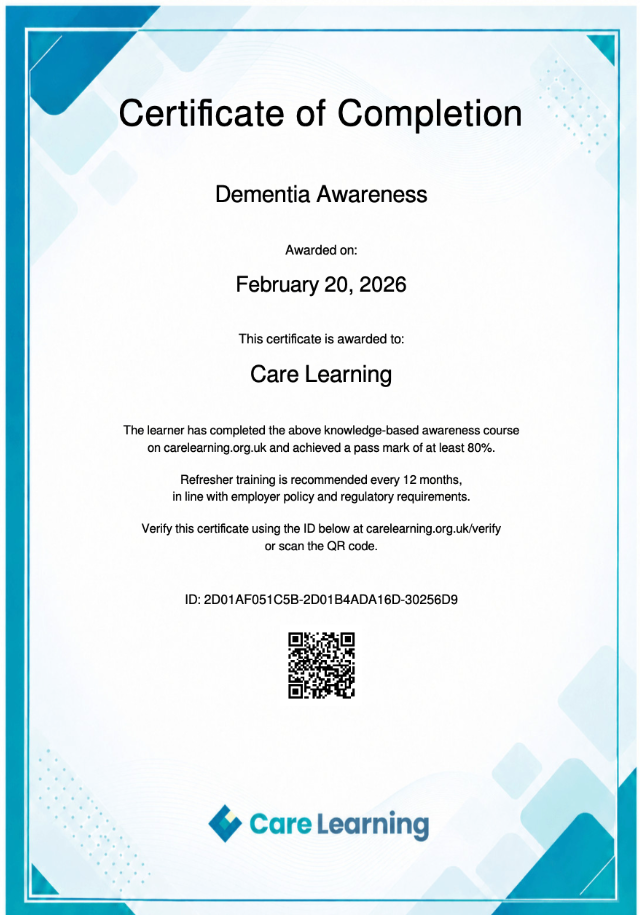
Yes. A certificate is issued after successful completion.
This Introduction to Charity Fundraising course provides a practical foundation for responsible charitable fundraising. It helps learners understand how different fundraising activities fit together while maintaining appropriate standards, supporter choice, clear oversight and accountability.
Enrol now to build your understanding of charity fundraising.