
This online course introduces the responsibilities of teaching assistants, higher level teaching assistants and learning support assistants. It is designed for staff who want a clear understanding of their contribution to learning in English schools.
This free course covers evidence-informed deployment, partnership with teachers, support for pupil independence and the TA contribution to agreed SEND provision. It also introduces safeguarding learning requirements, professional conduct and sources of employment and training support. Examples are relevant to primary and secondary schools, with attention to special schools and resourced provisions.
Why Take This eLearning Course?
Clear roles and purposeful support help school staff work together. This foundational course explains how TA support connects to teaching while recognising pupil needs and professional boundaries.
This course will help you to:
- Understand what the TA role involves in different school settings.
- Distinguish classroom learning support from pastoral contributions.
- Recognise how TA support complements teacher responsibility.
- Understand the purpose of individual, group and structured support.
- Describe scaffolding that leaves room for pupils’ thinking.
- Recognise continuing access support and agreed provision.
- Contribute useful observations and factual feedback.
- Identify the appropriate sources of safeguarding, employment and training information.
Learning Outcomes
By the end of this course, you will be able to:
- Define common TA role terms and professional boundaries.
- Describe teacher partnership and responsibility for all pupils.
- Outline principles of evidence-informed TA deployment.
- Explain the difference between scaffolding and unnecessary adult dependency.
- Give examples of support that helps pupil participation and independence.
- Describe the TA contribution to agreed SEND and EHC-plan provision in England.
- Identify useful preparation, liaison and record-keeping practices.
- Outline safeguarding learning requirements and professional development routes.
The Role of the Teaching Assistant Course Outline
Module 1: Understand the teaching assistant role
Learners will explore TA, LSA and HLTA terminology, the purpose of classroom support and the difference between classroom and pastoral responsibilities. The module explains teacher accountability, shared preparation and inclusive values. It also introduces the boundaries of an agreed role and the need for appropriate training and authorisation.
Module 2: Understand evidence-informed TA deployment
Learners will consider how TA deployment guidance has developed and how current principles connect support to high-quality teaching. The module covers individual and group support, flexible classroom arrangements and structured interventions. It explains why out-of-class support needs to consider missed teaching and peer participation, with no guaranteed attainment claim.
Module 3: Know how support develops independence
Learners will examine temporary scaffolding, prompts, modelling and the risk of adult help replacing a pupil’s thinking. The module shows how observations and pupil views inform adjustments to support. It distinguishes reducing unnecessary help from withdrawing communication aids, agreed provision or necessary access and safety support.
Module 4: Know how to support pupils with SEND
Learners will understand the TA contribution alongside teachers, SENCOs and specialist colleagues. The module introduces England’s EHC-plan terminology, accessible communication and participation. It explains why TAs do not diagnose, determine individual entitlement or independently change specialist provision, and why specialised duties require separate preparation.
Module 5: Know how to work with the class teacher
Learners will explore preparation, liaison and the connection between support and factual feedback. The module explains an everyday learning cycle, useful observations and secure communication. It also considers role clarification, respectful discussion and the management routes for recurring preparation or workload barriers.
Module 6: Know safeguarding and professional development responsibilities
Learners will identify the relationship between official safeguarding guidance, local induction and the TA role. The module covers privacy, professional boundaries, employment information and role-relevant training. A concise recap brings together teacher partnership, teaching access, pupil independence and clear professional responsibilities.
Target Audience
This course is suitable for:
- Teaching assistants in primary schools.
- Teaching assistants in secondary schools.
- Higher level teaching assistants seeking a foundational role overview.
- Learning support assistants.
- TAs working in special schools or resourced provisions.
No previous specialist knowledge is required.
FAQ
Who is The Role of the Teaching Assistant course suitable for?
It is suitable for TAs, HLTAs and LSAs who want an introductory overview of responsibilities and effective partnership in English schools.
Do I need any previous experience?
No. The course explains its terminology and is designed at a foundational level. It complements employer induction and role-specific training.
What will I learn on this course?
You will learn about role clarity, teacher responsibility, evidence-informed deployment, scaffolding, SEND support, liaison and professional development.
Will this course help with day-to-day practice?
It provides principles and examples for understanding agreed support, preparation and feedback. The school’s plans, policies and responsible professionals determine how those principles apply locally.
Does the course cover practical skills?
It is an awareness course. It does not assess practical competence or train staff to perform medical procedures, restrictive interventions, specialist assessments or safeguarding investigations.
Does it replace safeguarding guidance or local induction?
No. Staff still need the current official guidance and their school’s safeguarding policies and induction. The course introduces responsibilities without reproducing a reporting or emergency procedure.
Does it apply across the UK?
The course is England-focused. Scotland, Wales and Northern Ireland have separate systems and guidance, so staff in those nations need the relevant local sources and employer arrangements.
Does it establish my pay, grade or employment rights?
No. The course signposts employment information and advice routes. Individual terms and contractual questions need the employer, HR or an appropriate adviser.
How long does the course take?
The course is self-paced and usually takes around 1 hour to complete.
Will I receive a certificate?
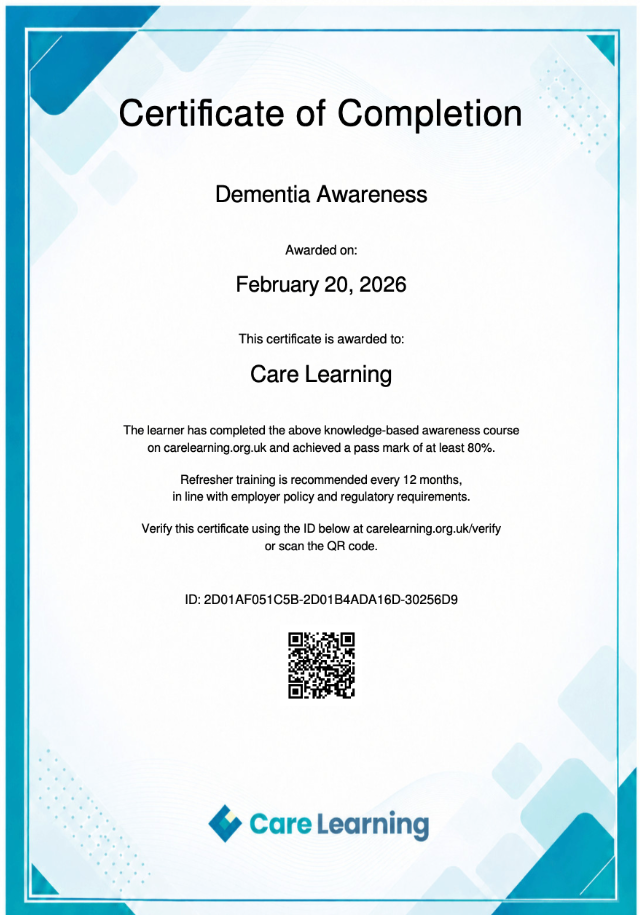
Yes. A certificate is issued after successful completion.
The certificate records course completion and does not establish practical competence or a professional qualification. This course provides a clear starting point for understanding purposeful TA support and professional responsibilities.
Enrol now to build your understanding of the teaching assistant role.