
This introductory online course helps housing officers, allocations staff, income officers and neighbourhood managers understand social housing fraud concerns. It supports fair, informed awareness of a topic that affects access to homes, residents and housing services.
This free course focuses on England. It covers common tenancy concerns, the Prevention of Social Housing Fraud Act 2013, evidence limitations, factual recording and authorised referral routes. Learners also explore sensitive handling where health, domestic abuse or support needs may be relevant.
Why Take This eLearning Course?
An apparent inconsistency can have several explanations. Understanding the difference between a concern and an established finding helps staff respond responsibly, preserve fair treatment and seek advice through the right channels.
This course will help you to:
- Recognise common concerns without assuming guilt.
- Distinguish tenancy misuse, mistakes and suspected dishonest conduct.
- Understand what published recovery figures can show.
- Recognise the limits of routine housing roles.
- Record relevant facts and uncertainty clearly.
- Follow designated internal referral routes.
- Respect privacy and lawful information handling.
- Consider support needs alongside a concern.
- Find current professional and official resources.
Learning Outcomes
By the end of this course, you will be able to:
- Define social housing fraud, allegations and established findings.
- Describe application, subletting, occupation and succession concerns.
- Explain the limits of dated fraud statistics.
- Describe the England legal framework at awareness level.
- Distinguish possible civil and criminal outcomes.
- Identify factual recording and authorised referral principles.
- Explain why health and domestic abuse circumstances need sensitive consideration.
- Distinguish allocations from homelessness assessment.
- Identify professional resources and specialist advice routes.
Social Housing Fraud Awareness Course Outline
The course contains six modules, with four concise lessons in each module.
Module 1: Understand social housing fraud
Learners will distinguish tenancy misuse, dishonest conduct, allegations and evidence. They will consider effects on people and services, the limitations of published recovery data, and the responsibilities of routine housing staff and specialist teams.
Module 2: Know common tenancy fraud concerns
Learners will explore application inconsistencies, unlawful subletting and selling access to a home. The module explains why non-occupation, duplicate records and disputed succession or allocation rights require context and authorised advice rather than immediate conclusions.
Module 3: Understand the legal framework in England
Learners will gain awareness of the scope and conditions of the Prevention of Social Housing Fraud Act 2013. They will distinguish possible civil and criminal remedies, understand the need for lawful information use, and recognise unsafe assumptions about jurisdiction, eviction and evidence.
Module 4: Know respectful recognition and referral
Learners will consider the difference between routine observations, reported concerns and established findings. They will identify information suitable for a factual referral and recognise how health, caring responsibilities, domestic abuse, exploitation or inaccurate records can affect an apparent concern.
Module 5: Know sensitive handling and safe boundaries
Learners will outline the general internal referral pathway and recognise when separate support routes may be needed. They will explore respectful communication, privacy and role limits, alongside the distinction between allocation and homelessness assessment.
Module 6: Know professional resources and recap
Learners will identify professional resources, including the Chartered Institute of Housing and Tenancy Fraud Forum, while recognising the importance of current official law and policy. They will review responsibilities after referral, organisational learning and the course’s main messages.
Target Audience
This course is suitable for:
- Housing officers working for councils or housing associations.
- Allocations and housing register staff.
- Income officers.
- Neighbourhood managers.
- Housing service managers and compliance colleagues seeking introductory awareness.
No previous specialist knowledge is required.
FAQ
Who is Social Housing Fraud Awareness suitable for?
It is designed for staff whose routine housing work may bring them into contact with tenancy concerns, including housing officers, allocations staff, income officers and neighbourhood managers.
Do I need any previous experience?
No specialist fraud or legal knowledge is required. The course introduces the topic and explains when advice from trained teams is needed.
What will I learn on this course?
You will learn about common concerns, the England legal framework, evidence limitations, factual recording, authorised referrals and sensitive handling of personal circumstances.
Will this course help with day-to-day practice?
It supports clearer recognition of concerns, neutral recording and awareness of designated referral routes. Your organisation’s current procedures guide what you do in a particular situation.
Does the course cover practical skills?
It introduces factual recording and respectful communication principles. It does not train learners to conduct investigations, determine legal rights or make individual homelessness decisions.
Does it cover relevant responsibilities or good practice?
Yes. It introduces lawful information handling, fair treatment, role boundaries and separate support routes. Legal decisions and sensitive cases require appropriate specialist advice.
How long does the course take?
The course is self-paced and usually takes around 1 hour to complete. Allow extra time for the three external video resources.
Will I receive a certificate?
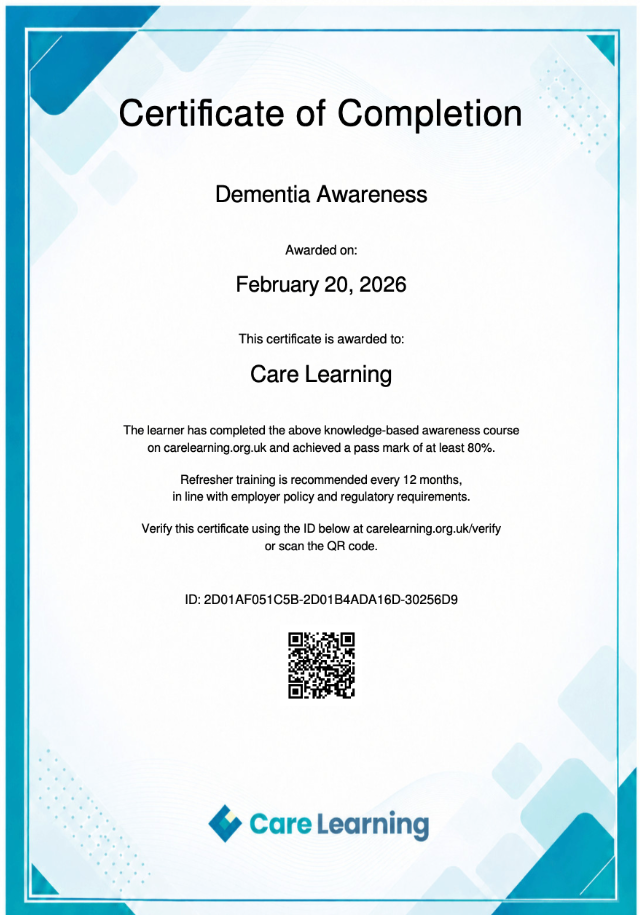
Yes. A certificate is issued after successful completion.
Build a clear foundation for recognising concerns and responding within your role, with respect for the people involved and the need for authorised decisions.
Enrol now to build your understanding of social housing fraud awareness.