
This Burns and Scalds Awareness Training Course is designed for health and social care workers and others who may need to recognise, prevent and respond appropriately to burn and scald risks. It explains common causes and warning signs, factors that may increase concern, and the importance of obtaining qualified help without acting beyond an awareness-trained role.
This free course covers environmental hazards, individual risk factors, supervision, first-aid awareness, emergency and urgent-care escalation, incident recording, workplace reporting, safeguarding responsibilities and relevant UK workplace expectations. It also reinforces the importance of following current recognised guidance and organisational procedures rather than relying on home remedies or unsupported clinical judgement.
Why Take This eLearning Course?
Burns and scalds can occur during everyday activities such as preparing drinks, cooking, bathing, personal care and using heated equipment. This course supports staff to recognise foreseeable risks, respond appropriately to concerns and understand where their responsibilities end and qualified first-aid or clinical support should begin.
This course will help you to:
- Recognise common causes of burns and scalds in care, workplace and everyday environments.
- Identify people and circumstances that may increase the risk of injury.
- Spot common environmental hazards involving hot liquids, surfaces, steam, electricity and chemicals.
- Apply practical prevention principles while respecting individual choice and independence.
- Recognise observable signs that should be communicated to a first-aider or healthcare professional.
- Understand when an injury may require urgent or emergency escalation.
- Avoid common myths and potentially unsafe responses to burns and scalds.
- Record and report incidents clearly, factually and through the correct workplace routes.
- Recognise circumstances in which an injury may raise a safeguarding concern.
- Work within appropriate professional boundaries and use reliable, current guidance.
Learning Outcomes
By the end of this course, you will be able to:
- Define burns and scalds and distinguish between common causes.
- Describe factors that can affect concern about a burn or scald injury.
- Identify people who may require additional support to reduce burn and scald risks.
- Recognise common hazards and suitable environmental controls.
- Explain how supervision and individual needs influence safe practice.
- Identify common observable signs and higher-risk causes requiring particular caution.
- Explain appropriate routes for urgent, emergency and qualified professional advice.
- Describe the limits of burns and scalds awareness training and avoid unsafe responses.
- Record, report and escalate incidents and safeguarding concerns appropriately.
- Outline relevant workplace responsibilities and identify reliable sources of current guidance.
Burns and Scalds Awareness Training Course Outline
The course is organised into six modules covering the nature and causes of burns and scalds, prevention and risk management, recognition and escalation, safe response boundaries, recording and safeguarding, and workplace responsibilities and guidance.
Module 1: Understanding Burns, Scalds and Individual Risk
Learners will explore what burns and scalds are and the different sources that can cause injury, including dry heat, hot liquids, steam, electricity, chemicals, radiation, friction and extreme cold. The module explains why appearance alone should not be used to judge seriousness and considers factors such as the area affected, location, cause and the person’s overall condition. Learners will also consider why babies, children, older people and people with mobility, sensory, communication or cognitive support needs may require individualised risk controls.
Module 2: Preventing Burns and Scalds in Everyday Environments
Learners will examine common hazards found in kitchens, bathrooms, care environments, education settings, supported living and community locations. The module considers risks associated with hot drinks, cooking equipment, bathing, steam, heaters, grooming equipment and everyday support activities. It also covers practical environmental controls, risk assessment, safe positioning and storage, equipment maintenance, appropriate supervision and the importance of balancing safety with independence, dignity and choice.
Module 3: Recognising Signs and Knowing When to Escalate
Learners will identify observable signs associated with burns and scalds, including pain, redness, swelling, blistering, behavioural changes and deterioration in general condition. The module considers factors that may increase concern and explains why electrical and chemical causes require particular caution. Learners will also explore the distinction between emergency and urgent-care routes, including the importance of following current NHS guidance and seeking qualified advice when the correct response is uncertain.
Module 4: Safe Responses and Awareness Training Boundaries
Learners will understand what burns and scalds awareness training does and does not qualify them to do. The module reinforces the importance of involving trained first-aiders, healthcare professionals and emergency or urgent-care services where appropriate. It explains how current NHS, St John Ambulance and organisational guidance should support decision-making and addresses unsafe responses such as using ice, butter, oils, creams, improvised remedies, breaking blisters or removing material stuck to an injury.
Module 5: Recording, Reporting and Safeguarding
Learners will explore how to create clear, factual incident records that distinguish direct observations from information provided by others and avoid unsupported conclusions or clinical diagnoses. The module covers local workplace reporting, the role of responsible persons and the boundaries of RIDDOR decision-making. Learners will also consider when burns or scalds may raise safeguarding concerns, how to recognise patterns or inconsistent information, and why concerns should be recorded and escalated promptly without attempting to investigate them independently.
Module 6: Workplace Responsibilities and Current UK Guidance
Learners will examine workplace first-aid responsibilities across Great Britain and Northern Ireland and understand that employers must provide arrangements appropriate to their circumstances and risks. The module considers relevant expectations in care and early years settings in England, including risk management, safe environments and person-centred practice. It concludes by reinforcing professional boundaries, escalation responsibilities and the importance of keeping organisational procedures aligned with current NHS, St John Ambulance, British Burn Association and other recognised guidance.
Target Audience
This course is suitable for:
- Health and social care workers who need burns and scalds awareness as part of their role.
- Care workers, support workers and staff working in supported living or community services.
- Early years staff and others responsible for supervising children around heat hazards.
- Managers and supervisors responsible for workplace safety, incident reporting or risk management.
- Staff who support people with bathing, cooking, food, drinks or other everyday activities involving heat.
- New or existing employees who need an introduction or refresher on burns and scalds prevention and escalation.
No previous specialist knowledge is required.
FAQ
Who is this course suitable for?
The course is designed primarily for health and social care workers, support staff, early years practitioners and others whose work may involve preventing, recognising or escalating concerns about burns and scalds. It is also relevant to managers and staff responsible for maintaining safe environments.
Do I need any previous experience?
No. The course provides awareness-level learning and does not require previous specialist knowledge or first-aid qualifications. It does not replace practical first-aid training or competency assessment.
What will I learn on this burns and scalds awareness course?
You will learn about common causes and hazards, individual risk factors, prevention measures, observable signs, escalation routes, unsafe responses, incident recording, safeguarding concerns, workplace responsibilities and reliable sources of current guidance.
Will this course help with day-to-day practice?
Yes. The course relates burns and scalds awareness to activities such as bathing, preparing hot food and drinks, cooking, personal care, using heated equipment, supervising others and maintaining safe environments.
Does the course cover practical first-aid skills?
The course provides awareness rather than practical first-aid competency. It explains how to recognise concerns, obtain appropriate help and follow current guidance, but it does not qualify learners to diagnose burns, assess clinical severity or demonstrate practical first-aid competence.
Does it cover relevant workplace and safeguarding responsibilities?
Yes. The course introduces workplace first-aid responsibilities, organisational reporting, RIDDOR boundaries, safeguarding concerns, professional boundaries and relevant expectations in care and early years settings. Learners are encouraged to follow the legislation, procedures and guidance applicable to their workplace and UK nation.
When should professional or emergency help be sought?
The course explains factors that may require urgent or emergency escalation, including concerning injury features, particular body areas, chemical or electrical causes and deterioration in the person’s overall condition. Learners are instructed to follow current NHS and organisational guidance rather than make an independent clinical judgement.
How long does the course take?
The course is self-paced and usually takes around 1 hour to complete.
Will I receive a certificate?
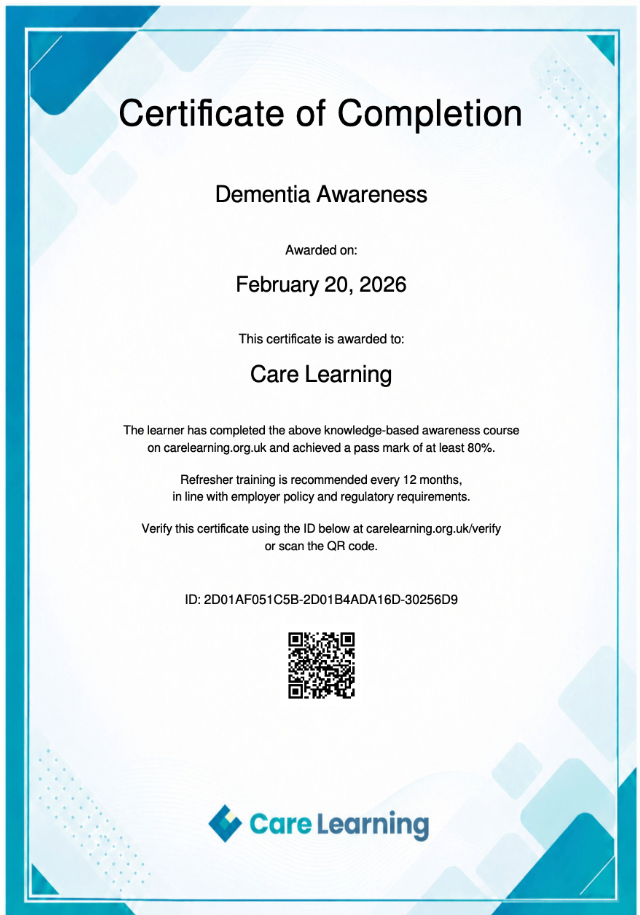
Yes. A certificate is issued after successful completion.
This Burns and Scalds First Aid Awareness Training Course provides a practical foundation for recognising hazards, reducing foreseeable risks and responding appropriately when an incident occurs. It supports safer working while reinforcing the importance of professional boundaries, accurate reporting, prompt escalation and current recognised guidance.
Enrol now to build your understanding of burns and scalds first aid awareness.