
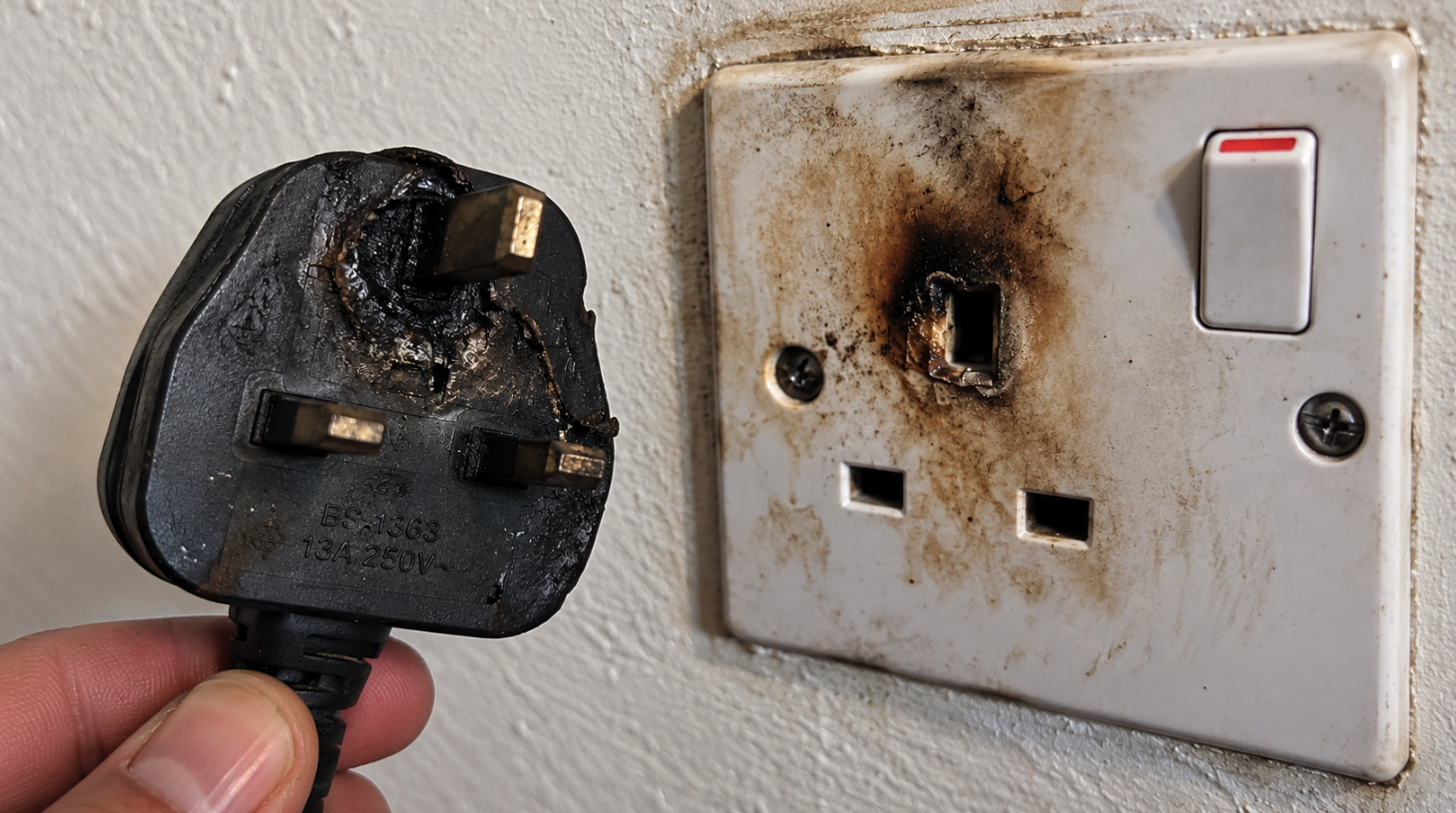
This Electrical Safety Awareness in the Workplace course is workers who use electrical equipment as part of their everyday duties. It provides practical awareness of common electrical hazards, unsafe equipment, overloaded connections and electrical incidents, helping staff understand how to recognise problems and respond safely.
The course covers electrical shock and burns, workplace responsibilities, visual equipment checks, safe use of plugs and extension leads, fault reporting, portable appliance testing (PAT) and emergency action. It also explains the limits of an employee’s role and when electrical inspection, repair or testing should be passed to a suitably competent person.
Why Take This eLearning Course?
Electrical equipment is used throughout care homes, offices, community services and other health and social care workplaces. Recognising signs of damage or unsafe use can help prevent electric shock, burns, fires and secondary injuries. This course supports staff in making appropriate day-to-day safety decisions while remaining within the limits of their role and competence.
This course will help you to:
- Recognise common electrical hazards before they result in an incident.
- Identify visible damage to plugs, cables, casings and electrical connections.
- Use portable appliances, leads and extension equipment more safely.
- Understand when damaged or unusual equipment should be taken out of use.
- Respond appropriately when an electrical fault is discovered.
- Recognise the risks associated with overloaded sockets and overheating.
- Understand workplace responsibilities for maintaining electrical safety.
- Distinguish routine employee checks from specialist inspection and testing.
- Understand the role of PAT within a risk-based maintenance system.
- Follow appropriate priorities during an electrical emergency.
Learning Outcomes
By the end of this course, you will be able to:
- Define common electrical hazards found in the workplace.
- Describe the possible effects of electric shock, burns and related injuries.
- Explain how electrical faults can lead to fire.
- Describe key requirements for keeping electrical equipment and systems safe.
- Identify the responsibilities of employers, managers and employees.
- Carry out appropriate visual checks before using portable equipment.
- Recognise when equipment, sockets, leads or connections may be unsafe.
- Explain appropriate actions for reporting and securing faulty equipment.
- Describe the difference between user checks, formal visual inspection and electrical testing.
- Outline safe actions to take during an electrical incident.
Electrical Safety Awareness in the Workplace Course Outline
The course is divided into eight modules, progressing from recognising electrical hazards and responsibilities through to everyday equipment safety, maintenance awareness and emergency action.
Module 1: Electrical Hazards, Shock, Burns and Fire
Learners will explore common workplace electrical hazards, including exposed live parts, damaged equipment, wet conditions, overloaded connections, hidden cables and faulty installations. The module explains how electric shock can affect the body, how electrical and thermal burns may occur, and how secondary injuries can result from falls or sudden movement. Learners will also examine how overheating, damaged equipment and unsafe connections can contribute to electrical fires and the warning signs that require prompt action.
Module 2: Electrical Safety Responsibilities and Legal Requirements
Learners will develop an awareness of the Electricity at Work Regulations 1989 and their role in controlling electrical danger arising from work activities in Great Britain. The module considers safe construction, suitable equipment, planned maintenance, safe operating arrangements and competent support. It also explains the different responsibilities of employers, managers and employees and makes clear that awareness training does not qualify employees to carry out specialist electrical work, repairs or formal testing.
Module 3: Recognising Unsafe Electrical Conditions
Learners will examine visible conditions that can indicate electrical equipment is unsafe, including damaged plugs, frayed cables, cracked casings, makeshift repairs, heat damage and water contamination. They will consider how equipment can deteriorate through frequent movement, poor handling and challenging working environments. The module also covers risks associated with nearby electrical equipment, concealed wiring, warning signs and workplace controls, using examples from care homes, schools, offices and housing services.
Module 4: Safe Use of Portable Electrical Equipment
Learners will understand how to carry out simple visual checks of plugs, cables, casings and accessible connections before equipment is used, without dismantling it. The module explains why appliances should be used only for their intended purpose and in suitable environments. It also covers safe handling and positioning of plugs, leads and cables, appropriate isolation before relevant tasks, and the signs that mean an appliance should immediately be taken out of use.
Module 5: Electrical Faults, Reporting and Repair
Learners will identify common visible signs of electrical damage, including cracked plugs, damaged cable insulation, loose connections, scorching, melting and contamination. They will learn what to do when a fault is discovered, including stopping use, disconnecting equipment where this can be done safely, reporting the defect and preventing accidental reuse. The module explains why electrical repairs should not be attempted by unqualified staff and considers effective workplace reporting routes such as managers, facilities teams, responsible persons, fault records and quarantine arrangements.
Module 6: Sockets, Extension Leads and Cable Reels
Learners will examine how excessive electrical loads, unsuitable adapters and heat build-up can create unsafe conditions. The module explains how extension leads should be checked, loaded within their rated capacity and protected from physical damage and trip hazards. Learners will also consider safe use of cable reels and coiled extension leads, including manufacturer ratings, unwinding requirements and safe storage, together with warning signs such as unusual heat, discolouration, burning smells, sparking and repeated tripping.
Module 7: Portable Appliance Testing and Electrical Maintenance
Learners will develop an understanding of portable appliance testing, commonly known as PAT, and its place within a wider electrical maintenance system. The module distinguishes routine user checks from formal visual inspection and electrical testing and explains how the competence required increases with the complexity of the task. Learners will also examine the risk-based approach to electrical maintenance, including why every portable appliance does not automatically require an annual PAT, and the employee’s role in supporting inspection, reporting and safe equipment use.
Module 8: Electrical Incidents and Emergency Action
Learners will understand the immediate priorities during an electrical incident, including raising the alarm, keeping a safe distance from live electrical hazards, avoiding direct contact with a casualty who may still be connected to the supply and obtaining appropriate assistance. The module explains why safe isolation must come before direct contact and covers workplace first-aid and emergency arrangements, including calling 999 or 112 when required. It concludes by reinforcing the course’s key messages around equipment checks, safe use, prompt fault reporting, role boundaries and emergency awareness.
Target Audience
This course is suitable for:
- Care workers and support workers using electrical equipment in care settings.
- Residential and nursing home staff.
- Domiciliary and community-based care workers.
- Supervisors, team leaders and managers responsible for day-to-day workplace safety.
- Facilities, housekeeping and other non-specialist staff who regularly use portable electrical equipment.
- New employees who require introductory workplace electrical safety awareness.
No previous specialist knowledge is required.
FAQ
Who is this electrical safety awareness course suitable for?
The course is designed primarily for health and social care workers who use or work around electrical equipment as part of their duties. It is also suitable for managers, supervisors and other non-specialist employees who need practical workplace electrical safety awareness.
Do I need any previous experience?
No. The course is an awareness-level introduction and does not assume previous electrical training or specialist technical knowledge. It does not qualify learners to undertake electrical repairs, formal testing or other specialist electrical work.
What will I learn on this course?
You will learn how to recognise common electrical hazards, identify visible equipment damage, use appliances and electrical connections more safely, respond to faults, understand PAT and maintenance arrangements, and follow appropriate procedures during an electrical incident.
Will this course help with day-to-day practice?
Yes. The course focuses on situations employees may encounter during routine work, including checking equipment before use, noticing overheating or damage, using extension leads correctly, reporting faults and knowing when equipment should be taken out of service.
Does the course cover practical electrical skills?
The course covers practical awareness skills such as carrying out simple visual checks and recognising unsafe conditions. It does not teach electrical repair, live electrical work, formal electrical testing or specialist inspection. These tasks require an appropriate level of competence.
Does the course cover workplace electrical safety responsibilities?
Yes. It introduces the Electricity at Work Regulations 1989 and explains how employers, managers and employees contribute to electrical safety. It also emphasises the importance of safe systems, suitable maintenance arrangements, reporting defects and working within individual levels of training and competence.
Does the course explain portable appliance testing (PAT)?
Yes. The course explains what PAT means, how it differs from routine user checks and formal visual inspection, and why electrical maintenance should be based on factors such as equipment type, use, environment and previous fault history rather than assuming every appliance requires annual testing.
How long does the course take?
The course is self-paced and usually takes around 1 hour to complete.
Will I receive a certificate?
Yes. A certificate is issued after successful completion.
Electrical safety depends on recognising hazards early, using equipment appropriately and acting promptly when something appears unsafe. This course provides health and social care workers with practical awareness to support safer everyday equipment use, effective fault reporting and an appropriate response when electrical incidents occur.
Enrol now to build your understanding of electrical safety in the workplace.