This Child Behaviour in Early Years course is designed for early years practitioners, nursery staff and others who support babies and young children in England. It explores behaviour as a form of communication and helps learners understand how age, development, relationships, routines and unmet needs can affect how young children respond.
This free course covers early years behaviour support within the context of the EYFS, communication and language, personal, social and emotional development, observation, co-regulation, recording, SEND support and safeguarding escalation. It gives learners practical guidance for responding calmly, respectfully and professionally.
Why Take This eLearning Course?
Understanding behaviour in the early years helps adults respond with curiosity rather than blame. This course supports confident, child-centred practice by helping learners recognise needs, adapt routines and use calm strategies that protect children’s dignity and wellbeing.
This course will help you to:
- Understand behaviour as a way young children communicate needs and feelings.
- Respond to behaviour in a calm, respectful and developmentally appropriate way.
- Recognise how age, stage and development influence behaviour.
- Support children through secure relationships and co-regulation.
- Use communication-friendly approaches to reduce frustration.
- Identify common unmet needs behind challenging behaviour.
- Observe behaviour patterns without making assumptions.
- Support play, sharing, conflict and everyday routines.
- Record and share concerns clearly and professionally.
- Know when further discussion, SEND support or safeguarding escalation may be needed.
Learning Outcomes
By the end of this course, you will be able to:
- Define behaviour as communication in early years settings.
- Describe how development, language and emotional regulation affect behaviour.
- Explain the importance of secure relationships and the key person role.
- Identify why labels, blame and judgemental language are unhelpful.
- Recognise EYFS expectations linked to behaviour support.
- Give examples of behaviour linked to routines, sensory needs and communication.
- Apply calm co-regulation and communication-friendly strategies.
- Identify approaches to avoid, including punishment, shaming and routine physical intervention.
- Record observations and concerns using factual, professional language.
- Explain when to involve the SENCO, safeguarding lead or external agencies.
Child Behaviour in Early Years Course Outline
Module 1: Understanding Behaviour as Communication
Learners will explore behaviour as one way babies and young children communicate needs, feelings and experiences. This module explains how physical needs, emotional signals, sensory responses and communication gaps can influence behaviour. It also covers the importance of age, stage and development, the role of secure relationships and the key person, and why respectful language is more helpful than blame or labels.
Module 2: Behaviour Support within the EYFS
Learners will consider how behaviour support connects with the Early Years Foundation Stage in England. This module looks at positive relationships, enabling environments, partnership with families and inclusive support. It also explains how communication and language, personal, social and emotional development, and everyday routines can affect behaviour, helping practitioners understand what children may be communicating during transitions, care routines and group activities.
Module 3: Recognising Needs and Patterns
Learners will review common behaviours that adults may find challenging, including distress, physical actions, refusal, running, shouting, withdrawal and changes in care patterns. This module explains likely unmet needs behind behaviour, including physical, sensory, communication and connection needs. It also considers how adverse experiences may affect early behaviour and shows how careful observation can help practitioners identify patterns without relying on assumptions or opinions.
Module 4: Positive Support Strategies
Learners will develop their understanding of calm, practical behaviour support. This module covers co-regulation, calm adult presence, emotional support, simple language, visual prompts, now-and-next approaches, clear choices and checking understanding. It also explains how predictable routines, quiet spaces, reduced waiting, accessible resources and adult support during play, sharing and conflict can prevent avoidable difficulties and help children practise social skills.
Module 5: Responding to Heightened Emotions and Concerns
Learners will explore how to respond when children experience heightened emotions, aggression or withdrawal. This module explains how adults can reduce demands, protect safety, use brief supportive language and reconnect once a child has settled. It also covers approaches to avoid, including threats, humiliation, public shaming, isolation and routine physical intervention. Learners will also consider how to record and share concerns using factual, confidential and professional practice.
Module 6: Further Support, SEND and Safeguarding
Learners will identify when behaviour may need further discussion because it is frequent, intense, unsafe or affecting wellbeing. This module explains the link between persistent difficulties and the SEND Code of Practice, including the importance of careful assessment rather than automatic labelling. It outlines the graduated approach of assess, plan, do and review, and explains when practitioners should follow safeguarding or escalation procedures, including urgent action where a child may be at risk.
Target Audience
This course is suitable for:
- Early years practitioners working in nurseries, pre-schools or childcare settings.
- Room leaders, nursery managers and early years supervisors.
- Childminders and assistants supporting young children.
- SENCOs and staff involved in early identification and support.
- Family support, health or social care staff working with early years children.
- Volunteers or new staff who need an introduction to early years behaviour support.
No previous specialist knowledge is required.
FAQ
Who is this course suitable for?
This course is suitable for anyone who supports babies and young children in early years settings, including practitioners, childminders, room leaders, managers, SENCOs and relevant support staff.
Do I need any previous experience?
No. The course is written as an accessible introduction to early years behaviour support. It is suitable for new staff as well as experienced practitioners who want to refresh their understanding.
What will I learn on this Child Behaviour in Early Years course?
You will learn how to understand behaviour as communication, recognise possible unmet needs, use calm co-regulation strategies, support routines and play, record concerns clearly, and know when further support or safeguarding escalation may be needed.
Will this course help with day-to-day practice?
Yes. The course focuses on everyday early years situations such as arrivals, transitions, care routines, group time, play, sharing, conflict, distress, aggression and withdrawal.
Does the course cover practical skills?
Yes. It includes practical approaches such as using simple language, visual prompts, now-and-next support, calm adult presence, predictable routines, observation, factual recording and respectful communication with families and colleagues.
Does it cover relevant responsibilities or good practice?
Yes. The course covers England-focused early years good practice, including EYFS expectations, SEND support through the graduated approach, professional recording, confidentiality and safeguarding escalation procedures.
How long does the course take?
The course is self-paced and usually takes around 1 hour to complete.
Will I receive a certificate?
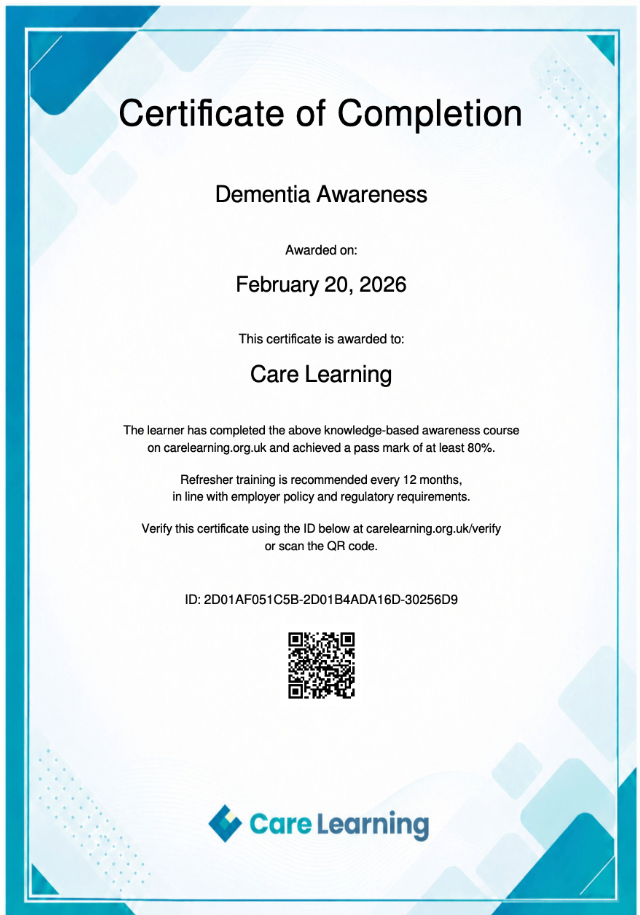
Yes. A certificate is issued after successful completion.
This online Child Behaviour in Early Years course gives learners a clear and practical foundation for understanding young children’s behaviour. It supports respectful, inclusive and professionally responsible practice across early years settings in England.
Enrol now to build your understanding of child behaviour in early years.