
Digital technology is part of everyday working life across health and social care. This course is designed for health and care workers who need to use workplace devices, online information, email and digital systems safely, confidently and within the boundaries of their role.
This free course covers basic device and internet skills, professional email use, workplace systems and digital records, account security, phishing awareness, digital wellbeing and ways to continue developing digital confidence. It also considers the importance of using technology appropriately while maintaining responsive, person-centred communication.
Why Take This eLearning Course?
Using digital technology confidently can make routine workplace tasks easier to complete while supporting accurate communication, responsible information handling and safer use of organisational systems. This course helps learners build practical skills while recognising when they should follow workplace procedures or seek additional support.
This course will help you to:
- Build confidence when using common workplace technology
- Understand how digital systems support health and care services
- Use smartphones, tablets and computers more safely
- Find and assess online information more carefully
- Communicate professionally through workplace email
- Handle attachments, messages and digital records responsibly
- Recognise suspicious emails, links and online requests
- Respond appropriately when a digital or security problem occurs
- Manage some of the pressures associated with digital working
- Identify suitable ways to continue developing digital skills
Learning Outcomes
By the end of this course, you will be able to:
- Describe how digital technology is used within health and social care
- Explain why basic digital skills are important for care workers
- Identify common features of smartphones, tablets and computers
- Search for online information safely and assess its reliability
- Use workplace email and attachments more appropriately
- Explain how to navigate workplace systems within authorised responsibilities
- Describe why digital records need to be accurate and appropriately protected
- Identify common account security and phishing risks
- Explain how to respond to digital mistakes or suspected security incidents
- Identify ways to manage digital demands and continue building confidence
Digital Literacy for Health and Care Workers Course Outline
The course is organised into eight modules, progressing from basic digital confidence and device use through online information, communication, workplace systems, cyber security, digital wellbeing and ongoing learning.
Module 1: Digital Technology and Confidence
Learners will explore how digital technology is used across health and social care, including electronic care records, digital rostering, workplace communication systems, online resources and shared records. They will consider why basic digital skills support accurate information handling and routine workplace activities, as well as practical ways to build confidence through manageable steps, repeated practice and appropriate support.
Module 2: Using and Looking After Workplace Devices
Learners will identify common features of smartphones, tablets and computers, including touchscreens, keyboards, menus, settings, connectivity and accessibility controls. They will examine safe device use from secure sign-in to locking and signing out, alongside good practice for charging, preventing damage, cleaning equipment and reporting faults through approved workplace processes.
Module 3: Using the Internet and Finding Reliable Information
Learners will develop their understanding of common internet and browser terms such as websites, web addresses, search engines, links, tabs, navigation controls and downloads. They will learn how to plan safer searches without including confidential information, check destinations before opening results and assess the reliability of health and care information by considering the publisher, date, evidence, web address and other trusted sources.
Module 4: Professional and Safe Workplace Email
Learners will examine the basic areas and controls found within a work email account, including inboxes, sent items, drafts, recipients, subject lines, replies, reply all and forwarding. They will consider how to write clear and professional messages, check recipients, limit information to what is necessary and handle attachments, links and inbox content in ways that reduce avoidable information and security risks.
Module 5: Workplace Systems and Digital Records
Learners will explore secure sign-in and navigation within workplace systems used for care recording, clinical information, rostering and other service functions. They will examine the importance of selecting the correct record, making factual and carefully checked entries, using approved correction processes and protecting personal data. The module also reinforces the limits of a worker’s role, including authorised access, trained functions, security permissions and when to seek support.
Module 6: Account Security and Digital Incidents
Learners will consider good practice for protecting workplace accounts, including private credentials, suitable password arrangements and organisational security controls such as multi-factor authentication where provided. They will learn to recognise potential phishing indicators, including unfamiliar senders, unexpected requests, urgency and requests for login information. The module also explains how to stop, report and respond appropriately when suspicious activity, accidental disclosure, lost equipment or another digital problem occurs.
Module 7: Digital Working and Wellbeing
Learners will examine how digital working can bring both practical benefits and additional pressures, including prolonged screen use, interruptions, information overload, unfamiliar systems and technical difficulties. They will explore practical approaches such as appropriate breaks, approved display adjustments, notification management, focused working and seeking support. The module also considers how technology should support rather than unnecessarily replace attentive, face-to-face communication with people receiving care.
Module 8: Support and Continuing Digital Development
Learners will identify sources of help with workplace technology, including managers, supervisors, experienced colleagues, IT or digital support teams, workplace guidance and organisation-specific training. They will consider how routine practice, trusted learning resources, further training and reflection can support continued development. The module emphasises gradual confidence-building while recognising when unfamiliar permissions, sensitive functions or technical problems should be referred to someone with suitable authority or expertise.
Target Audience
This course is suitable for:
- Health and social care workers who use digital technology as part of their role
- Care workers who need greater confidence with workplace devices or systems
- New staff developing essential digital skills for care environments
- Existing staff who want to refresh their understanding of safe digital working
- Workers who use digital records, email or online information in day-to-day practice
- Managers or organisations supporting staff with basic digital literacy
No previous specialist knowledge is required.
FAQ
Who is this course suitable for?
The course is suitable for health and social care workers who use, or expect to use, digital devices and workplace systems as part of their role. It is particularly useful for learners who want to strengthen their confidence with everyday digital tasks.
Do I need any previous experience?
No previous specialist digital knowledge is required. The course introduces common technology, terminology and workplace activities at an accessible level while encouraging learners to follow employer-specific training and guidance.
What will I learn on this digital literacy course?
You will learn about workplace devices, internet searching, reliable online information, professional email, digital records, workplace systems, account protection, phishing awareness, incident reporting, digital wellbeing and ongoing skills development.
Will this course help with day-to-day practice?
Yes. The content focuses on everyday activities that health and care workers may encounter, such as signing into systems, finding information, managing email, entering records, protecting accounts and knowing when to ask for help.
Does the course cover practical digital skills?
The course develops understanding of practical activities including navigating devices and systems, using browser functions, managing workplace email, checking attachments, protecting accounts and responding to common digital problems. Employer-specific systems should still be used in accordance with local training.
Does it cover relevant responsibilities and good practice?
Yes. The course covers working within authorised access, protecting personal information, maintaining accurate digital records, following workplace procedures and recognising the limits of the worker’s role. It also introduces relevant considerations around UK data protection and organisational cyber security controls.
How long does the course take?
The course is self-paced and usually takes around 1 hour to complete.
Will I receive a certificate?
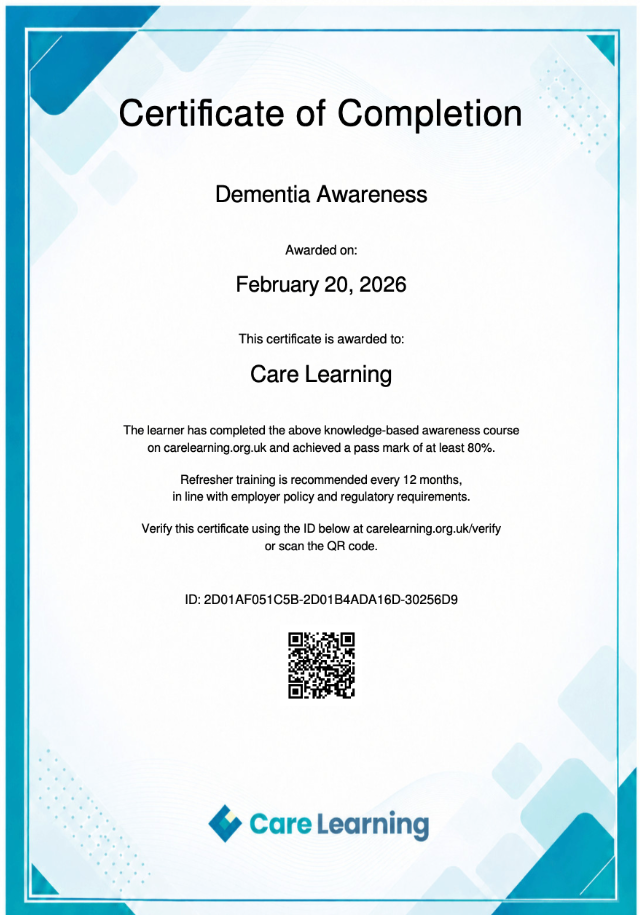
Yes. A certificate is issued after successful completion.
Digital confidence supports effective participation in modern health and social care services. This course provides a practical foundation for using technology responsibly, recognising common risks and continuing to develop skills while remaining within workplace procedures and professional boundaries.
Enrol now to build your understanding of digital literacy for health and care work.