This Migraine Awareness Training Course is designed for health and social care workers who may support people affected by migraine. It develops an awareness-level understanding of migraine as a neurological headache disorder, recognising that attacks can involve a wide range of symptoms and can affect everyday activity, communication, work and wellbeing.
This free course covers migraine with and without aura, common symptoms and possible triggers, headache diaries, person-centred support, self-management information, workplace barriers and adjustments, professional boundaries, signposting and appropriate escalation. Learners also explore how to distinguish routine healthcare concerns from symptoms requiring urgent or emergency assessment.
Watch the course trailer

Captions are available in the player (CC). The video plays from YouTube, which only loads when you press play.
Why Take This eLearning Course?
Migraine experiences vary considerably between individuals and between attacks. Staff who understand this variation are better placed to respond respectfully, avoid unhelpful assumptions and provide proportionate support within their role.
This course will help you to:
- Recognise migraine as more than a headache and understand its wider effects.
- Distinguish between migraine with aura and migraine without aura.
- Understand how symptoms and attack patterns can vary between people.
- Respond appropriately to common symptoms and possible triggers.
- Provide respectful, person-centred support during a migraine attack.
- Recognise practical environmental and organisational barriers.
- Understand possible workplace adjustments and appropriate organisational processes.
- Signpost people towards suitable healthcare and support services.
- Maintain clear boundaries around diagnosis, treatment and medication advice.
- Recognise when symptoms require routine, urgent or emergency healthcare assessment.
Learning Outcomes
By the end of this course, you will be able to:
- Define migraine and describe what may happen during a migraine attack.
- Describe migraine with and without aura.
- Identify common symptoms, patterns and possible migraine triggers.
- Explain how a headache or migraine diary may support healthcare discussions.
- Describe the possible impact of migraine on everyday life.
- Demonstrate respectful and person-centred approaches to supporting someone during an attack.
- Explain general self-management information and appropriate signposting routes.
- Identify possible workplace barriers, supportive adjustments and relevant legal considerations.
- Explain the limits of an awareness-level role.
- Distinguish between situations requiring routine, urgent and emergency assessment.
Migraine Awareness Training Course Course Outline
The course is organised into six modules, progressing from an introduction to migraine through symptoms, everyday impact and practical support to workplace considerations, professional boundaries and escalation.
Module 1: Understanding Migraine
Learners will explore what migraine is and why a migraine attack involves more than headache alone. This module explains migraine without aura and migraine with aura, including typical temporary visual, sensory and speech symptoms. Learners will also consider how the severity, duration, frequency and combination of migraine symptoms can vary significantly and why support should reflect the individual’s established experience rather than assumptions.
Module 2: Symptoms, Patterns and Possible Triggers
Learners will examine common symptoms that may appear before, during and after the main headache phase, including tiredness, nausea, vomiting, sensory sensitivity and changes in concentration or activity. The module considers possible patterns around attacks, common individual triggers such as stress, tiredness, irregular meals, caffeine and hormonal changes, and the importance of avoiding blame. Learners will also understand how a headache or migraine diary may help record symptoms, frequency, duration, medicine use and possible patterns for discussion with a healthcare professional.
Module 3: Impact, Communication and Practical Support
Learners will consider how migraine can affect concentration, communication, movement, work, study, relationships, caring responsibilities and everyday routines. The module addresses stigma and misunderstanding, particularly where symptoms are not visible to others. It explains respectful, person-centred communication, confidentiality, agreed support plans and practical measures such as reducing unnecessary light or noise, allowing someone to step away from demands and providing access to a suitable quieter space where possible.
Module 4: Self-Management Information and Signposting
Learners will explore general self-management information that may form part of an individual’s approach to migraine, including regular meals, hydration, sleep, physical activity, stress management and awareness of personal patterns. This module also covers appropriate signposting to NHS information, general practice, pharmacy, occupational health and relevant local support routes. Learners will develop awareness of medication-overuse headache and understand why individual medication advice or treatment changes remain outside an awareness-level role.
Module 5: Barriers, Adjustments and Organisational Good Practice
Learners will examine environmental and organisational barriers that may affect people with migraine, including lighting, noise, prolonged screen use, limited breaks, demanding schedules and lack of a suitable recovery space. The module provides examples of possible supportive adjustments relating to lighting, screens, breaks, working arrangements and duties. It also introduces reasonable adjustments at awareness level, including the Equality Act 2010 in Great Britain and the separate disability discrimination framework in Northern Ireland. Learners will consider good practice for managers and colleagues, including individual discussion, confidentiality, appropriate organisational processes and seeking specialist advice when required.
Module 6: Professional Boundaries and Escalation
Learners will understand the limits of an awareness-level role and the importance of recognising concerns without diagnosing migraine or directing another person’s treatment. The module explains when routine GP advice may be appropriate, including severe, worsening, frequent or difficult-to-control attacks. It also covers circumstances requiring urgent GP or NHS 111 advice, such as attacks lasting longer than 72 hours, aura lasting more than one hour, or migraine during pregnancy or shortly after having a baby. Finally, learners will identify emergency warning signs requiring 999 action, including sudden extremely painful headache, major changes to speech or vision, new one-sided weakness, confusion, seizures and other serious neurological symptoms.
Target Audience
This course is suitable for:
- Health and social care workers who may support people affected by migraine.
- Care and support staff working in community, residential or other care settings.
- Team leaders, supervisors and managers responsible for staff wellbeing or support arrangements.
- Colleagues who want to respond more appropriately when someone experiences a migraine attack.
- Staff involved in workplace wellbeing, absence management or reasonable adjustment discussions.
- Workers who need awareness-level knowledge of migraine symptoms, signposting and escalation.
No previous specialist knowledge is required.
FAQ
Who is this migraine awareness course suitable for?
The course is designed primarily for health and social care workers, managers and other staff who may encounter or support people experiencing migraine. It is suitable for learners who need practical awareness rather than specialist clinical training.
Do I need any previous experience?
No. The course starts with the meaning of migraine and develops awareness of symptoms, support, signposting and escalation. No previous specialist knowledge of migraine is required.
What will I learn on this course?
You will learn about migraine with and without aura, common symptoms and possible triggers, migraine diaries, the impact of attacks on everyday life, person-centred support, self-management information, workplace adjustments, professional boundaries and appropriate healthcare escalation.
Will this course help with day-to-day practice?
Yes. The course provides practical awareness that can help staff listen to the individual, reduce unnecessary environmental demands, follow agreed support arrangements, recognise when signposting is appropriate and respond safely to new or concerning symptoms.
Does the course cover practical skills?
The course covers practical awareness and supportive actions rather than clinical treatment skills. This includes creating a more manageable environment during an attack, communicating clearly, following agreed plans, considering barriers and knowing when to signpost or escalate concerns.
Does it cover responsibilities and good practice when supporting someone with migraine?
Yes. Learners consider confidentiality, person-centred communication, professional boundaries, organisational procedures, possible reasonable adjustments and the importance of avoiding diagnosis or individual medication advice outside their role.
How long does the course take?
The course is self-paced and usually takes around 1 hour to complete.
Will I receive a certificate?
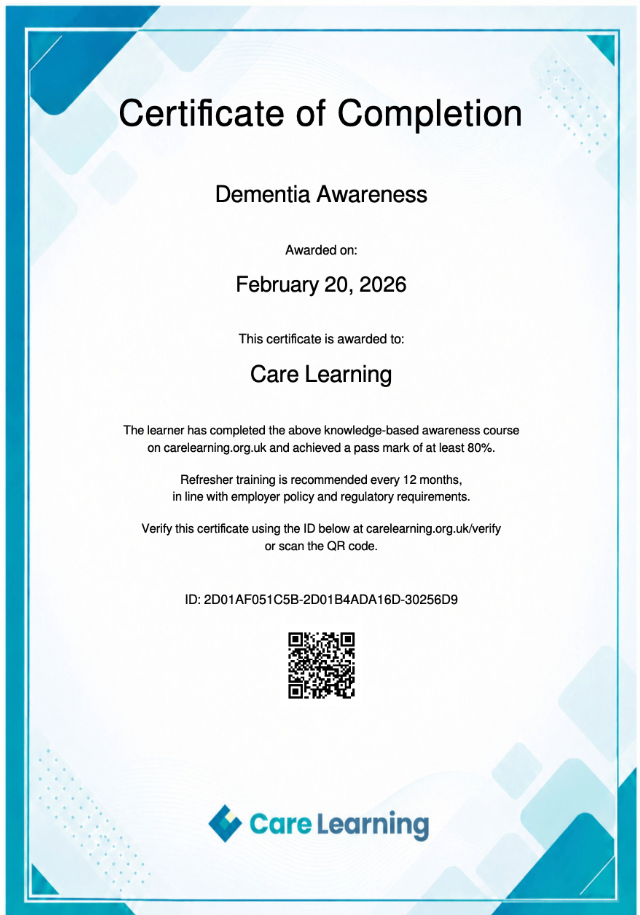
Yes. A certificate is issued after successful completion.
This Migraine Awareness Training Course provides a practical foundation for recognising migraine, responding respectfully and understanding when further healthcare support is required. It supports staff to work within appropriate boundaries while recognising the individual nature and potential impact of migraine.
Enrol now to build your understanding of migraine awareness.