This Plain English Writing Training Course is designed for workers who prepare workplace or service communications. It develops practical skills for writing information that readers can find, understand and use while preserving the accuracy, detail and authorised meaning of the original content.
This free course covers reader-focused writing, planning and drafting, familiar language, clear structure, accessible communication, professional boundaries and final checking. Learners also explore practical examples from health and social care, housing and homelessness, education and youth work, charities, community organisations and public services, before considering common writing problems and ways to improve their skills over time.
Why Take This eLearning Course?
Clear workplace writing helps people understand important information, identify what they need to do and respond appropriately. This course provides a practical approach to producing communication that is clear and respectful without losing necessary detail, changing authorised meaning or working beyond professional responsibilities.
This course will help you to:
- Write workplace information with the intended reader in mind.
- Make the purpose of a message easier to identify.
- Present required actions and next steps clearly.
- Replace unnecessary jargon and formal wording with familiar language.
- Organise information using useful headings and manageable sections.
- Preserve important conditions, warnings and approved information when simplifying text.
- Consider accessibility and different communication needs.
- Use respectful language that avoids assumptions and unnecessary barriers.
- Check written information for accuracy, consistency and ambiguity before sending it.
- Apply plain English principles across different workplace and service settings.
Learning Outcomes
By the end of this course, you will be able to:
- Define plain English writing and explain its purpose.
- Identify the audience, purpose, context and required action before drafting.
- Apply the main principles of clear, relevant and reader-focused writing.
- Prepare appropriate source information, organisational requirements and writing tools.
- Draft workplace information using familiar words, direct wording and manageable sentences.
- Structure instructions, responsibilities, deadlines and next steps logically.
- Check written information against authorised sources before finalising it.
- Explain key accessibility, inclusion, equality and tone considerations.
- Recognise professional boundaries and identify when specialist or supervisory support is required.
- Identify and correct common problems that make workplace writing difficult to understand or use.
Plain English Writing Course Outline
The course is organised into six modules, moving from the foundations of plain English through planning, drafting and checking to accessibility, professional responsibilities, sector examples and ongoing improvement.
Module 1: Understanding Plain English Writing
Learners will explore what plain English means and how reader focus, familiar language, clear structure, direct wording and usable information work together. The module explains the purpose and practical benefits of clear workplace communication, including easier navigation, clearer actions and fewer avoidable misunderstandings. Learners will also consider the limits of plain English, including the need to retain essential detail, protect authorised clinical, legal, financial, technical or statutory meaning, and recognise when translation, Easy Read, large print, audio or other communication support may be required.
Module 2: Planning Clear and Appropriate Communication
Learners will develop a structured approach to preparing written communication by identifying the reader, purpose, information needs, context and required action before drafting. They will examine the principles of clarity, relevance, familiar words, direct wording, useful headings and manageable sections. The module also covers preparing reliable source information, following required terminology and organisational style, and using approved spelling, grammar or writing tools carefully while retaining responsibility for the accuracy and suitability of the finished content.
Module 3: Drafting Clear and Actionable Content
Learners will follow a practical method for moving from authorised source information to a clear draft. They will consider how to place the purpose and required action early, prioritise information, remove unnecessary lead-ins and organise supporting detail logically. The module explains how familiar language, shorter sentences and consistent terminology can improve readability without making information simplistic. Learners will also examine how to structure instructions, headings, responsibilities, dates, deadlines and final checks so readers can understand what needs to happen next.
Module 4: Checking, Accessibility and Professional Responsibilities
Learners will examine how to finalise written information by checking facts, names, dates, responsibilities, actions, approval routes and organisational processes rather than focusing only on spelling and grammar. They will explore accessible structure, different communication needs and the importance of following identified adjustments or formats. The module also considers respectful and non-stigmatising language, assumptions, power, choice and the effect of tone on readers. Professional boundaries are covered in relation to authorised meaning, information governance, safeguarding arrangements and situations where supervisory, professional or specialist advice should be sought.
Module 5: Applying Plain English Across Services
Learners will apply plain English principles to realistic communication situations across several sectors. Examples include appointment and communication-needs information in health and social care, repair and service messages in housing and homelessness services, meeting and activity information in education, early years and youth work, and service-access information in charities, community organisations and public services. Throughout the examples, learners will consider how to improve presentation and navigation without changing approved decisions, conditions, specialist information or professional responsibilities.
Module 6: Common Problems, Troubleshooting and Ongoing Improvement
Learners will identify common barriers to clear communication, including long introductions, hidden actions, unnecessary jargon, unexplained abbreviations, dense sentences, weak navigation and the accidental loss of important meaning. They will learn how to troubleshoot unclear writing by returning to the authorised source, rebuilding the structure and seeking appropriate review where meaning or authority is uncertain. The module concludes by considering how feedback, recurring questions, organisational guidance and experience can be used to transfer plain English skills to new situations and improve communication over time.
Target Audience
This course is suitable for:
- Health and social care workers who prepare routine written information.
- Housing, homelessness and community service staff.
- Education, early years and youth work professionals.
- Charity and public service employees and volunteers.
- Administrative, customer service and support staff who write for colleagues or service users.
- Managers and professionals responsible for reviewing or improving workplace communication.
No previous specialist knowledge is required.
FAQ
Who is the Plain English Writing Training Course suitable for?
The course is suitable for people who create, edit or review workplace and service communications. It is particularly relevant to health and social care but also includes practical applications for housing, education, youth work, charities, community organisations and public services.
Do I need any previous experience?
No previous specialist writing experience is required. The course introduces the principles of plain English and provides a structured method that can be applied to routine workplace communication.
What will I learn on this course?
You will learn how to identify your reader and purpose, organise essential information, use familiar and direct language, make actions easier to find and check your work for accuracy. The course also covers accessibility, respectful communication, professional boundaries and common writing mistakes.
Will this course help with day-to-day practice?
Yes. The principles can be applied to everyday communications such as emails, letters, appointment information, service messages, instructions, meeting information and other routine workplace content. The course focuses on helping readers understand both the information and any action they need to take.
Does the course cover practical writing skills?
Yes. You will learn a practical process for planning, drafting, structuring, editing and checking written information. This includes working with headings, paragraphs, lists, instructions, deadlines, responsibilities, familiar vocabulary and shorter sentences.
Does it cover accessibility and professional responsibilities?
Yes. The course explains how plain English can support accessible communication while recognising that some readers may require other formats or communication support. It also covers authorised meaning, organisational procedures, information handling, safeguarding routes and when advice should be sought rather than independently changing specialist information.
How long does the course take?
The course is self-paced and usually takes around 1 hour to complete.
Will I receive a certificate?
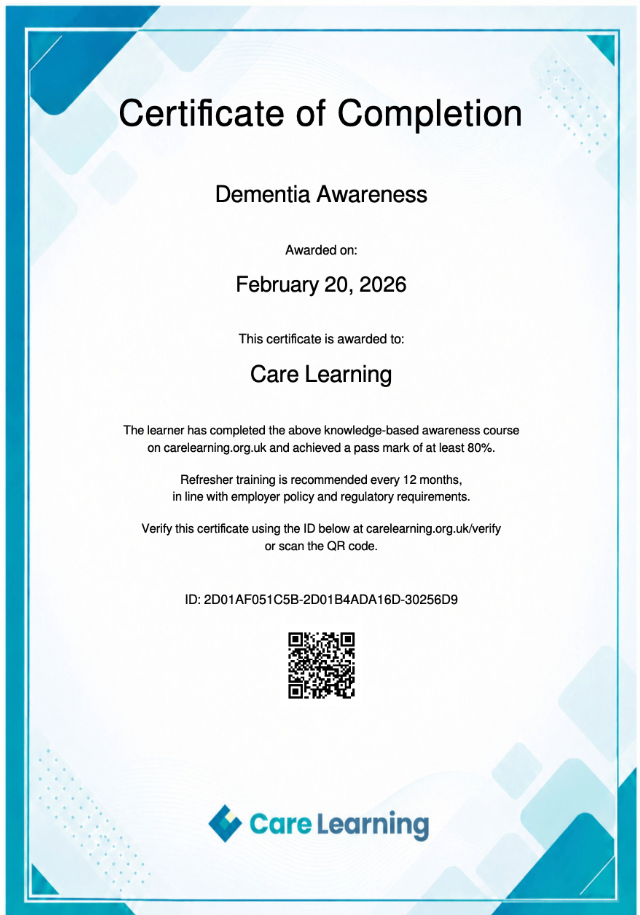
Yes. A certificate is issued after successful completion.
Clear communication is an important workplace skill wherever people need to understand information, make decisions or take action. This course provides a practical framework for producing writing that is easier to use while remaining accurate, respectful, appropriately authorised and suited to the reader.
Enrol now to build your understanding of plain English writing.