
The Trustee Induction and Onboarding Awareness course provides a structured introduction to effective charity trusteeship, onboarding and board participation. It is suitable for new and prospective trustees, board members, governance colleagues and people supporting trustee induction, including those involved with charities delivering health and social care services.
This free course covers the purpose of trustee induction, collective board responsibility, key legal duties, governing documents, conflicts of interest, induction packs, organisational familiarisation and proportionate onboarding programmes. Learners will also explore trustee skills audits, retention, effective board participation, seeking appropriate advice and continuing trustee development.
Why Take This eLearning Course?
Effective induction helps trustees understand both their legal responsibilities and the organisation they have joined. A structured approach can support informed decision-making, appropriate governance boundaries and confident participation without expecting new trustees to understand every aspect of the role immediately.
This course will help you to:
- Understand what effective trustee induction and onboarding should achieve.
- Build confidence in collective board responsibilities and working relationships.
- Recognise the main legal duties associated with charity trusteeship.
- Use governing documents to support appropriate board decisions.
- Identify and manage potential conflicts of interest.
- Organise essential information for new trustees in a manageable way.
- Plan induction activities that build understanding of the charity and its work.
- Adapt onboarding to different levels of experience and learning need.
- Use skills audits to inform trustee and board development.
- Support effective participation, ongoing learning and trustee retention.
Learning Outcomes
By the end of this course, you will be able to:
- Define the purpose of trustee induction and onboarding.
- Explain the collective role of trustees and key governance relationships.
- Distinguish charity trusteeship from other types of board role.
- Describe the main legal duties of charity trustees.
- Explain how the charity’s objects and governing document affect decision-making.
- Identify financial and loyalty conflicts and appropriate ways to manage them.
- Select suitable information, policies and activities for a trustee induction programme.
- Describe how skills audits can support induction, recruitment and board development.
- Explain how trustees can prepare for and contribute to board meetings.
- Identify when further advice, review or continuing development may be required.
Trustee Induction and Onboarding Awareness Course Outline
The course is organised into six modules that take learners from the foundations of trustee induction through legal responsibilities, practical onboarding, board development and ongoing participation.
Module 1: Understanding Trustee Induction and the Trustee Role
Learners will explore the purpose of trustee induction and onboarding, including how structured orientation helps new trustees understand their responsibilities, the charity, expected commitments and board processes. The module explains collective governance, relationships with the chair, chief executive and governance support roles, and the importance of maintaining appropriate boundaries between board oversight and delegated operational management. It also distinguishes charity trusteeship from other board roles, including CIC directorships, and highlights that charity regulation differs across England and Wales, Scotland and Northern Ireland.
Module 2: Legal Duties, Governing Documents and Conflicts of Interest
Learners will examine the main legal responsibilities of charity trustees, including acting within the charity’s purposes, complying with the governing document and law, acting in the charity’s best interests, managing resources responsibly, exercising reasonable care and skill, and maintaining accountability. The module explains how to locate and interpret the charity’s objects, beneficiaries, powers and restrictions. It also covers financial and loyalty conflicts, early declaration, relevant governance rules, participation restrictions, record keeping and circumstances where independent advice may be appropriate.
Module 3: Building an Effective Trustee Induction Pack and Organisational Understanding
Learners will identify the information that should form the foundation of a practical trustee induction pack, including governance documents, current plans, annual reports and accounts, board information and organisational contacts. The module introduces relevant governance and operational policies, including conflicts of interest, codes of conduct, financial controls, safeguarding and data protection where appropriate to the charity’s activities. Learners will also consider how introductions, staff contact, beneficiary engagement, visits, stakeholder awareness and peer support can provide useful context while respecting privacy, safeguarding and governance boundaries.
Module 4: Planning a Proportionate Trustee Onboarding Programme
Learners will consider the steps between formal appointment and active participation in board meetings, including appointment checks, eligibility considerations, access to documents and practical meeting preparation. The module explains how induction can be spread across manageable stages using essential information, focused briefings, meetings, organisational experience and follow-up support. It also explores how induction can be adapted for trustees with different professional backgrounds, governance experience, accessibility needs and learning preferences while maintaining a consistent core understanding of trustee responsibilities.
Module 5: Trustee Skills, Development and Retention
Learners will explore the purpose of a trustee skills audit and how it can identify both existing board strengths and areas requiring further development. The module examines how audit findings can inform tailored learning, mentoring, training priorities, future recruitment and decisions to seek specialist advice. It also considers how realistic expectations, supportive relationships, opportunities for early contribution, relevant development and regular check-ins can strengthen the onboarding experience and help reduce avoidable trustee disengagement.
Module 6: Effective Participation and Continuing Trustee Development
Learners will examine how new trustees can prepare for board meetings, ask constructive questions, share relevant knowledge, listen to different perspectives and participate in collective decision-making. The module explains when trustees should raise concerns, consult internal governance information or seek suitably qualified professional advice. It concludes by showing how induction can develop into continuing learning through reviews of understanding, feedback on the onboarding process and planned development based on future responsibilities and changing governance needs.
Target Audience
This course is suitable for:
- Newly appointed or prospective charity trustees.
- Existing trustees who want to refresh their understanding of effective onboarding.
- Chairs and board members involved in welcoming new trustees.
- Governance leads and staff who support charity boards.
- Senior staff who work closely with trustees and delegated governance arrangements.
- People supporting boards within charities, including organisations providing health and social care services.
No previous specialist knowledge is required.
FAQ
Who is this course suitable for?
The course is suitable for new and prospective charity trustees, existing board members, chairs, governance colleagues and staff who support trustee induction. It can also support people working with boards in charities delivering health, social care or other community services.
Do I need any previous experience?
No. The course introduces trustee induction, governance responsibilities and board participation from a foundation level. It is suitable for people new to trusteeship as well as those refreshing their knowledge.
What will I learn on this trustee induction course?
You will learn about effective onboarding, collective board responsibility, legal trustee duties, governing documents, conflicts of interest, induction packs, organisational familiarisation, skills audits, board participation and continuing trustee development.
Will this course help with day-to-day practice?
Yes. The course focuses on practical aspects of becoming and supporting a trustee, including preparing for meetings, reviewing board information, managing conflicts, understanding governance boundaries, asking appropriate questions and knowing when further advice may be needed.
Does the course cover practical skills?
The course develops practical governance awareness rather than operational service-delivery skills. It explains how to prepare for board participation, organise induction information, plan onboarding activities, recognise conflicts, contribute to meetings and identify development needs.
Does it cover relevant responsibilities or good practice?
Yes. The course introduces key charity trustee responsibilities, the importance of the governing document, appropriate use of charity resources, accountability, reasonable care and skill, conflicts of interest and the need to obtain appropriate advice where necessary. It focuses primarily on charity trusteeship in England and Wales while recognising that Scotland and Northern Ireland have separate charity regulatory arrangements.
How long does the course take?
The course is self-paced and usually takes around 1 hour to complete.
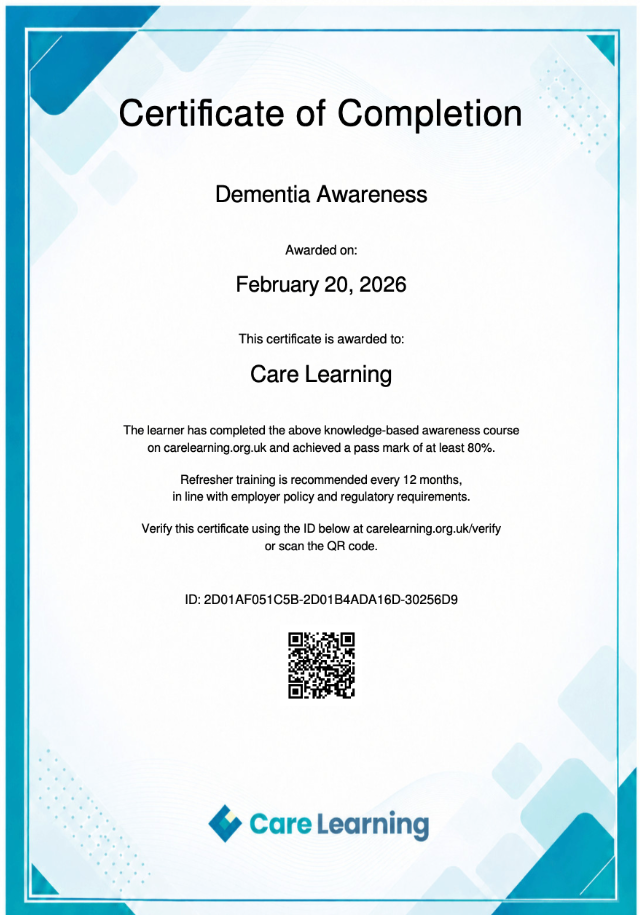
Will I receive a certificate?
Yes. A certificate is issued after successful completion.
Trustee induction is most effective when it gives people a clear foundation while allowing their knowledge to develop through real board experience. This course provides a practical introduction to the responsibilities, relationships, information and continuing support that can help trustees participate confidently and responsibly in collective governance.
Enrol now to build your understanding of trustee induction and onboarding.