The Youth Work Ethics and Professional Practice course is designed for people who work or volunteer with young people across youth centres, schools, community projects, detached youth work and digital settings. It explores the values and professional expectations that support respectful, inclusive and accountable relationships with young people.
This free course covers voluntary participation, informal and non-formal education, empowerment, anti-oppressive practice, professional conduct, the Youth Work Code of Ethics, JNC roles, professional boundaries, confidentiality and ethical digital practice. Learners also consider realistic situations involving discrimination, gifts, personal contact, social media and participation, alongside a practical approach to ethical decision-making and reflection.
Why Take This eLearning Course?
Ethical youth work requires more than knowing organisational procedures. Workers need to understand how values, professional boundaries, power, inclusion and accountability influence everyday decisions. This course supports thoughtful and consistent practice while keeping young people’s rights, voice, participation and development at the centre.
This course will help you to:
- Make more considered, values-led decisions when working with young people.
- Support meaningful choice and voluntary participation wherever possible.
- Create more inclusive opportunities for young people to contribute and take part.
- Recognise power imbalances and barriers that can affect participation.
- Challenge discrimination and exclusion in a respectful, educational way.
- Maintain appropriate professional boundaries in face-to-face and digital relationships.
- Handle confidentiality and personal information more responsibly.
- Understand when an issue falls outside your role and requires further advice.
- Apply professional expectations consistently across online and offline youth work.
- Use reflection and supervision to strengthen future practice.
Learning Outcomes
By the end of this course, you will be able to:
- Define ethics and professional practice within youth work.
- Explain voluntary participation, empowerment and meaningful choice.
- Describe informal and non-formal approaches to learning with young people.
- Identify barriers, inequalities and power imbalances that may affect participation.
- Explain how anti-oppressive and inclusive practice can be applied in different settings.
- Describe key expectations relating to professional conduct, accountability and recognised youth work roles.
- Apply appropriate professional boundaries and explain the limits of confidentiality.
- Identify ethical considerations affecting digital communication, privacy and online youth work.
- Respond appropriately to common situations involving refusal, discrimination, gifts, personal contact and social media.
- Use a structured approach to ethical decision-making and reflective practice.
Youth Work Ethics and Professional Practice Course Outline
The course is organised into six modules, progressing from the foundations of ethical youth work through inclusion, professional responsibilities and boundaries to digital practice and practical ethical decision-making.
Module 1: Foundations of Ethical Youth Work
Learners will explore what ethics and professional practice mean in youth work and how values influence everyday decisions. The module examines the importance of keeping young people’s interests, rights and voice central, maintaining respectful professional relationships and treating people fairly. It also considers voluntary participation and meaningful choice, including situations where attendance has been encouraged or arranged by another service. Learners will examine informal and non-formal education and how conversations, activities and everyday experiences can support learning. The module concludes by exploring empowerment and participation, including how young people can express their views, make informed choices and influence decisions affecting them.
Module 2: Anti-Oppressive and Inclusive Youth Work
Learners will consider how inequality, discrimination and organisational arrangements can affect young people’s experiences and opportunities to participate. The module explores anti-oppressive and inclusive practice through recognising inequality, considering its impact, removing barriers, including different voices and reviewing fairness. Learners will identify sources of exclusion such as worker influence, discrimination, accessibility, communication needs, confidence, cost and organisational arrangements. They will also consider how discriminatory behaviour can be challenged respectfully while supporting learning and reflection. Examples from centre-based, school, community and detached youth work demonstrate how inclusive practice can be adapted to different environments.
Module 3: Professional Ethics, Conduct and Accountability
Learners will examine the National Youth Agency Youth Work Code of Ethics and its expectations for values-led professional conduct across physical and digital settings. The module considers putting young people first, maintaining boundaries, supporting empowerment, promoting inclusion, handling information responsibly and reflecting on professional practice. Learners will explore professional conduct and accountability, including the importance of supervision, feedback and continuing development. The Joint Negotiating Committee framework is introduced to explain recognised Youth Support Worker and Professional Youth Worker grades and the relationship between qualifications and professional status. Learners will also consider the limits of their role and recognise when supervision, management or safeguarding advice should be sought.
Module 4: Professional Boundaries and Confidentiality
Learners will explore how warm and trusting youth work relationships can remain approachable while maintaining a clear professional purpose. The module distinguishes professional relationships from personal friendships and considers the risks associated with dependency, personal benefit and blurred roles. Common boundary pressures involving gifts, favours, secrets, preferential treatment, money, transport, personal contact and communication outside agreed arrangements are examined. Learners will also consider confidentiality, including how to explain its limits, avoid inappropriate promises of secrecy, share information through appropriate procedures and protect records. The module concludes with practical steps for recognising and responding when a professional boundary becomes unclear.
Module 5: Ethical Digital Youth Work
Learners will examine the ethical issues that can arise when youth work takes place through messaging, social media, gaming platforms, video calls and other online environments. The module explores professional boundaries, privacy, safeguarding, accessibility and the use of approved communication systems. Learners will consider the importance of professional accounts, appropriate communication channels and clear expectations about contact times. A practical process is provided for thinking about purpose, consent, privacy, information sharing, approved platforms and record management before digital content is created or shared. The module reinforces that expectations relating to respect, integrity, safeguarding, privacy and professional accountability apply consistently online and offline.
Module 6: Applying Ethical Judgement in Practice
Learners will apply the principles from earlier modules to realistic youth work situations. They will consider how to respond when a young person chooses not to participate, including acknowledging their choice, exploring possible barriers and offering alternative ways to engage. The module examines boundary decisions involving gifts, private contact details, personal social media requests and out-of-hours digital communication. Learners will also consider proportionate responses to discriminatory language, stereotyping and exclusion while maintaining opportunities for education and reflection. The course concludes with a straightforward ethical decision-making and reflection process that considers the young person’s perspective, professional boundaries, fairness, organisational expectations, the need for advice and opportunities for learning from experience.
Target Audience
This course is suitable for:
- Youth workers and youth support workers.
- People volunteering in youth clubs, projects or community programmes.
- Staff supporting young people in school-based or targeted youth provision.
- Community and detached youth work practitioners.
- Supervisors, project leads and managers responsible for youth work practice.
- People preparing for or developing within a youth work role.
No previous specialist knowledge is required.
FAQ
Who is this course suitable for?
This course is suitable for people working or volunteering with young people in youth centres, schools, community settings, detached provision or digital youth work. It can also support supervisors and managers who need a clear understanding of ethical and professional youth work expectations.
Do I need any previous experience?
No previous specialist knowledge is required. The course introduces the key principles clearly and is suitable both for people developing their understanding of youth work and those looking to refresh their professional knowledge.
What will I learn on this youth work ethics course?
You will learn about ethical values, voluntary participation, empowerment, inclusion, professional conduct, recognised youth work roles, boundaries, confidentiality, digital communication and ethical decision-making. You will also explore how these principles can be applied to realistic situations involving young people.
Will this course help with day-to-day practice?
Yes. The course connects ethical principles with situations workers may encounter in everyday youth work, including reluctance to participate, discriminatory behaviour, gifts, personal contact, social media communication and uncertainty about professional boundaries.
Does the course cover practical skills?
The course focuses on practical professional judgement rather than physical skills. It provides approaches that can be used to identify barriers, maintain boundaries, challenge exclusion, communicate expectations and make more structured ethical decisions.
Does it cover relevant responsibilities or good practice?
Yes. The course considers professional accountability, safeguarding responsibilities, confidentiality, information handling, organisational procedures, supervision and the importance of recognising when advice or escalation is required. It also introduces the Youth Work Code of Ethics and the JNC framework as they relate to professional youth work practice.
How long does the course take?
The course is self-paced and usually takes around 1 hour to complete.
Will I receive a certificate?
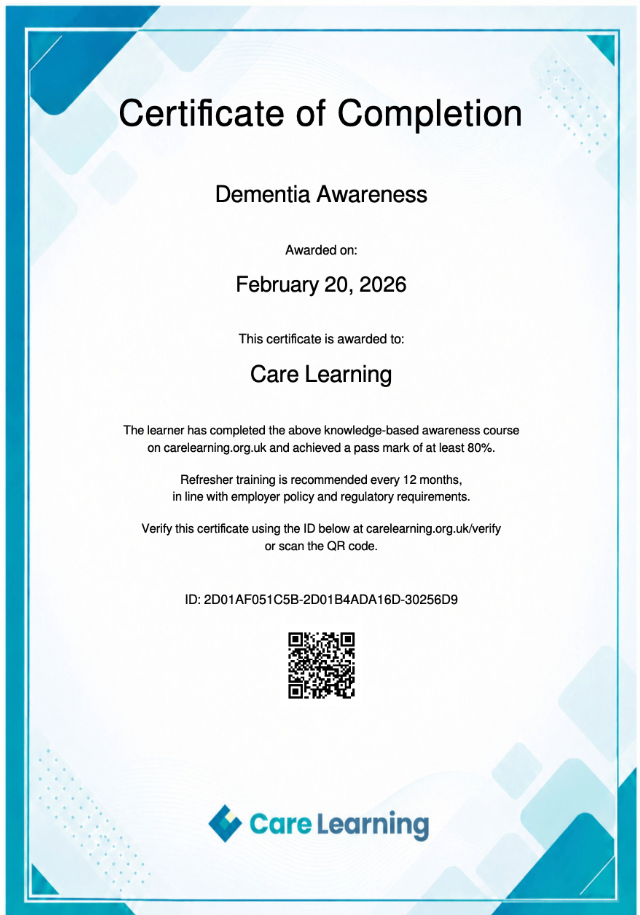
Yes. A certificate is issued after successful completion.
The Youth Work Ethics and Professional Practice course provides a practical foundation for working with young people in a respectful, inclusive and professionally accountable way. It supports learners to connect ethical values with everyday decisions and to recognise when reflection, supervision or further guidance is needed.
Enrol now to build your understanding of youth work ethics and professional practice.