
This online course introduces anti-bullying awareness for teaching assistants, lunchtime supervisors and pastoral staff in primary and secondary schools. It explores how everyday interactions, inclusive routines and reliable reporting can support pupils’ experience of school.
The course covers physical, verbal, social and online bullying, possible signs of concern, supportive listening and professional boundaries. It is England-focused, with signposting to the different guidance routes in Scotland, Wales and Northern Ireland. It supports awareness alongside school policies and safeguarding induction.
Why Take This eLearning Course?
Support staff see pupils in many parts of the school day. Understanding what to notice, how to listen and where to share concerns helps staff contribute to a consistent school response.
This course will help you to:
- Recognise less visible bullying and exclusion.
- Understand the difference between conflict and bullying concerns.
- Avoid assumptions based on a pupil’s reputation or appearance.
- Support access to trusted adults and appropriate help.
- Contribute to inclusive lunchtime, classroom and playground routines.
- Understand why reporting needs follow-through.
- Keep clear boundaries around investigation and individual decisions.
- Recognise when national guidance and local procedures differ.
Learning Outcomes
By the end of this course, you will be able to:
- Define the main features and forms of bullying.
- Describe possible effects on school participation and relationships.
- Identify observations and experiences that may prompt concern.
- Explain why online and school relationships can overlap.
- Identify the policies and contacts that guide the staff role.
- Describe supportive listening and factual reporting.
- Explain support and accountability without labelling children.
- Outline contributions to prevention, follow-through and school-led review.
Anti-Bullying Awareness for School Staff Course Outline
The course contains six modules with short lessons covering everyday anti-bullying awareness and role boundaries.
Module 1: Understand bullying and its effects
Learners will explore harmful behaviour, repetition, unequal power and intent within an England-focused definition. The module distinguishes bullying concerns from conflict, describes possible effects on school life and introduces physical, verbal and social forms of bullying without requiring staff to decide individual cases.
Module 2: Know how to recognise concerns
Learners will consider how information about a concern can emerge, including online experiences and changes in participation, relationships or routines. The module explains why observations are not proof and why quiet exclusion, communication barriers or an apparently confident presentation can make experiences less visible.
Module 3: Know school policies and role boundaries
Learners will identify relevant policies, reporting routes and everyday contributions to prevention. The module distinguishes UK national guidance and explains why safeguarding concerns should not wait for the usual contact to return. It sets clear limits around investigation, sanctions, device searches and unsafe mediation.
Module 4: Know how to support pupils within policy
Learners will examine calm listening, honest reassurance, factual reporting and appropriate privacy. The module covers support for children experiencing bullying and those displaying harmful behaviour, keeping dignity, accountability and safeguarding needs in view.
Module 5: Understand a positive anti-bullying culture
Learners will explore how adult behaviour, inclusive routines and school-led review contribute to prevention. The module considers safe peer support, authorised family communication, staff consistency and pupil voice without making children responsible for confronting harm.
Module 6: Know how to sustain awareness
Learners will identify barriers to speaking up and the need for support after a report. The module explains the role of escalation arrangements when concerns remain unaddressed, contributions to ongoing improvement and the main messages for everyday practice.
Target Audience
This course is suitable for:
- Teaching assistants and learning support assistants.
- Lunchtime and playground supervisors.
- Pastoral support staff.
- School staff supporting pupils during transitions and shared activities.
- New or temporary school support staff completing local induction.
No previous specialist knowledge is required.
FAQ
Who is this anti-bullying awareness course suitable for?
It is designed for school staff who support pupils in primary and secondary settings, particularly teaching assistants, lunchtime supervisors and pastoral teams.
Do I need any previous experience?
No. The course introduces the topic in plain language and keeps the focus on awareness and the everyday staff role.
What will I learn on this course?
You will learn about bullying concerns, possible effects, inclusive routines, supportive listening and school-policy reporting. You will also explore the boundaries of an awareness-level role.
Will this course help with day-to-day practice?
It can support understanding of interactions during lessons, lunch, play and transitions. Staff still need the school’s current policies, named contacts and local induction.
Does the course cover practical skills?
The course provides awareness learning. It does not assess practical competence or train staff to investigate, adjudicate incidents, search devices or mediate unsafe situations.
Does it cover relevant responsibilities or good practice?
Yes. It covers role boundaries, reporting, privacy and everyday prevention. It does not replace England’s KCSIE Part One reading requirement, safeguarding training or the relevant guidance and procedures in other UK nations.
How long does the course take?
The course is self-paced and usually takes around 1 hour to complete.
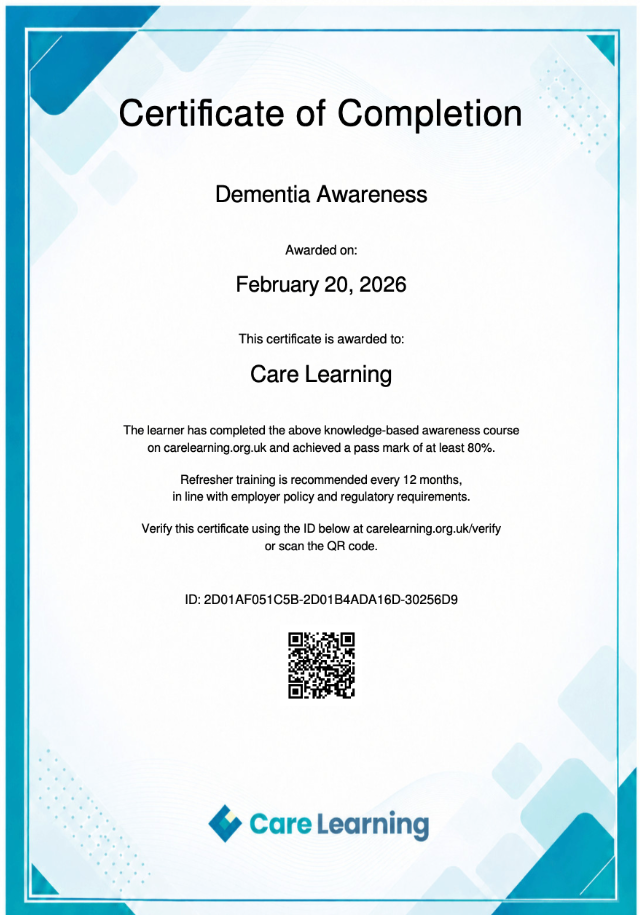
Will I receive a certificate?
Yes. A certificate is issued after successful completion.
A consistent approach begins with understanding what to notice and how to contribute within the school staff role. This course supports informed, respectful participation in the school’s anti-bullying arrangements.
Enrol now to build your understanding of anti-bullying awareness in schools.