Communication Friendly Classrooms is an introductory online course for education professionals who want to understand how everyday classroom conditions affect communication. It is suitable for teachers, teaching assistants, SENCOs, speech and language therapists and early years practitioners working in primary, secondary and specialist settings.
The course explores classroom noise and layout, visual supports, predictable routines, clear explanations, processing time and ways to check understanding. It connects communication with vocabulary, literacy, participation and wellbeing, while explaining the distinct roles of classroom support and specialist provision.
Why Take This eLearning Course?
Communication barriers can make learning and participation harder to access. Understanding those barriers helps education teams consider everyday provision, work with children and families and recognise when professional advice is needed.
This course will help you to:
- Recognise communication demands within ordinary classroom activities
- Understand how the physical environment can support access
- Consider clear language, useful cues and time to respond
- Make sense of the link between language and literacy
- Understand inclusive opportunities for discussion and peer participation
- Value children’s different communication methods and home languages
- Distinguish educational support from specialist assessment and therapy
- Recognise relevant England guidance and professional boundaries
Learning Outcomes
By the end of this course, you will be able to:
- Define speech, language and communication
- Describe features of a communication friendly classroom
- Explain how noise, layout, visual supports and routines affect access
- Identify everyday interaction approaches that support understanding
- Describe vocabulary teaching, shared reading and purposeful peer talk
- Explain the limits of research averages and outcome promises
- Outline collaboration with children, families and relevant professionals
- Distinguish agreed communication-aid support from specialist decisions
- Identify England-focused responsibilities and safeguarding limits
- Outline a short recap and continuing review of provision
Communication Friendly Classrooms Course Outline
The course contains six modules covering 24 short lessons, including a concise recap.
Module 1: Communication and Classroom Access
Learners will explore speech, language and communication, then consider what makes a classroom communication friendly. The module explains how language connects with reading and writing and how barriers can affect participation, relationships and expressions of distress. It keeps a clear distinction between noticing a barrier and diagnosing a condition.
Module 2: The Classroom Environment
Learners will consider background noise, sightlines, lighting, resources and visual clutter. The module introduces different visual supports and explains how familiar routines and accessible information about change can support children. It recognises that useful arrangements vary between children and activities.
Module 3: Everyday Interactions
Learners will examine manageable instructions, plain explanations, processing time and varied response methods. The module describes ways to check meaning and support shared conversation without assuming that fluent speech, eye contact or compliance proves understanding. It distinguishes everyday interaction from therapeutic approaches.
Module 4: Language Across the Curriculum
Learners will explore vocabulary teaching, shared reading and purposeful discussion across subjects. The module explains what oral language evidence can tell education teams and why research averages do not guarantee individual results. Inclusive peer talk and respect for home languages are considered alongside the distinction between learning English and having a special educational need.
Module 5: Individual Needs and Specialist Support
Learners will consider varied communication strengths and barriers, collaboration with children and families and support for existing agreed communication aids. The module distinguishes universal classroom provision, targeted educational support and specialist speech and language therapy. It explains the value of co-ordinated local advice while keeping clinical and eligibility decisions outside the course.
Module 6: Responsibilities and Continuing Review
Learners will identify relevant England guidance, applicable early years requirements and current inspection themes. The module includes the distinction between general screen-use advice and assistive communication technology, alongside safeguarding and professional boundaries. A short recap brings together everyday access, shared review and the continuing role of qualified judgement.
Target Audience
This course is suitable for:
- Teachers in primary, secondary and specialist settings
- Teaching assistants and other classroom support staff
- Special educational needs co-ordinators
- Speech and language therapists working with education teams
- Early years practitioners
No previous specialist knowledge is required.
FAQ
Who is Communication Friendly Classrooms suitable for?
The course is designed for education and early years professionals who want an introductory understanding of communication access. It can support shared awareness across classroom and specialist teams.
Do I need any previous experience?
No. The course explains the main terms and principles in plain language. Experienced staff may also use it to revisit everyday provision and professional boundaries.
What will I learn on this course?
You will learn about accessible environments, clear classroom language, processing time, comprehension, vocabulary, shared reading and inclusive participation. The course also covers collaboration and the separate purposes of classroom support and specialist provision.
Will this course help with day-to-day practice?
It can help staff recognise communication barriers and describe approaches that support participation. Individual arrangements still depend on children’s needs, existing plans, local policy and appropriate professional advice.
Does the course cover practical skills?
The course provides practical awareness of everyday classroom approaches. It does not establish clinical competence, teach treatment techniques or qualify learners to select communication systems independently.
Does it cover relevant responsibilities or good practice?
Yes. It introduces England-focused education and early years guidance, inspection themes, safeguarding boundaries and the need for qualified advice. It does not replace statutory guidance, safeguarding induction or the requirements applicable in another UK nation.
How long does the course take?
The course is self-paced and usually takes around 1 hour to complete.
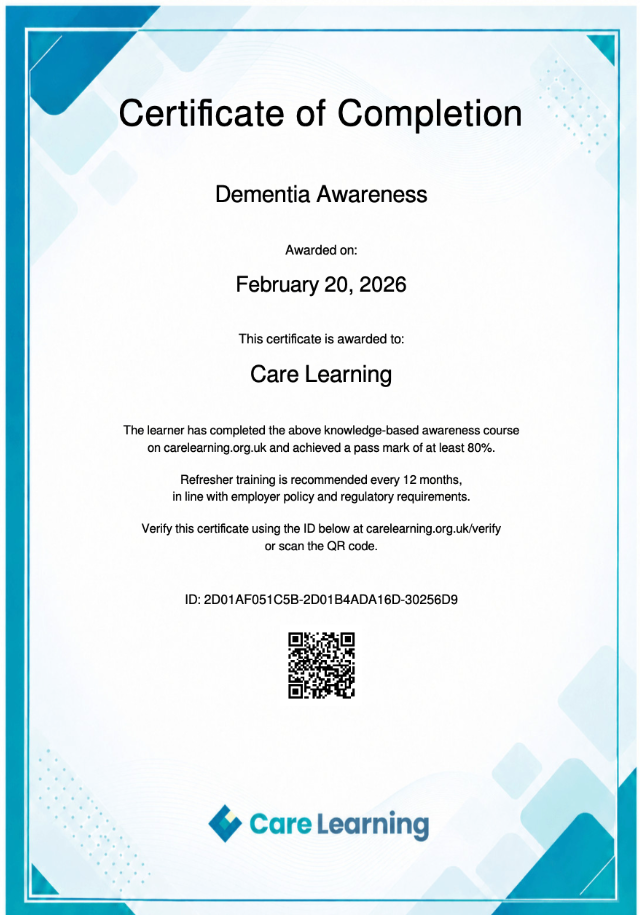
Will I receive a certificate?
Yes. A certificate is issued after successful completion.
Communication friendly classrooms make room for different ways of understanding and contributing. This course helps education teams build shared awareness while keeping individual support within appropriate professional arrangements.
Enrol now to build your understanding of communication friendly classrooms.