This foundational online course is for counsellors, psychotherapists and counselling students working with under-18s. It explores how development, relationships and the setting shape counselling with children and adolescents.
The course covers creative approaches, adolescent identity and peer relationships, parent and carer involvement, consent, confidentiality and safeguarding. It also explains the school counselling context and the purpose of local mental health referral pathways.
Why Take This eLearning Course?
Work with children and young people involves responsibilities that differ from adult counselling. Understanding these differences can support professional reflection and help practitioners recognise where specialist knowledge, supervision or current guidance is needed.
This course will help you to:
- Recognise how development can affect communication and the counselling relationship.
- Understand the place of play, drawing, story and sand tray work.
- Appreciate adolescents’ experiences of autonomy, identity and belonging.
- Distinguish supportive family involvement from access to confidential information.
- Recognise the separate questions raised by consent and information handling.
- Understand safeguarding responsibilities and the limits of a counsellor’s role.
- Identify pressures and boundaries within school counselling.
- Understand why CAMHS access and referral requirements vary locally.
Learning Outcomes
By the end of this course, you will be able to:
- Describe how development and relationship experiences can shape counselling.
- Identify creative methods and explain the limits of interpretation.
- Explain relational challenges associated with adolescence and peer relationships.
- Describe parent and carer roles and the relevance of parental responsibility.
- Explain informed consent, Gillick competence and confidentiality at awareness level.
- Identify why consent and family disagreements require qualified consideration.
- Describe safeguarding responsibilities and distinguish them from mental health referral.
- Explain the school counselling context and its privacy and service boundaries.
- Outline the purpose of referral thresholds, clear information and service continuity.
Counselling Children and Young People Course Outline
Module 1: Child Development and the Therapeutic Relationship
Learners will explore physical, cognitive, language, emotional and social development, alongside attachment, family transitions and trust. The module describes foundations of a professional therapeutic relationship, communication access and developmental inclusion. It also explains why awareness learning cannot replace relevant training or supervised practice.
Module 2: Therapeutic Approaches with Children
Learners will examine the place of play and creative expression within counselling. Drawing, story, sand tray materials and objects are introduced as possible forms of communication, with attention to choice and personal meaning. The module explains the limits of interpretation and the need for appropriate competence, supervision and suitable provision.
Module 3: Counselling Adolescents
Learners will consider autonomy, adult authority and the different expectations that can accompany a referral. Identity, belonging, friendships and digital experiences are explored without assuming that the same experience affects every young person in the same way. Professional boundaries, breaks and endings complete the module.
Module 4: Working with Parents and Carers
Learners will explore practical family support and the distinction between caregiving relationships and legal responsibilities. The module covers agreements about involvement, contact and information, while keeping the young person’s perspective visible. It identifies family tensions and safety concerns that need qualified professional consideration.
Module 5: Consent and Confidentiality with Minors
Learners will distinguish informed consent, voluntary participation, confidentiality and the legal basis for handling information. Gillick competence, age-related law and parental consent are introduced within their legal and professional context. The module explains why disagreements, refusal and disclosure questions cannot be resolved by a universal rule in an awareness course.
Module 6: Safeguarding in Children’s Counselling
Learners will distinguish safeguarding, child protection and mental health care. The module considers concerns without offering diagnostic or investigative instructions, then explains the purpose of safeguarding referrals and justified information sharing. Current guidance, supervision, accountability and professional responsibilities remain central to the discussion.
Module 7: Working in Schools
Learners will examine counselling alongside pastoral provision, school organisation and specialist services. Privacy, appointment information, feedback expectations and access to session content are distinguished. The module considers timetable pressures, continuity and the links between counselling provision and the school’s safeguarding arrangements.
Module 8: When to Refer to CAMHS
Learners will explore specialist, community, school and voluntary support pathways. The module explains the purpose and limits of local referral thresholds, the features of clear referral information and the receiving service’s role. Referral outcomes, waiting arrangements, continuity and a concise course recap bring the content together.
Target Audience
This course is suitable for:
- Counsellors working with children and young people.
- Psychotherapists whose practice includes under-18s.
- Counselling students on relevant training or placements.
- School counsellors and counselling-service staff.
- Counsellors in voluntary-sector children and young people’s services.
- Private practitioners reviewing the boundaries of work with under-18s.
No previous specialist knowledge is required. This introductory course does not qualify someone to provide counselling or replace professional training, placement requirements or supervision.
FAQ
Who is this counselling children and young people course suitable for?
It is designed for counsellors, psychotherapists and counselling students whose work or training involves under-18s, including school, voluntary-sector and private-practice settings.
Do I need any previous experience?
The content is foundational and suitable for an introductory review of the topic. Providing counselling requires appropriate professional preparation; completing this course does not establish clinical competence.
What will I learn on this course?
You will explore development, therapeutic relationships, creative expression, adolescent experiences and family involvement. You will also learn about consent, confidentiality, safeguarding, school-service boundaries and local referral pathways.
Will this course help with day-to-day practice?
It can support awareness and professional reflection by explaining the issues that shape work with under-18s. Individual practice decisions remain within the practitioner’s role, competence, supervision and applicable service arrangements.
Does the course cover practical skills?
It introduces approaches and responsibilities at awareness level. It does not teach treatment techniques, provide a competence assessment or supply procedures for use with an individual child.
Does it cover relevant responsibilities or good practice?
Yes. It explains consent, confidentiality, safeguarding and professional boundaries, with England guidance distinguished from other UK nations. It does not determine legal consent, safeguarding action or service eligibility in an individual case.
How long does the course take?
The course is self-paced and planned to take around 1.5 hours to complete.
Will I receive a certificate?
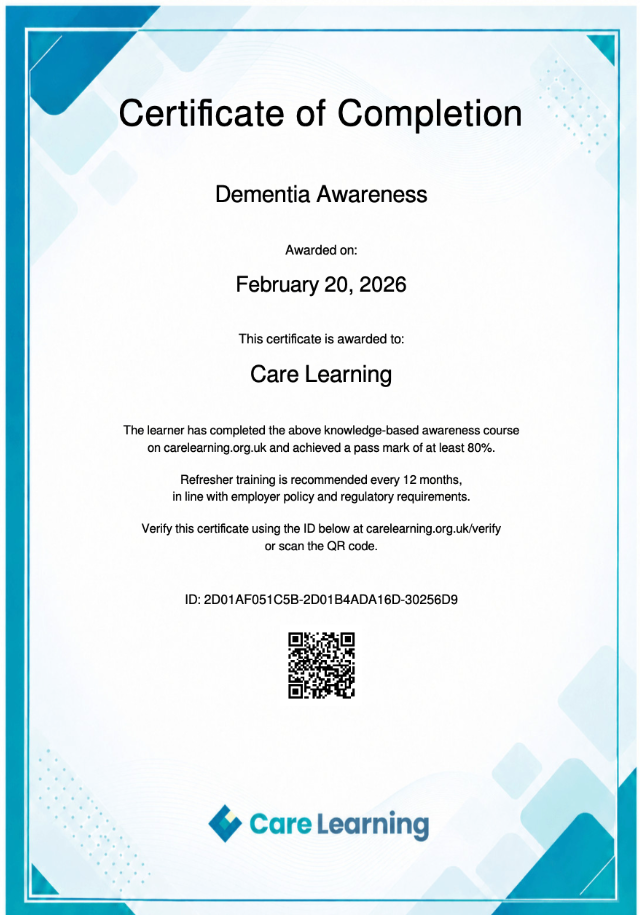
Yes. A certificate is issued after successful completion.
Understanding the relationships between development, family involvement, confidentiality and service responsibilities helps place counselling with under-18s in its professional context. This course offers a structured introduction to those connected areas and the need for current guidance and qualified judgement.
Enrol now to build your understanding of counselling children and young people.