
This Peer Support in Mental Health course is designed for people working in or alongside mental health services who want to understand the purpose, principles and practical application of peer support. It explores how lived-experience expertise can contribute to recovery-focused support while maintaining clear responsibilities, safe boundaries and respect for other professional roles.
This free course covers the values that underpin peer support, different models and settings, evidence and outcomes, purposeful use of lived experience, confidentiality, escalation, multidisciplinary working, mental health law and the organisational arrangements needed to develop a supported and sustainable peer workforce.
Watch the course trailer

Captions are available in the player (CC). The video plays from YouTube, which only loads when you press play.
Why Take This eLearning Course?
Peer support can make a distinctive contribution to mental health services when lived experience is used thoughtfully, roles are clearly defined and workers receive appropriate organisational support. This course helps learners understand both the potential of peer support and the practical boundaries needed for safe, respectful and effective practice.
This course will help you to:
- Understand what makes peer support distinct from other support roles
- Recognise the value of lived-experience expertise within mental health services
- Apply principles of mutuality, choice, hope, inclusion and shared learning
- Understand formal, informal, community and digital approaches to peer support
- Use lived experience purposefully while maintaining appropriate boundaries
- Recognise when advice, referral or escalation is required
- Work more confidently alongside clinical, social care and voluntary-sector colleagues
- Understand how peer support can contribute to person-centred and joined-up care
- Recognise workforce challenges such as role drift, tokenism and power imbalance
- Support fair, well-supervised and sustainable peer-support roles
Learning Outcomes
By the end of this course, you will be able to:
- Define peer support and explain the contribution of lived-experience expertise
- Describe the main values and principles that underpin peer-support relationships
- Distinguish peer support from befriending, volunteering, advocacy and clinical care
- Identify different peer-support models, formats and service settings
- Describe outcomes associated with peer support and explain why evidence varies
- Apply appropriate principles to self-disclosure, confidentiality and role boundaries
- Identify common peer-support worker responsibilities and limits
- Recognise situations requiring advice, referral or escalation
- Explain how peer workers contribute within multidisciplinary and cross-sector teams
- Describe organisational approaches that support fair employment, supervision and effective implementation
Peer Support in Mental Health Course Outline
Module 1: Foundations, Values and the Place of Peer Support
Learners will explore what peer support means and how relevant shared experience can create mutual understanding, shared learning and experiential knowledge. The module examines mutuality, reciprocity, respect, hope, choice, strengths and inclusion, while explaining how peer support differs from friendship, befriending, general volunteering, formal advocacy and clinical care. Learners will also consider the development of peer-support roles within English mental health policy, workforce planning and service models, including the importance of clear recruitment, training, supervision and defined responsibilities.
Module 2: Models and Settings for Peer Support
Learners will examine how peer support can be organised and delivered through structured one-to-one work, facilitated groups and planned programmes, from agreeing the purpose of support through to reviewing its effectiveness. The module also considers informal mutual support, community-led groups and voluntary, community and social enterprise provision, alongside online, telephone and hybrid approaches. Examples from community services, inpatient settings and recovery colleges demonstrate how peer-support principles can be adapted to different environments while maintaining role clarity and appropriate boundaries.
Module 3: Outcomes, Evidence and Appropriate Claims
Learners will consider outcomes that may be associated with peer support, including hope, empowerment, confidence, social connection, service engagement and personal recovery. The module explores how lived-experience roles can influence teams and service culture, while recognising that one peer worker cannot represent every person’s experience. Learners will also examine why research findings vary across populations, settings and peer-support models, and how to distinguish reasonable evidence-based claims from unsupported assumptions about universal effectiveness, clinical outcomes or value for money.
Module 4: Purposeful Practice, Boundaries and Safe Escalation
Learners will explore how lived experience can be shared selectively and purposefully to support another person’s needs, goals and understanding without shifting attention towards the peer worker. The module covers common activities such as supportive listening, recovery sharing, goal support, community connection, group facilitation and contribution to team discussions. It also addresses confidentiality, personal and professional boundaries, supervision and the importance of recognising when concerns about safety, safeguarding, health, legal matters or other issues need advice, referral or escalation through agreed service procedures.
Module 5: Professional Collaboration, Legal Awareness and Joined-Up Care
Learners will examine the distinction between lived-experience expertise and clinical or professional expertise and consider how these different forms of knowledge can work alongside one another. The module explores collaboration with healthcare professionals, social care colleagues and voluntary-sector organisations while maintaining clear accountability and role limits. Learners will also develop awareness of the mental health legal framework, including the Mental Health Act and the phased implementation of reforms following the Mental Health Act 2025, as well as the importance of current regulatory and organisational guidance. The module concludes by considering how peer support can strengthen recovery-focused, strengths-based, participative and coordinated care.
Module 6: Building and Sustaining an Effective Peer Workforce
Learners will explore organisational challenges that can undermine peer roles, including ambiguity, role drift, tokenism and power imbalances. The module considers fair employment, transparent recruitment, appropriate pay, workforce benefits and meaningful career development for peer workers. It also examines induction, role-specific training, reflective supervision, peer networks, team support and proportionate wellbeing arrangements. Finally, learners will consider how managers and commissioners can embed and evaluate peer support as a distinctive contribution to services without using it as a substitute for appropriately qualified clinical or professional staffing.
Target Audience
This course is suitable for:
- Peer support workers and people preparing to enter peer-support roles
- Mental health support workers and recovery-focused practitioners
- NHS and independent mental health service staff
- Social care professionals working alongside mental health services
- Staff and volunteers within voluntary, community and social enterprise organisations
- Managers, team leaders and commissioners involved in developing peer-support services
No previous specialist knowledge is required.
FAQ
Who is this course suitable for?
This course is suitable for people working in, entering or supporting peer roles within mental health services. It is also relevant to managers, multidisciplinary colleagues, voluntary-sector staff and others who need to understand how peer support should operate within a clearly defined service model.
Do I need any previous experience?
No previous specialist knowledge is required. The course introduces the main principles, models, responsibilities and workforce considerations in a clear way that is suitable for both new learners and people already working alongside peer-support services.
What will I learn on this peer support in mental health course?
You will learn what peer support is, how lived-experience expertise differs from clinical and professional expertise, how support can be delivered in different settings and how peer workers can use their experience safely and purposefully. The course also covers evidence, confidentiality, boundaries, escalation, multidisciplinary working, legal awareness and workforce support.
Will this course help with day-to-day practice?
Yes. The course focuses on practical issues that may arise in peer-support work, including listening, sharing lived experience, maintaining boundaries, connecting people with support, contributing within teams and recognising when a situation needs to be referred or escalated.
Does the course cover practical skills?
The course develops practical understanding of supportive listening, purposeful self-disclosure, recovery-focused conversations, goal support, community connection, group work, confidentiality and professional boundaries. It also explains how these activities should remain within the responsibilities of the individual peer role.
Does it cover relevant responsibilities and good practice?
Yes. The course covers role boundaries, confidentiality, safeguarding and escalation procedures, multidisciplinary responsibilities and awareness of the legal and regulatory context of English mental health services. It also emphasises the need to follow current organisational policies, guidance and local procedures.
How long does the course take?
The course is self-paced and usually takes around 1 hour to complete.
Will I receive a certificate?
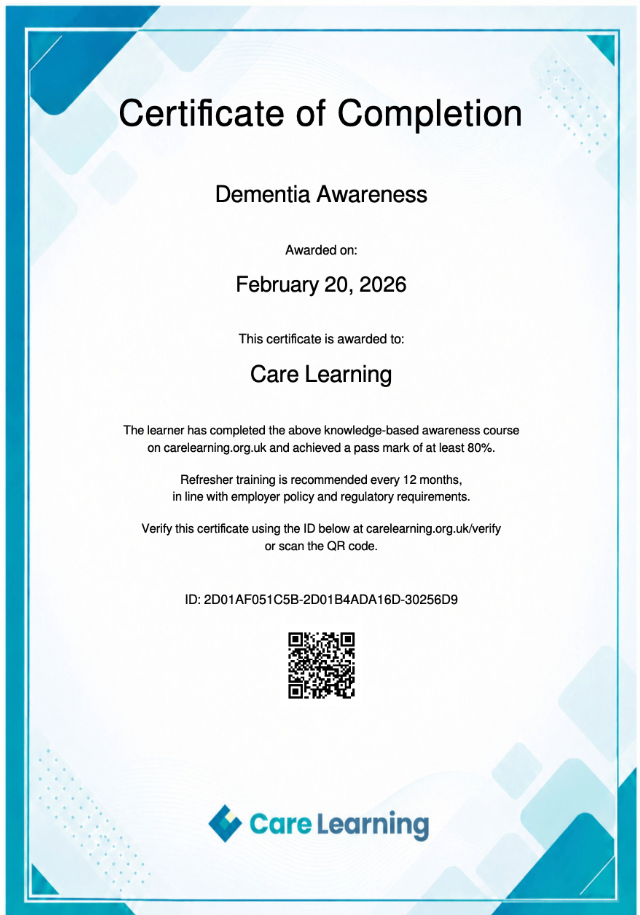
Yes. A certificate is issued after successful completion.
Peer support can strengthen recovery-focused mental health services when its distinctive purpose is understood, respected and properly supported. This course provides a clear foundation for using lived-experience expertise responsibly, working effectively with other services and maintaining the boundaries needed for safe and sustainable practice.
Enrol now to build your understanding of peer support in mental health.