
This Immunisation and Vaccination Awareness Training Course is designed for health and social care workers who need a clear understanding of vaccination programmes, vaccine uptake and safe professional practice. It provides awareness-level knowledge to help learners communicate accurately, recognise when further advice is required and support people to access appropriate vaccination services.
This free course covers core vaccination and immunity concepts, the UK life-course immunisation programme, vaccine-preventable diseases, uptake and inequalities, barriers to vaccination, respectful communication, vaccine concerns, cold-chain principles, professional boundaries, incident reporting and practical workplace scenarios. Learners are encouraged to use current published guidance rather than relying on memory when programme details or eligibility may change.
Why Take This eLearning Course?
Vaccination programmes involve more than knowing which vaccines are available. Staff may need to explain general information, respond to questions, recognise barriers to uptake, check appropriate sources and understand when a clinical, storage or eligibility issue must be escalated. This course supports informed, respectful and role-appropriate practice.
This course will help you to:
- Explain essential vaccination and immunisation terminology clearly.
- Understand how vaccines support individual and community protection.
- Recognise the benefits and limitations of vaccination.
- Use current immunisation guidance and programme information appropriately.
- Understand how vaccination coverage data can identify gaps in uptake.
- Recognise practical, communication and access barriers to vaccination.
- Approach vaccine concerns through respectful, person-centred conversations.
- Understand cold-chain principles and appropriate action when storage is uncertain.
- Maintain clear professional boundaries around eligibility, administration and clinical advice.
- Respond appropriately to common vaccination scenarios in primary care, schools, community services and pharmacies.
Learning Outcomes
By the end of this course, you will be able to:
- Define vaccination, immunisation, immunity and vaccine-preventable disease.
- Explain how vaccines support immune protection and community immunity.
- Describe how current schedules and the Green Book guide vaccination practice.
- Outline vaccination across pregnancy, childhood, adolescence, adulthood and older age.
- Distinguish vaccine uptake, coverage and programme targets.
- Identify inequalities and barriers that can affect vaccination access.
- Apply a motivational interviewing-informed approach to vaccination conversations.
- Explain appropriate responses to common MMR/MMRV, HPV and COVID-19 vaccine concerns.
- Describe cold-chain, recording, incident-reporting and escalation principles.
- Identify when vaccination activity requires additional competence, clinical assessment or authorisation.
Immunisation and Vaccination Awareness Training Course Outline
The course is organised into six modules, progressing from essential vaccination concepts and programme awareness through to vaccine uptake, communication, safe practice and applied workplace scenarios.
Module 1: Vaccination, Immunisation and Protection
Learners will develop a clear understanding of vaccination, immunisation, immunity and vaccine-preventable disease, including the difference between giving a vaccine and developing protection. The module explains how vaccines support immune recognition and ongoing protection, why protection can vary between individuals and vaccines, and how community immunity can help reduce opportunities for some infections to spread. Learners will also consider the individual and population benefits of vaccination alongside limitations, uncertainty and the importance of balanced information.
Module 2: UK Immunisation Programmes and Current Guidance
Learners will explore how the current routine immunisation schedule, the Green Book and programme updates support safe and accurate practice. The module introduces vaccination across the life course, including pregnancy, infancy, childhood, school years, adulthood and older age, together with examples of common vaccine-preventable diseases and vaccination programmes. Learners will also consider how to check eligibility, incomplete records, catch-up requirements and programme changes without making clinical decisions outside their role.
Module 3: Vaccine Uptake, Coverage and Access
Learners will examine the meaning of vaccine uptake, coverage and programme targets and consider how population data can help identify differences between areas and groups. The module explains how coverage information, including childhood and programme-specific data, may support service improvement while recognising that figures alone do not explain why people remain unvaccinated. Learners will also explore barriers such as appointment access, communication needs, digital exclusion, trust, consent and incomplete records, alongside the different ways healthcare teams can support vaccination within appropriate professional boundaries.
Module 4: Vaccine Hesitancy and Respectful Communication
Learners will consider the different reasons people may have questions, concerns or uncertainty about vaccination and why non-vaccination should not automatically be described as hesitancy. The module introduces a motivational interviewing-informed approach using open questions, reflective listening, acknowledgement, permission, concise evidence and agreed next steps. It also considers appropriate responses to MMR/MMRV, HPV and COVID-19 vaccine questions and explains how communication can be made accessible, culturally respectful and responsive to individual language, literacy or communication needs.
Module 5: Cold Chain, Safety and Professional Responsibilities
Learners will understand the purpose of the vaccine cold chain, general storage principles and the importance of temperature monitoring, documentation and authorised assessment following a suspected storage failure. The module explains how to respond when vaccination history, clinical safety, eligibility or storage is uncertain and reinforces the need to escalate rather than guess. Learners will also explore role boundaries, authorisation, competence, record keeping, confidentiality, incident reporting, safeguarding and the local routes through which specialist advice should be obtained. This awareness course does not qualify learners to administer vaccines or make independent clinical vaccination decisions.
Module 6: Applying Vaccination Awareness in Practice
Learners will apply the course principles to realistic situations across primary care, school and community health services and pharmacy settings. Scenarios include responding when a child may have missed an MMR or MMRV vaccination, following up HPV vaccination invitations, supporting accessible community conversations and managing a suspected vaccine refrigerator temperature excursion. The final recap reinforces the importance of checking current guidance, respecting individual decision-making, maintaining role boundaries and escalating unresolved clinical, eligibility, record or storage concerns appropriately.
Target Audience
This course is suitable for:
- Health and social care workers who need vaccination awareness as part of their role.
- Primary care staff who support vaccination enquiries, records or appointments.
- Health visitors, school health staff and community health workers.
- Pharmacy team members involved in vaccination-related services or enquiries.
- Administrative and support staff who provide vaccination information or signposting.
- Managers and team leaders who need an overview of safe vaccination support and escalation.
No previous specialist knowledge is required.
FAQ
Who is this course suitable for?
The course is suitable for health and social care staff who need awareness of immunisation and vaccination programmes, communication, vaccine uptake and safe professional boundaries. It is particularly relevant to staff who may answer questions, support access, review information or signpost people to vaccination services.
Do I need any previous experience?
No. The course provides awareness-level learning and does not assume previous specialist vaccination knowledge. Learners should still follow the responsibilities, procedures and competency requirements that apply to their own role.
What will I learn on this immunisation and vaccination course?
You will learn about vaccination terminology, immune protection, community immunity, UK vaccination programmes, vaccine uptake and inequalities, communication about vaccine concerns, cold-chain principles, professional boundaries and appropriate escalation.
Will this course help with day-to-day practice?
Yes. The course focuses on situations that staff may encounter in primary care, community services, schools and pharmacies, including missed vaccinations, incomplete records, questions about eligibility, barriers to access and suspected storage problems.
Does the course cover practical skills?
The course explains practical principles such as checking information, communicating appropriately, recognising cold-chain concerns, maintaining records and escalating uncertainty. It does not provide practical vaccinator competency or qualify learners to administer vaccines.
Does it cover relevant responsibilities and good practice?
Yes. Learners explore the importance of current guidance, professional boundaries, authorisation, competence, confidentiality, accurate recording, incident reporting and appropriate escalation. Clinical decisions about vaccine suitability, contraindications or individual eligibility should remain with appropriately trained and authorised professionals.
Does the course explain how to respond to vaccine concerns?
Yes. It introduces a respectful, motivational interviewing-informed approach to conversations and considers questions relating to MMR/MMRV, HPV and COVID-19 vaccination. Learners are encouraged to provide accurate information within their role and refer clinical questions appropriately.
How long does the course take?
The course is self-paced and usually takes around 1 hour to complete.
Will I receive a certificate?
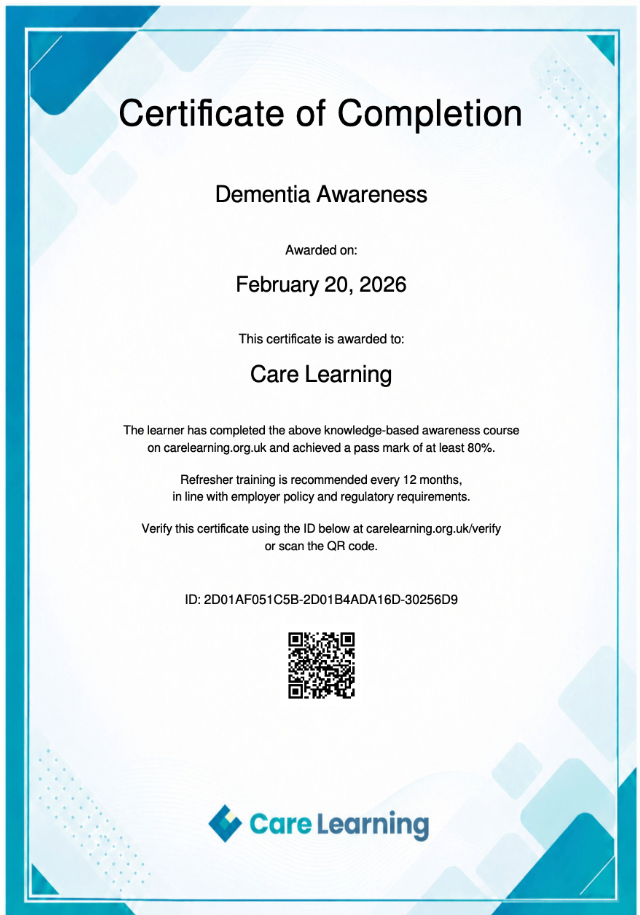
Yes. A certificate is issued after successful completion.
This Immunisation and Vaccination Awareness Training Course provides a practical foundation for understanding vaccination programmes, supporting informed conversations and recognising the limits of an awareness-level role. It helps learners contribute to safe, accessible vaccination support while knowing when current guidance or specialist clinical advice is required.
Enrol now to build your understanding of immunisation and vaccination awareness.