The Supporting Bereaved Families in Care course is designed for health and social care workers who may support relatives, friends, chosen family, residents and others affected by a death. It develops the knowledge needed to communicate compassionately, protect dignity and respond appropriately during a difficult and sensitive time.
This free course covers professional roles and boundaries, difficult conversations, grief and distress, viewing arrangements, personal beliefs and rituals, procedures following a death, practical signposting and ongoing bereavement support. It also considers the effect of a death on other people using services and on staff members themselves.
Why Take This eLearning Course?
Care workers can have an important role in helping people feel heard, informed and respected following a death. This course supports compassionate, person-centred practice while helping learners understand when to seek advice, report concerns or involve an appropriately qualified professional.
This course will help you to:
- Communicate sensitively and clearly with bereaved people.
- Understand the responsibilities and limits of different care roles.
- Recognise situations that require reporting or urgent escalation.
- Prepare appropriately for difficult conversations.
- Respond to grief, distress and different emotional reactions.
- Support informed choices about viewing the person who has died.
- Respect religious, spiritual, cultural and non-religious preferences.
- Follow safe and respectful procedures after a death.
- Protect belongings, valuables and confidential information.
- Identify appropriate sources of further support for families, residents and colleagues.
Learning Outcomes
By the end of this course, you will be able to:
- Define bereavement support and compassionate care after death.
- Describe the responsibilities and professional limits of care staff.
- Identify concerns that must be reported, referred or escalated.
- Prepare accurate information and a suitable setting for a difficult conversation.
- Use clear and compassionate language when informing someone about a death.
- Respond appropriately to grief, distress and urgent safety concerns.
- Explain how viewing can be offered and supported as an informed choice.
- Apply person-centred approaches to beliefs, rituals and individual preferences.
- Outline common procedures, responsibilities and practical arrangements following a death.
- Describe appropriate ongoing support for bereaved people, other residents and staff.
Supporting Bereaved Families in Care Course Outline
The course is organised into six modules covering compassionate communication, viewing and dignity, inclusive care, practical procedures, referral and staff wellbeing.
Module 1: Bereavement Support, Care Roles and Escalation
Learners will explore the meaning of bereavement support and compassionate care after death, including emotional support, practical assistance, confidentiality and the continuing dignity of the person who has died. The module explains how care workers, registered professionals, managers and activities staff may contribute within their roles. It also covers professional boundaries and the importance of seeking advice when a matter involves clinical conclusions, legal guidance, financial advice or specialist counselling. Learners will identify circumstances requiring prompt reporting, including unexpected or suspicious deaths, possible abuse or neglect, missing property, complaints, safeguarding concerns and immediate risks to a bereaved person’s safety.
Module 2: Compassionate Conversations and Responses to Distress
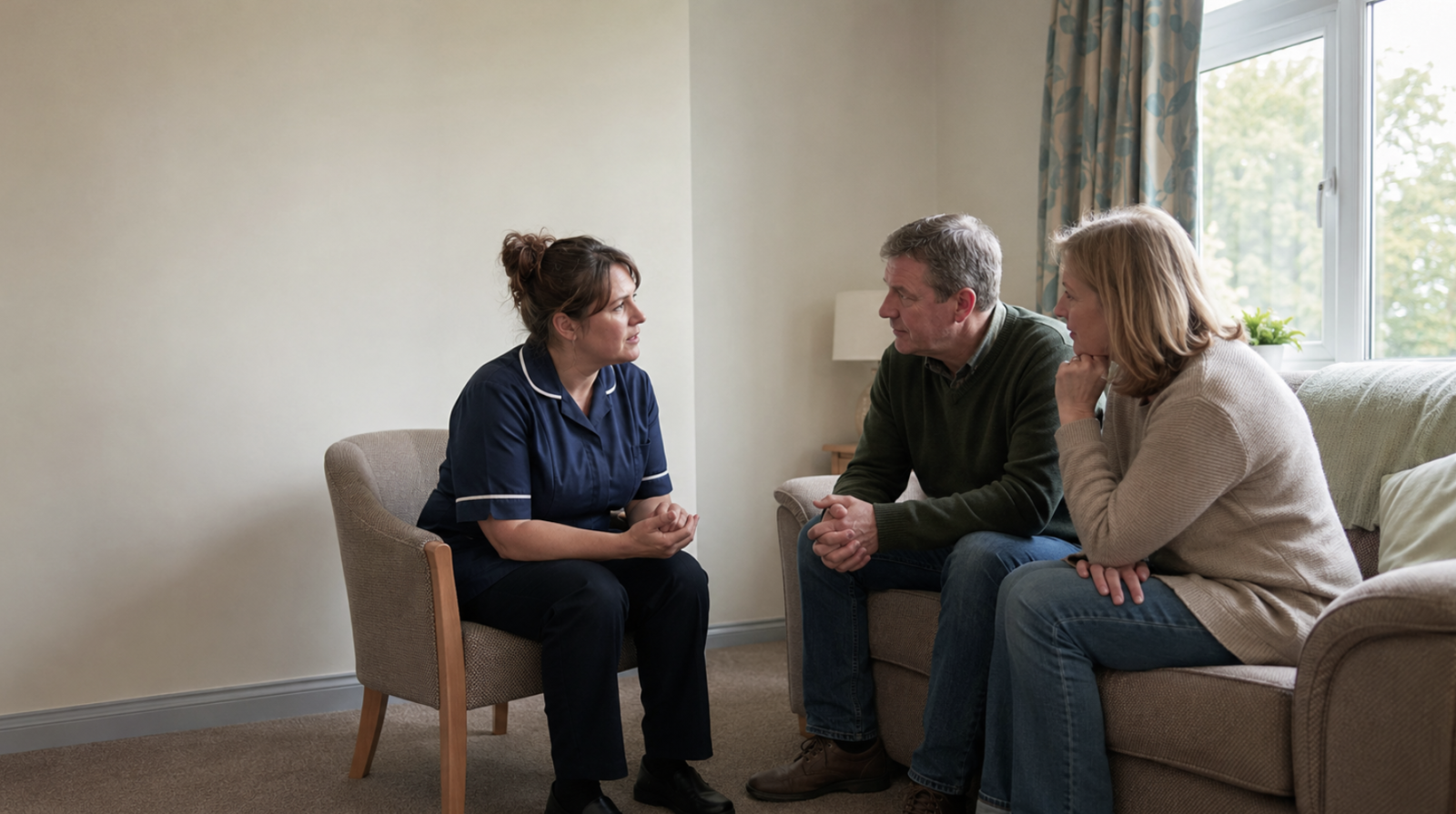
Learners will examine how to prepare for a difficult conversation by confirming accurate information, identifying who is authorised to speak and arranging a quiet, private and accessible setting. The module explains how to communicate that a person has died using clear language, careful pacing, appropriate pauses and manageable information. Learners will also consider helpful responses to shock, anger, guilt, confusion, crying and silence. Practical choices, calm listening and acknowledgement are explored alongside the need to recognise self-harm concerns, mental health emergencies and safeguarding risks that require immediate professional involvement.
Module 3: Viewing, Dignity, Privacy and Safety
Learners will understand how viewing the person who has died may be offered sensitively and without pressure. The module covers explaining available options, possible restrictions and the opportunity for later viewing through a funeral director. It considers how to prepare adults, children, people with learning disabilities, people living with dementia and those with communication needs for what they may experience. Learners will also examine how privacy, respectful conduct, identification checks, infection prevention, controlled access and clear professional boundaries help protect the person who has died and everyone attending the viewing.
Module 4: Beliefs, Rituals and Inclusive Support
Learners will explore a person-centred approach to religious, spiritual, cultural, humanist and non-religious wishes. The module emphasises checking recorded preferences and speaking with family members or named contacts rather than making assumptions about a belief group or community. Possible requests relating to prayer, personal care, positioning, clothing, personal objects and timing are considered. Learners will also examine how to respond when family views, individual wishes, legal requirements and safety procedures conflict, including involving managers, funeral directors and appropriate faith, belief or cultural advisers.
Module 5: Procedures and Practical Arrangements Following a Death
Learners will examine what commonly happens after a death, including immediate reporting, verification, identification, record keeping, medical certification, medical examiner processes, coroner involvement, registration and authorised transfer. The module distinguishes the responsibilities of the care service from those of a funeral director and explains the importance of neutral information and documented handovers. It also covers the safe recording, storage and release of belongings, valuables, documents and medicines. Learners will consider how to signpost bereaved people to information about registration, funeral arrangements, Tell Us Once, bereavement services and possible financial support without giving legal, financial, probate or inheritance advice.
Module 6: Ongoing Support, Other Residents and Staff Wellbeing
Learners will consider how grief may change over time and why staff should avoid suggesting that everyone experiences fixed stages or recovers within a set period. The module covers consent-based follow-up, accessible information and referral to general practitioners, hospices, bereavement services, counselling providers, recognised charities and spiritual care. Learners will explore how to share sensitive news with other residents and people using services while maintaining confidentiality, adapting communication and offering optional remembrance activities. The module concludes with practical approaches to staff wellbeing, including supervision, peer support, reflective discussion, occupational health, workload review and further professional support.
Target Audience
This course is suitable for:
- Care workers and support workers in adult social care services.
- Registered nurses and other health and care professionals.
- Care home managers, team leaders and supervisors.
- Staff working in supported living, residential or nursing services.
- Activities, wellbeing and community support staff.
- Employees completing induction or refresher training on bereavement support.
No previous specialist knowledge is required.
FAQ
Who is the Supporting Bereaved Families in Care course suitable for?
The course is suitable for care workers, nurses, managers, support staff and others who may assist families, residents or people using services following a death. It can support both new employees and experienced staff completing refresher learning.
Do I need any previous experience?
No previous specialist experience is required. The course introduces the essential knowledge, communication principles and professional boundaries needed to provide appropriate bereavement support in care settings.
What will I learn on this course?
You will learn how to communicate compassionately after a death, respond to grief and distress, support viewing arrangements, respect individual beliefs, follow practical procedures and identify when professional advice or urgent escalation is required.
Will this course help with day-to-day practice?
Yes. The course relates its content to situations staff may encounter in care services, including speaking with families, safeguarding belongings, supporting other residents, recording concerns and referring questions to the correct professional.
Does the course cover practical skills?
The course covers practical approaches to preparing for difficult conversations, checking understanding, offering simple choices, supporting viewing arrangements, maintaining privacy and completing respectful handovers. Staff should continue to follow their employer’s procedures and only undertake tasks for which they are trained and authorised.
Does the course cover relevant responsibilities and good practice?
Yes. It covers confidentiality, safeguarding, dignity, infection prevention, professional boundaries, factual record keeping and appropriate escalation. It also explains that procedures may differ between care settings and across UK nations, so staff must follow current local arrangements.
How does the course address religious and cultural needs?
The course encourages staff to check recorded wishes, speak with the appropriate people and avoid assumptions. It considers how prayer, personal care, positioning, clothing, objects and timing may affect care after death, as well as how to explore safe alternatives when a request cannot be followed.
How long does the course take?
The course is self-paced and usually takes around 1 hour to complete.
Will I receive a certificate?
Yes. A certificate is issued after successful completion.
Supporting bereaved people requires compassion, clear communication and an understanding of professional responsibilities. This course provides practical knowledge to help care workers respond respectfully, protect dignity and involve the correct services when further support is needed.
Enrol now to build your understanding of supporting bereaved families in care.