
This introductory safeguarding in schools course is designed for people working or volunteering in school settings who need a clear foundation in safeguarding and child protection practice. It explains why safeguarding matters, how school staff contribute to pupil safety and welfare, and what to do when concerns arise.
This free course covers safeguarding culture, UK guidance and school responsibilities, signs of abuse and neglect, specific risks affecting school-aged children, responding to disclosures, recording concerns, safer working practice, early help, attendance, behaviour and everyday safeguarding practice.
Why Take This eLearning Course?
Safeguarding is a core responsibility in every school. Staff and volunteers may notice concerns through attendance, behaviour, wellbeing, relationships, online activity or changes in a pupil’s presentation. This course supports confident, consistent and appropriate safeguarding practice across the school environment.
This course will help you to:
- Understand safeguarding and child protection in a school context
- Recognise why safeguarding is everyone’s responsibility
- Identify key safeguarding roles, including the designated safeguarding lead
- Understand the main UK guidance differences at an introductory level
- Recognise possible signs of abuse, neglect, exploitation and wider harm
- Respond calmly and appropriately to concerns or disclosures
- Record safeguarding information clearly, factually and promptly
- Understand safer working practice and professional boundaries
- Recognise how attendance, behaviour and wellbeing may link to safeguarding
- Support a safe, respectful and vigilant school culture
Learning Outcomes
By the end of this course, you will be able to:
- Define safeguarding, child protection and key safeguarding terms used in schools
- Describe why safeguarding is a shared responsibility for all adults in school
- Identify the main safeguarding roles, duties and reporting routes in a UK school
- Outline key school policies linked to safeguarding practice
- Recognise common signs of abuse, neglect, exploitation and other safeguarding risks
- Explain how specific risks may present in primary and secondary settings
- Respond appropriately when a pupil raises a concern or makes a disclosure
- Record and report safeguarding concerns in a clear and timely way
- Describe safer working practice and professional boundaries for school staff
- Explain how everyday school practice contributes to a strong safeguarding culture
Safeguarding in Schools eLearning Course Outline
Module 1: Safeguarding in Schools
Learners will explore what safeguarding and child protection mean in a school context, including the difference between wider safeguarding practice and child protection action. This module explains why safeguarding is everyone’s responsibility, how a strong safeguarding culture supports pupils’ safety, welfare and learning, and how key roles such as the designated safeguarding lead, deputies, school leaders, governors, staff and volunteers contribute to effective practice.
Module 2: Legal Duties and Guidance
Learners will gain an introductory understanding of safeguarding duties that apply to schools and staff across the UK. This module covers the importance of following relevant school policies, including child protection, staff conduct, online safety, attendance and allegations management. It also explains, at a basic level, how safeguarding guidance and terminology differ across England, Wales, Scotland and Northern Ireland while sharing the common aim of protecting children from harm.
Module 3: Signs of Concern
Learners will consider how to recognise possible signs that a pupil may be at risk. This module defines abuse, neglect and exploitation, introduces common categories of harm, and gives examples of indicators that may appear through behaviour, attendance, appearance, relationships, online activity or emotional wellbeing. It also explores how disability, communication needs, family circumstances, mental health concerns and social isolation may affect vulnerability and disclosure.
Module 4: Specific Safeguarding Risks
Learners will examine common safeguarding risks affecting school-aged children, including online abuse, bullying, peer-on-peer abuse, sexual harassment, exploitation, radicalisation and domestic abuse. This module explains how risks may present differently in primary and secondary settings and how wellbeing or mental health concerns may become safeguarding concerns when there is risk of harm, exploitation, neglect or serious deterioration. It also highlights why online safety should be part of everyday safeguarding practice.
Module 5: Responding to Concerns and Disclosures
Learners will develop a clear understanding of how staff should respond when a pupil makes a disclosure or when a safeguarding concern is identified. This module covers listening calmly, taking the child seriously, avoiding leading questions, not promising confidentiality and passing concerns on without delay. It also explains the importance of factual recording, internal referral routes, external agency involvement and urgent action where immediate risk is present.
Module 6: Safer Working Practice
Learners will explore professional boundaries and safer working practice in schools. This module covers appropriate communication, use of approved systems, transparent working, clear record keeping, supervision and conduct that protects both pupils and adults. It also explains how concerns about adults in school should be reported, including allegations, low-level concerns and unsafe practice, and why open reporting supports pupil safety and professional accountability.
Module 7: Attendance, Behaviour and Early Help
Learners will consider how poor attendance, behaviour changes and unmet needs may act as safeguarding indicators. This module explains how absence, lateness, withdrawal, aggression, hunger, poor hygiene or emotional distress may point to wider concerns. It also covers early help, timely information sharing and how schools work with families, health services, children’s social care, police, community services and internal support teams to protect and support children.
Module 8: Safeguarding in Daily School Practice
Learners will understand how safeguarding is woven through ordinary school life, including behaviour systems, curriculum, PSHE and RSE, online safety, pupil voice and whole-school culture. This module explains how staff can help pupils feel safe, heard and respected through consistent relationships, inclusive practice and calm responses. It also highlights the value of regular safeguarding training and updates so that staff remain alert, confident and informed.
Target Audience
This course is suitable for:
- Teachers and teaching assistants
- Lunchtime supervisors and pastoral staff
- School office, site and support staff
- Volunteers working in school settings
- New starters completing safeguarding induction
- Staff who need an introductory refresher on safeguarding in schools
No previous specialist knowledge is required.
FAQ
Who is this course suitable for?
This course is suitable for staff and volunteers working in UK school settings, including teachers, teaching assistants, lunchtime staff, pastoral staff, office staff, site staff and new starters who need a clear introduction to safeguarding in schools.
Do I need any previous experience?
No. This is an introduction-level course and does not require previous safeguarding knowledge. It is designed to explain key terms, responsibilities and reporting expectations in a clear and practical way.
What will I learn on this course?
You will learn what safeguarding and child protection mean in schools, how to recognise possible concerns, how to respond to disclosures, how to record and report concerns, and how safer working practice supports pupils and staff.
Will this safeguarding in schools course help with day-to-day practice?
Yes. The course focuses on situations staff may notice during normal school life, such as changes in behaviour, attendance concerns, online risks, disclosures, peer-related harm, wellbeing concerns and professional boundaries.
Does the course cover practical skills?
Yes. It covers practical safeguarding actions such as listening to a disclosure, staying calm, avoiding promises of confidentiality, recording concerns clearly and passing information to the correct safeguarding lead or route.
Does it cover relevant responsibilities or good practice?
Yes. The course explains staff responsibilities, key safeguarding roles, linked school policies, safer working practice and the importance of following the guidance and procedures that apply in the relevant UK nation and school setting.
How long does the course take?
The course is self-paced and usually takes around 1 hour to complete.
Will I receive a certificate?
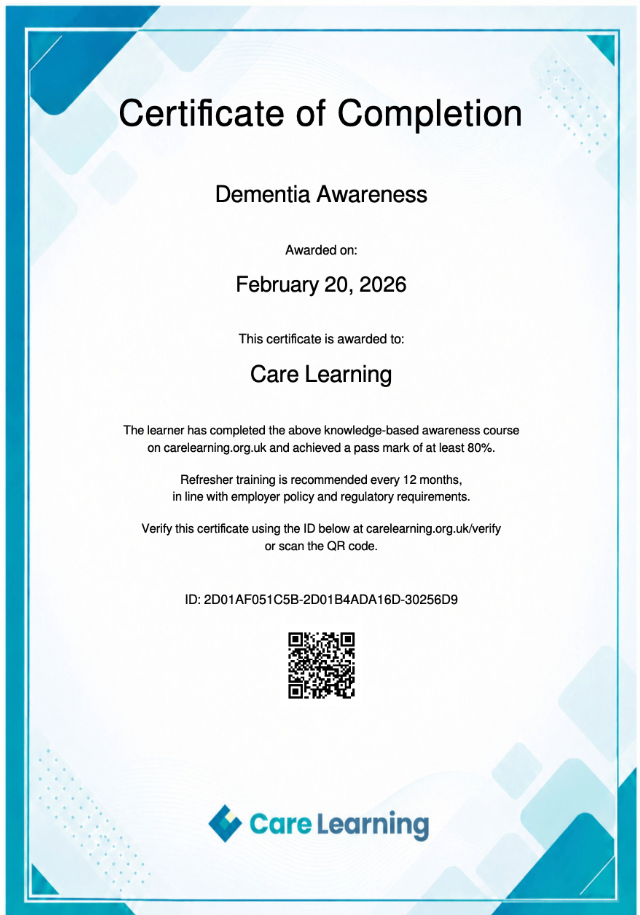
Yes. A certificate is issued after successful completion.
Safeguarding in schools depends on alert, informed and consistent practice from every adult in the school community. This course provides a clear foundation for recognising concerns, responding appropriately and supporting a culture where pupils feel safe, heard and respected.
Enrol now to build your understanding of safeguarding in schools.