This online course helps teachers, support staff and other school professionals develop a practical understanding of attention deficit hyperactivity disorder (ADHD) and how it can affect pupils in school. It focuses on recognising individual barriers to learning and participation without making assumptions about behaviour, ability or effort.
This free course covers ADHD presentations and common signs, classroom strategies, environmental and task adjustments, pupil and family involvement, professional boundaries, observation and recording, and the graduated approach to special educational needs. It also introduces the legal and statutory context for SEN support and reasonable adjustments in England.
Why Take This eLearning Course?
Understanding how ADHD can affect attention, memory, organisation, activity and self-regulation can help school staff respond more effectively to pupils’ individual needs. This course supports thoughtful, practical approaches that maintain appropriate expectations while reducing avoidable barriers to learning and participation.
This course will help you to:
- Develop a clearer understanding of ADHD and how it may present in school
- Recognise barriers involving attention, memory, organisation and self-regulation
- Avoid confusing ADHD-related difficulties with deliberate poor behaviour
- Make classroom instructions and tasks easier for pupils to manage
- Use appropriate strategies for attention, movement and regulation
- Combine clear expectations with individualised support
- Involve pupils and families constructively in support planning
- Record useful observations without making diagnostic assumptions
- Understand the role of teachers, SENCOs and families in SEN support
- Apply your knowledge within England’s SEND and equality framework
Learning Outcomes
By the end of this course, you will be able to:
- Define ADHD as a neurodevelopmental condition
- Describe inattentive, hyperactive/impulsive and combined presentations
- Identify reasons ADHD may be overlooked in some pupils
- Recognise common ADHD-related barriers in school
- Explain how classroom environments, tasks and routines can be adjusted
- Select strategies that reflect individual strengths and support needs
- Describe appropriate ways to involve pupils, parents and carers
- Record observations that can support planning and professional discussion
- Explain professional boundaries and routes for further advice
- Outline the graduated approach, SEND responsibilities and reasonable-adjustment duties in England
Supporting Pupils with ADHD in School Course Outline
The course is organised into six modules, progressing from understanding ADHD and recognising common barriers through to classroom strategies, collaborative support and the SEND framework in England.
Module 1: Understanding ADHD and Its Impact in School
Learners will explore ADHD as a neurodevelopmental condition affecting the regulation of attention, activity and impulses. The module explains inattentive, hyperactive/impulsive and combined presentations, including why some pupils’ difficulties may be less visible or overlooked. Learners will also consider how ADHD can affect learning, task completion, relationships, participation, confidence and wider school outcomes, while recognising that every pupil’s experience is different.
Module 2: Recognising ADHD-Related Barriers and Behaviour
Learners will identify common signs involving attention, working memory, organisation, movement, impulsivity and self-regulation across ordinary classroom activities. The module considers how characteristics can change according to the pupil, age, task, environment and other needs. It also explores the important distinction between underlying ADHD-related barriers and deliberate poor behaviour, helping staff consider context and support needs before making judgements about a pupil’s intentions.
Module 3: Creating Supportive Classroom Conditions
Learners will examine practical ways to reduce unnecessary distraction and adjust classroom environments according to individual needs. They will consider seating, noise, visual input, sensory factors and access to movement, alongside approaches for simplifying instructions and structuring manageable tasks. The module also covers focused work periods, planned movement, breaks, regulation strategies, predictable routines, clear transitions and specific feedback that can improve participation and independence.
Module 4: Applying ADHD-Informed Strategies
Learners will consider what makes a classroom strategy genuinely ADHD-informed by identifying the barrier first and then matching support to the pupil’s observed needs. The module explains how reasonable expectations can be maintained alongside calm communication, practical adjustments and consistent follow-through. Learners will also identify common mistakes, such as relying only on sanctions or removing helpful supports, and explore how strategies can be adapted to build on individual strengths and respond to changing needs.
Module 5: Working with Pupils, Families and Other Professionals
Learners will explore how pupils can contribute valuable information about their own experiences, strengths and support needs without being made responsible for arranging their own support. The module covers constructive communication with parents and carers, factual sharing of school observations and collaborative discussion of strategies. Learners will also consider what information to observe and record, how records can contribute to SEND planning or wider assessment, and where the professional boundaries lie between recognising needs and diagnosing ADHD.
Module 6: SEND Support, Responsibilities and Legal Context
Learners will develop an understanding of the graduated Assess, Plan, Do and Review approach to SEN support in England. The module explains the responsibilities of teachers, SENCOs, pupils and families, as well as circumstances in which specialist advice or an Education, Health and Care needs assessment may be considered. It also introduces the Children and Families Act 2014, the SEND Code of Practice 2015 and the Equality Act 2010, including the distinction between SEN and disability and the duty to consider reasonable adjustments where applicable.
Target Audience
This course is suitable for:
- Teachers working with school-age pupils
- Teaching assistants and learning support staff
- SENCOs and staff involved in SEN provision
- Pastoral and behaviour support staff
- School leaders and other education professionals
- Staff who want to improve their understanding of ADHD-informed classroom support
No previous specialist knowledge is required.
FAQ
Who is this course suitable for?
This course is designed for teachers, teaching assistants, SENCOs, pastoral staff, school leaders and other education professionals who support pupils in school. It is suitable for staff who want a practical introduction to ADHD and its implications for learning, participation and classroom support.
Do I need any previous experience?
No previous specialist knowledge of ADHD is required. The course introduces the condition, common school-based barriers and practical support approaches in clear, accessible language.
What will I learn on this ADHD in schools course?
You will learn about ADHD presentations, attention and organisation difficulties, activity and impulsivity, classroom adjustments, ADHD-informed strategies, pupil and family involvement, observation and recording, professional boundaries and the SEND framework in England.
Will this course help with day-to-day practice?
Yes. The course focuses on situations school staff may encounter during lessons, transitions, group activities and everyday classroom routines. It explains how staff can adapt instructions, tasks, environments and responses to support individual pupils more effectively.
Does the course cover practical classroom strategies?
Yes. It covers approaches such as reducing unnecessary distractions, breaking tasks into manageable stages, reinforcing instructions, using prompts and visual support, planning movement, supporting regulation and managing routines and transitions.
Does it cover SEND responsibilities and reasonable adjustments?
Yes. The course outlines the graduated approach to SEN support, the roles of teachers and SENCOs, routes for further advice and the relevant England-based SEND framework. It also explains that ADHD may meet the Equality Act 2010 definition of disability depending on its impact on the individual pupil, in which case reasonable adjustments should be considered.
How long does the course take?
The course is self-paced and usually takes around 1 hour to complete.
Will I receive a certificate?
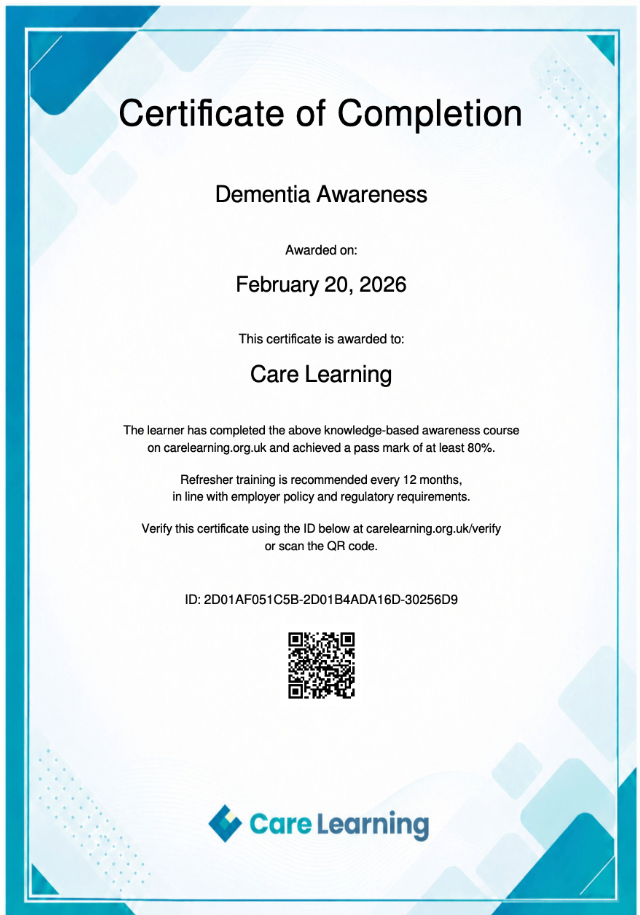
Yes. A certificate is issued after successful completion.
Supporting pupils with ADHD requires more than responding to visible behaviour. This course provides school staff with a structured understanding of the barriers pupils may experience and practical ways to support learning, participation and increasing independence while maintaining clear and appropriate expectations.
Enrol now to build your understanding of supporting pupils with ADHD in school.