This Introduction to Family Support Work course provides a clear foundation for people who support children and families in England. It is suitable for family support workers, early help practitioners and others working across children’s, health, social care, education, community and voluntary services who need to understand the purpose, principles and professional boundaries of family support practice.
This free course explores early help, strengths-based and relationship-based practice, child-centred and whole-family working, relevant children’s legislation and safeguarding guidance. Learners will also consider assessment and planning, multi-agency working, practical family support, recording, information sharing and when concerns should be referred or escalated.
Why Take This eLearning Course?
Family support workers can play an important role in helping families address difficulties before needs become more complex. Effective practice requires more than providing practical help: workers need to understand how to build professional relationships, keep children at the centre of their work, recognise the limits of their role and work safely with other services.
This course will help you to:
- Understand the purpose of family support work and early help.
- Recognise different levels of support available to children and families.
- Use strengths-based and relationship-based approaches more confidently.
- Keep the child’s experience central while considering the wider family context.
- Understand key legislation and safeguarding expectations relevant to the role.
- Distinguish family support responsibilities from social work and health visiting functions.
- Contribute appropriately to assessment, planning and review processes.
- Work more effectively with families and professional networks.
- Improve recording and information-sharing practice.
- Recognise when advice, referral or safeguarding escalation is required.
Learning Outcomes
By the end of this course, you will be able to:
- Define family support work and explain the purpose of early help.
- Describe how early help has developed in England.
- Distinguish between universal, targeted and specialist support.
- Explain strengths-based, relationship-based, child-centred and whole-family approaches.
- Outline relevant principles from the Children Act 1989, Children Act 2004 and current safeguarding guidance.
- Describe common family support responsibilities and professional role boundaries.
- Explain how strengths and needs can be identified and used within family-centred planning.
- Describe the purpose of local early help assessment and multi-agency working arrangements.
- Apply appropriate principles to practical support, recording and information sharing.
- Identify circumstances in which advice, referral or escalation is needed.
Introduction to Family Support Work Course Outline
The course is organised into six modules covering the foundations of family support work, approaches to working with families, the legal and safeguarding framework, professional responsibilities, assessment and planning, and practical day-to-day practice.
Module 1: Family Support Work and Early Help
Learners will explore what family support work involves and how practical and emotional support can help children and families address difficulties and build on existing strengths. The module explains the purpose of early help and how preventative, co-ordinated support has developed in England through legislation, policy and whole-family approaches. Learners will also examine the distinction between universal services, targeted or early help provision and specialist or statutory services, including the importance of following local thresholds and recognising when needs require a more specialised response.
Module 2: Strengths, Relationships and Whole-Family Practice
Learners will examine strengths-based practice and how family abilities, resources, protective factors and informal networks can contribute to effective support. The module considers how professional relationships develop through listening, empathy, reliability, respectful curiosity, appropriate boundaries and reflective supervision. It also explores child-centred and whole-family working, including the experiences of children, parents, carers, siblings and wider family members, while considering how housing, finances, health, education, relationships and community circumstances can interact. Throughout the module, the child’s individual safety, wellbeing and daily experience remain central.
Module 3: Children’s Legislation and Safeguarding Responsibilities
Learners will develop introductory awareness of the legal and safeguarding framework that influences family support practice in England. This includes the relevance of the Children Act 1989, particularly the concepts associated with section 17 support for children in need and section 47 enquiries where significant harm is suspected. The module also introduces sections 10 and 11 of the Children Act 2004 and their relevance to co-operation between services and organisational safeguarding responsibilities. Learners will consider the purpose of Working Together to Safeguard Children 2026, including shared responsibility, family help, local safeguarding arrangements, thresholds and the need to follow established procedures when concerns arise.
Module 4: Responsibilities, Professional Roles and Boundaries
Learners will consider common day-to-day family support responsibilities, including direct work with children, parents and carers, practical support, goal setting, recording, reviewing progress and co-ordinating with other services. The module explains how family support work differs from registered social work, including the protected status of the social worker title and the importance of not assuming statutory functions outside an authorised role. Learners will also distinguish family support from health visiting and specialist nursing practice, particularly in relation to clinical assessment and health advice. The module concludes by examining professional boundaries, supervision and the importance of seeking appropriately qualified support when needs exceed the worker’s competence or authority.
Module 5: Assessment, Planning and Multi-Agency Working
Learners will explore how practitioners can identify strengths and needs collaboratively by listening to children and adults, recognising family resources, exploring worries and agreeing meaningful priorities. The module considers the purpose of an Early Help Assessment, family assessment or local equivalent and explains how shared assessment can support clearer understanding, family participation and joined-up planning. Learners will also examine family-centred planning and review, including agreeing outcomes, actions and responsibilities and adapting plans as circumstances change. Multi-agency and lead practitioner working are introduced as ways of co-ordinating support, sharing relevant information and maintaining clear responsibility across a professional network.
Module 6: Practical and Accountable Family Support Practice
Learners will consider practical examples of family support, including helping families access services, develop workable home routines and engage with community resources while encouraging independence wherever possible. The module explains how effective partnership with families depends on listening openly, respecting identity and experience, recognising strengths, agreeing goals and reviewing progress together. Learners will also examine good recording and information-sharing practice, including factual and proportionate records, confidentiality, safe sharing and seeking advice where decisions are unclear. The final part of the module explains how to distinguish between seeking professional advice, referring a family for specialist support and escalating concerns through safeguarding procedures.
Target Audience
This course is suitable for:
- New or developing family support workers.
- Early help and family help practitioners.
- Support staff working with children, parents and carers.
- Health and social care workers whose roles involve supporting families.
- Staff and volunteers in children’s, community and voluntary services.
- Practitioners who need an introductory understanding of family support practice in England.
No previous specialist knowledge is required.
FAQ
Who is the Introduction to Family Support Work course suitable for?
The course is designed for people who are new to family support or who need a structured introduction to the principles that underpin work with children and families. It may also support practitioners in related services who work alongside family support, early help, children’s services, education, health or community organisations.
Do I need any previous experience?
No previous specialist family support experience is required. The course introduces key concepts from the beginning and is suitable for new starters, support workers and practitioners who want to strengthen their foundational knowledge.
What will I learn on this course?
You will learn about early help, strengths-based and relationship-based practice, child-centred and whole-family working, relevant legislation and safeguarding guidance, professional boundaries, assessment, planning, multi-agency working, practical family support, recording and escalation.
Will this course help with day-to-day family support practice?
Yes. The course connects core principles with common areas of practice, such as working with family goals, supporting routines, helping families access services, contributing to assessments and plans, communicating with other professionals and recognising when additional action is required.
Does the course cover practical skills?
The course explains practical approaches that family support workers may use, including collaborative goal setting, family-centred planning, relationship building, supporting access to services and reviewing progress. It also makes clear that activities should remain within the worker’s job description, training, competence and organisational procedures.
Does it cover safeguarding responsibilities and good practice?
Yes. The course introduces relevant principles from the Children Act 1989, Children Act 2004 and Working Together to Safeguard Children 2026. It also covers professional boundaries, local safeguarding procedures, recording, information sharing and the circumstances in which practitioners should seek advice, refer or escalate concerns.
What is the difference between family support work and social work?
Family support workers may provide substantial practical, emotional and planned support to children and families, but the role is not the same as registered social work. The course explains the distinction between support functions and statutory or professional responsibilities that require an appropriately authorised or registered social worker.
How does family support work alongside health services?
Family support workers may work with health visitors and other health professionals as part of a co-ordinated plan. Their role may include sharing appropriate observations and supporting agreed family goals, but they should not undertake clinical assessments or provide specialist health advice outside their training and competence.
How long does the course take?
The course is self-paced and usually takes around 1 hour to complete.
Will I receive a certificate?
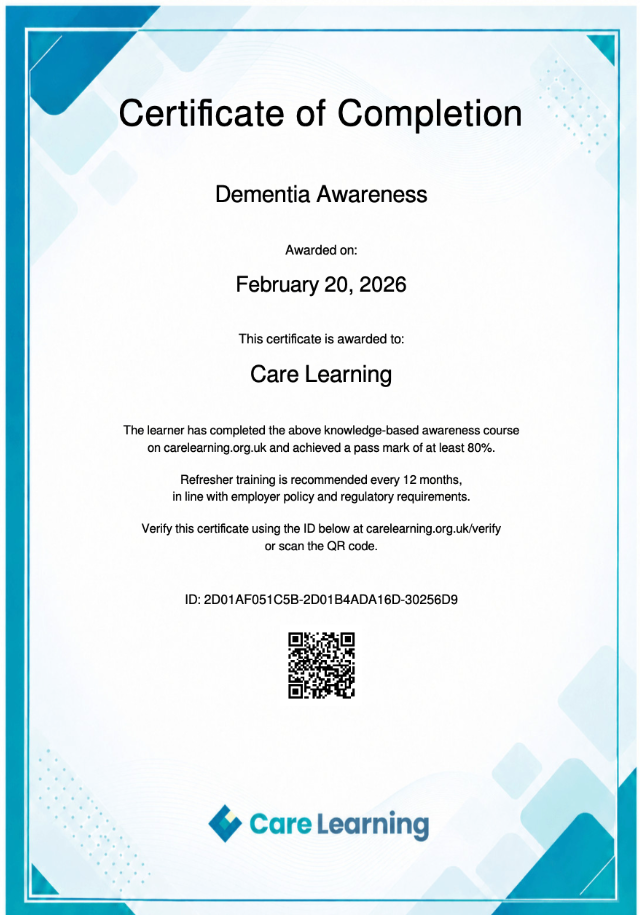
Yes. A certificate is issued after successful completion.
This Introduction to Family Support Work course provides a practical foundation for understanding how safe, respectful and co-ordinated support can help children and families. It supports learners to develop clearer role awareness, work constructively with families and other services, and recognise when changing needs require further professional or safeguarding action.
Enrol now to build your understanding of family support work.