
This Learning from Mistakes and Near Misses Training Course is designed for people working across health and social care and other UK services where safe reporting, effective communication and organisational learning are important. It helps learners understand how to recognise workplace events, respond appropriately and contribute to improvement while remaining within their professional role.
This free course covers mistakes, incidents, near misses and concerns; just culture and fair accountability; contributing factors; immediate safety and escalation; factual recording; confidentiality and information governance; accessible communication; professional boundaries; and practical approaches to organisational learning. It also explores examples from health and social care, housing and homelessness, education, early years, youth work, charities, community organisations and public services.
Why Take This eLearning Course?
Learning effectively from workplace events can help organisations identify weaknesses, improve processes and reduce the likelihood of similar problems occurring again. This course supports learners to contribute useful, reliable information without making unsupported judgements or taking on responsibilities that belong to authorised managers, investigators or specialists.
This course will help you to:
- Recognise the difference between mistakes, incidents, near misses and workplace concerns.
- Respond appropriately when an event creates an immediate safety risk.
- Report events clearly using the correct organisational routes.
- Produce factual records that distinguish observations from assumptions.
- Consider human, task, environmental and wider system factors.
- Contribute to a fair learning culture without relying on blame.
- Protect confidential and personal information during reporting and discussion.
- Communicate respectfully with people who have different accessibility or communication needs.
- Recognise when specialist advice, safeguarding action or formal escalation is required.
- Use reflection, feedback and monitoring to support continued improvement.
Learning Outcomes
By the end of this course, you will be able to:
- Define mistakes, incidents, near misses and workplace concerns.
- Explain why organisations learn from incidents and near misses.
- Describe the principles of just culture and fair accountability.
- Identify human, task, environmental and system factors that may contribute to events.
- Record and communicate workplace events in a factual and timely way.
- Distinguish established information, possible learning and unsupported speculation.
- Explain how learning can lead to proportionate actions and monitored change.
- Apply appropriate confidentiality, information governance and openness principles.
- Identify professional boundaries and situations requiring specialist support or escalation.
- Recognise common reporting problems and explain how reflection and feedback can improve future practice.
Learning from Mistakes and Near Misses Course Outline
The course progresses from understanding workplace events and fair learning principles through to reporting, recording, escalation, organisational improvement and practical examples from different service settings. It also addresses common mistakes that can weaken learning and shows how good practice can be strengthened over time.
Module 1: Understanding Mistakes, Incidents and Near Misses
Learners will develop a clear understanding of mistakes or errors, incidents, near misses and workplace concerns, including the importance of following local organisational definitions and reporting procedures. The module explains how reviewing both incidents and near misses can reveal patterns, improve processes and strengthen future practice. Learners will also explore the limits of their role, including why serious-incident, safeguarding, disciplinary, criminal, legal and specialist clinical investigations must remain with suitably authorised professionals.
Module 2: Fair Learning and Contributing Factors
Learners will explore just culture and fair accountability, considering how organisations can encourage openness and learning while maintaining appropriate individual responsibility. The module examines human factors such as workload, fatigue and communication alongside task design, equipment, environmental conditions and wider organisational systems. It also covers preparation before recording or discussing an event, including immediate safety, gathering available facts, establishing the sequence, finding the correct reporting route and seeking support. Learners will consider how accessible reporting tools, clear escalation routes, supervision and respectful working conditions support effective organisational learning.
Module 3: Immediate Response, Recording and Learning Actions
Learners will examine how to identify immediate safety needs and escalate concerns to appropriate supervisors, safeguarding leads, clinical professionals, emergency services or other authorised contacts. The module explains how to make a prompt, factual contemporaneous record that distinguishes direct observations, reported information, professional opinion and unresolved uncertainty. Learners will explore the difference between established evidence, possible contributing factors and speculation before considering how reliable findings can lead to proportionate actions, clear ownership, appropriate feedback and monitored improvement.
Module 4: Quality, Communication, Governance and Professional Boundaries
Learners will consider how to quality-check reports and improvement actions without disguising uncertainty or adding unsupported information. The module explores accessible, inclusive and respectful communication, including disability, language, literacy, digital access, preferred formats and the effect that status or power differences can have on participation. It also addresses authorised information sharing, data minimisation, accurate recording, confidentiality limits and relevant openness duties. Learners will examine professional boundaries around safeguarding, serious harm, possible criminal conduct, employment matters, legal and regulatory decisions and statutory reporting, including the importance of passing specialist decisions to authorised people.
Module 5: Applying the Approach Across Different Services
Learners will apply the principles of learning from workplace events to realistic examples across a range of settings. Health and social care examples consider missed handover information and appropriate reporting without independently determining clinical cause, individual fault or formal openness requirements. Housing and homelessness examples explore missed repairs, appointments and information handovers, including communication and access barriers. Education, early years and youth work examples address handover breakdowns, supervision concerns and process failures while protecting safeguarding boundaries. Examples from charities, community organisations and public services show how missed referrals, appointments and administrative processes can be reported, escalated and used to support proportionate improvement.
Module 6: Avoiding Common Problems and Improving Practice
Learners will identify reporting habits that can weaken organisational learning, including unnecessary delays, premature blame, dismissing near misses, exaggerating events, mixing fact with assumption, including excessive personal information, overlooking accessibility and accepting the first apparent cause without considering wider factors. The module explains how to handle missing or conflicting information transparently and when to seek guidance. Learners will also consider how to correct inaccurate records, escalate missed follow-up and address reporting errors openly through approved procedures. Finally, the course explores how reflection, supervisor feedback, pattern recognition, shared learning, monitoring and keeping up to date with organisational procedures can strengthen practice over time.
Target Audience
This course is suitable for:
- Health and social care workers who report or respond to workplace incidents and near misses.
- Staff working in housing, homelessness and supported services.
- Education, early years and youth work professionals.
- Charity, voluntary and community sector staff and volunteers.
- Public service employees who contribute to workplace reporting or service improvement.
- Supervisors and team members who want to strengthen fair, factual and effective organisational learning.
No previous specialist knowledge is required.
FAQ
Who is this course suitable for?
The course is suitable for staff, volunteers, supervisors and other workers who may need to recognise, report or contribute information about mistakes, incidents, near misses or workplace concerns. Examples are drawn from health and social care and a range of other public, community and support services.
Do I need any previous experience?
No previous specialist knowledge is required. The course introduces the core principles of safe reporting, factual recording, escalation and organisational learning in a clear and practical way.
What will I learn on the Learning from Mistakes and Near Misses course?
You will learn how to recognise different types of workplace events, respond to immediate risks, use appropriate reporting routes, produce factual records and distinguish evidence from assumptions. You will also explore just culture, contributing factors, confidentiality, inclusive communication, professional boundaries and proportionate organisational improvement.
Will this course help with day-to-day practice?
Yes. The course focuses on situations workers may encounter during normal practice, including missed handovers, process failures, reporting concerns, incomplete information and communication problems. It helps learners understand what they can do within their role and when an issue should be escalated.
Does the course cover practical skills?
The course develops practical awareness of preparing information, reporting events, recording observations, identifying contributing factors, escalating concerns and contributing to later learning. It does not train learners to undertake formal serious-incident, safeguarding, disciplinary, criminal or specialist investigations.
Does it cover relevant responsibilities and good practice?
Yes. The course addresses professional boundaries, confidentiality, information governance, authorised information sharing, safeguarding and safety escalation, openness duties and statutory reporting considerations. It emphasises following current organisational procedures and referring specialist or formal decisions to appropriately authorised people.
Does this course explain how to avoid blaming individuals when something goes wrong?
Yes. Learners are introduced to just culture and fair accountability. The course explains how workplace events may involve several interacting human, task, environmental and system factors while recognising that individuals remain responsible for actions within their role and professional expectations.
How long does the course take?
The course is self-paced and usually takes around 1 hour to complete.
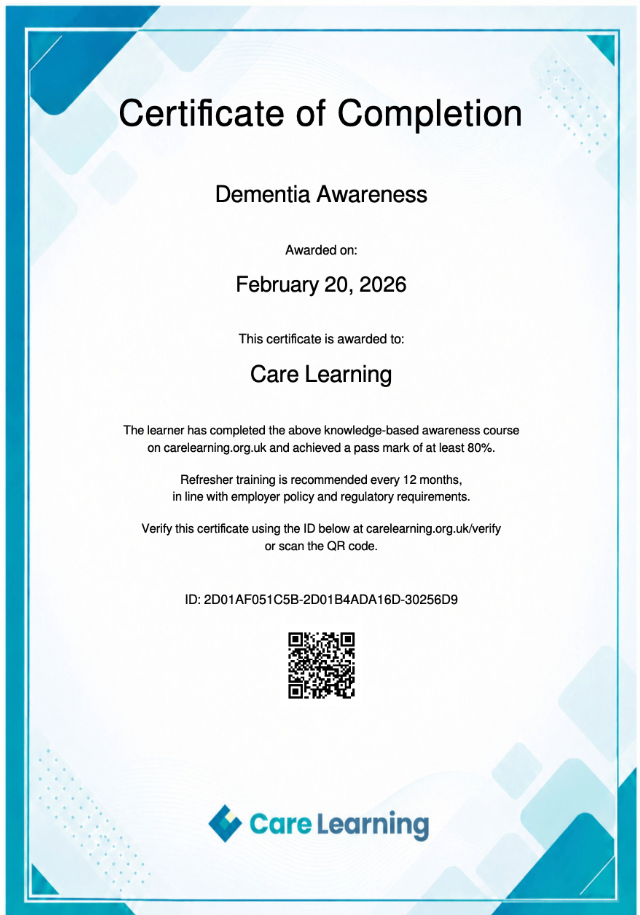
Will I receive a certificate?
Yes. A certificate is issued after successful completion.
Learning from mistakes and near misses is most effective when reporting is timely, factual and focused on practical improvement. This course provides a structured introduction to recognising workplace events, responding safely, contributing reliable information and supporting fair organisational learning while respecting professional boundaries.
Enrol now to build your understanding of learning from mistakes and near misses.