
Strong partnerships with parents and carers are an important part of effective early years practice. This Parental Partnerships in Early Years course is designed for practitioners and others working with young children and families in England who want to strengthen communication, build trust and involve families meaningfully in children’s learning, development and support.
This free course covers parental engagement, inclusive communication, Early Years Foundation Stage (EYFS) expectations, the key person role, professional information sharing, constructive conversations and practical ways to connect learning between the setting and home. It also explores barriers to engagement, accessible communication, signposting families for additional support and using family feedback to improve practice.
Why Take This eLearning Course?
Effective family engagement is built through consistent, respectful relationships rather than occasional events. This course helps early years practitioners develop practical approaches that support two-way communication, recognise family knowledge and maintain appropriate professional boundaries.
This course will help you to:
- Build stronger, more respectful relationships with parents and carers.
- Communicate confidently through regular, two-way conversations.
- Recognise and respond appropriately to different family structures and circumstances.
- Understand key EYFS expectations for partnership with families.
- Use the key person relationship to support children and family engagement.
- Share observations and raise concerns in a constructive, professional way.
- Suggest realistic learning opportunities that families can use at home.
- Identify and reduce barriers that may make engagement more difficult.
- Signpost families appropriately when additional support may be helpful.
- Use feedback and reflection to improve your own or your setting’s approach.
Learning Outcomes
By the end of this course, you will be able to:
- Define parental partnership and parental engagement in an early years context.
- Explain how trust and respectful communication support effective relationships.
- Identify inclusive approaches for working with diverse family structures.
- Describe EYFS expectations for communication and partnership with parents and carers.
- Explain the key person’s role in maintaining family engagement.
- Apply appropriate boundaries when sharing information with families.
- Use effective strategies for observations, concerns, disagreement and difficult conversations.
- Connect setting-based learning with realistic opportunities at home.
- Recognise barriers to engagement and identify suitable practical adjustments.
- Explain how signposting, feedback and reflective practice can support families and improve provision.
Parental Partnerships in Early Years Course Outline
The course is organised into six modules, progressing from the foundations of parental partnership through communication, home learning, accessible engagement and continuous improvement.
Module 1: Foundations of Parental Partnership
Learners will explore the meaning of parental partnership and parental engagement, including the importance of continuous two-way communication, shared understanding and family involvement in decisions. The module examines how trust develops through reliable and respectful relationships and considers inclusive approaches for different family structures, cultures, languages, identities and household arrangements. It also highlights the importance of using accurate records and agreed procedures where responsibility, consent or permissions affect decisions.
Module 2: EYFS Expectations, the Key Person and Information Sharing
Learners will examine expectations for working with parents and carers under the Early Years Foundation Stage, including sharing information about children’s progress, inviting information from home and supporting continuity of learning. The module explains how the key person relationship supports familiarity, individualised care and communication with families. Learners will also consider professional boundaries when sharing information, including relevance, approved communication channels, secure handling, seeking advice and following safeguarding procedures when required.
Module 3: Effective and Constructive Communication
Learners will develop practical approaches to two-way communication through welcoming handovers, active listening and flexible methods of contact. The module explains how to share factual observations, discuss concerns sensitively and avoid presenting assumptions as evidence or informal diagnoses. Learners will also consider how to respond professionally to disagreement by remaining calm, listening to family perspectives, clarifying facts, agreeing realistic next steps and involving appropriate colleagues or procedures where necessary.
Module 4: Connecting Early Years Learning with Home
Learners will explore how information from the setting and home can be combined to support a fuller understanding of the child. The module introduces realistic, low-cost opportunities for learning through everyday talk, stories, songs, numbers, household tasks and outdoor experiences. It also considers how practitioners can build on each family’s language, culture, interests and routines without making assumptions or prescribing a single approach to home learning.
Module 5: Making Family Engagement Accessible
Learners will identify practical, communication and personal barriers that can affect family engagement, while also examining how a setting’s own systems may unintentionally create difficulties. The module covers adjustments such as flexible timing, different communication channels, plain language, accessible formats, interpreting support and private conversations. Learners will also explore when and how to signpost families to additional services, while remaining within professional boundaries, following local procedures and prioritising safeguarding responsibilities where necessary.
Module 6: Continuous Engagement and Practice Improvement
Learners will consider how to make family engagement part of everyday practice rather than relying mainly on organised events. The module explains how family feedback can identify communication difficulties, accessibility issues and opportunities for improvement. Learners will also examine practical reflective approaches for reviewing communication, inclusion and family involvement, before identifying manageable actions that can improve their own practice or wider setting arrangements.
Target Audience
This course is suitable for:
- Early years practitioners working in nurseries, pre-schools and other early years settings.
- Childminders and childminding assistants.
- Nursery and early years support staff.
- Family workers and staff working with young children and their families.
- Early years team leaders, room leaders and supervisors.
- Practitioners who want to strengthen communication and partnership with parents and carers.
No previous specialist knowledge is required.
FAQ
Who is this course suitable for?
This course is suitable for early years practitioners, childminders, nursery staff, family workers and others who communicate with parents and carers as part of their work with young children. It is particularly relevant to practice in England where the EYFS applies.
Do I need any previous experience?
No previous specialist knowledge is required. The course introduces the key principles clearly and is suitable both for learners developing their knowledge and experienced practitioners who want to refresh their approach.
What will I learn on the Parental Partnerships in Early Years course?
You will learn how to build respectful relationships with families, support two-way communication, work inclusively, follow relevant EYFS expectations, share observations appropriately, discuss concerns constructively and connect children’s learning between the setting and home.
Will this course help with day-to-day practice?
Yes. The course focuses on everyday situations such as handovers, sharing progress, listening to family observations, managing sensitive conversations, suggesting home-learning opportunities and adapting communication for different needs.
Does the course cover practical skills?
Yes. It includes practical approaches to active listening, flexible communication, factual observation sharing, managing disagreement, making engagement more accessible, signposting families and reviewing the effectiveness of current practice.
Does it cover relevant responsibilities or good practice?
Yes. The course considers EYFS expectations, professional boundaries, secure and purposeful information sharing, safeguarding responsibilities, appropriate use of local procedures and the importance of checking current requirements for the type of early years provision in which you work.
How long does the course take?
The course is self-paced and usually takes around 1 hour to complete.
Will I receive a certificate?
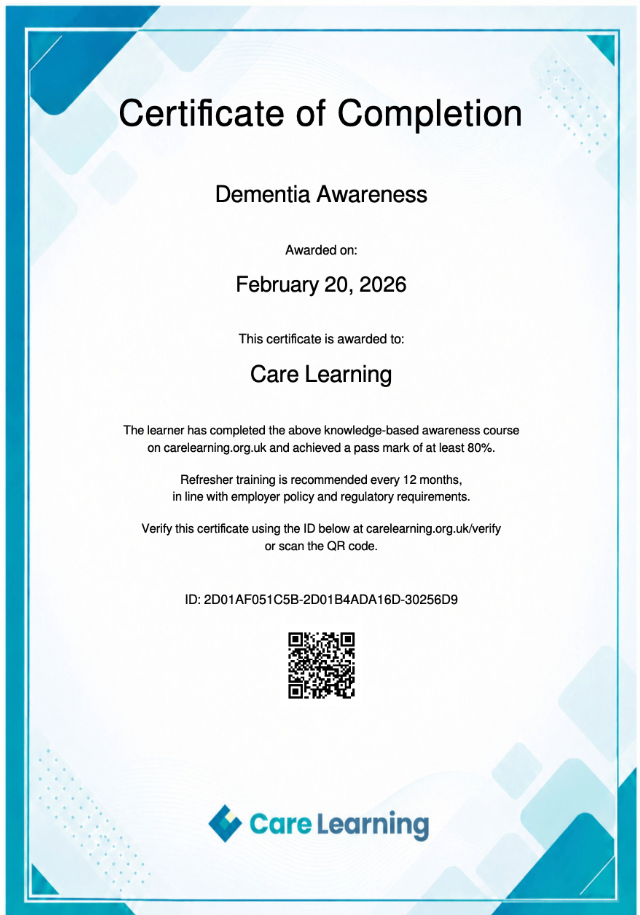
Yes. A certificate is issued after successful completion.
Developing effective partnerships with families can improve communication, strengthen continuity between home and the early years setting and help practitioners respond more confidently to children’s individual needs. This course provides a practical foundation for respectful, inclusive and continuous family engagement.
Enrol now to build your understanding of parental partnerships in early years.