
This online course explores settling-in and separation anxiety in early childhood, with a practical focus on supporting children through transitions into nurseries, childminding provision and other early years settings. It is designed for practitioners who need to understand children’s different responses to separation and provide calm, individualised support.
This free course covers the developmental and attachment-informed basis of separation responses, the EYFS key person role, preparation and arrival strategies, partnership with families, support for children with SEND and other vulnerabilities, and the signs that may indicate a need for additional advice or escalation. Learners will also consider how to distinguish ordinary separation anxiety from wider attachment concerns without making unsupported assumptions or diagnoses.
Why Take This eLearning Course?
Settling into an unfamiliar environment can be a significant transition for a young child and their family. Understanding what separation distress may communicate helps practitioners respond sensitively, build dependable relationships and adapt arrangements according to the individual child’s needs rather than relying on a fixed approach.
This course will help you to:
- Understand why separation anxiety can occur during early childhood.
- Recognise both obvious and less visible signs of separation distress.
- Support gradual, responsive settling-in arrangements.
- Use the key person relationship to build familiarity and emotional security.
- Make arrivals, goodbyes and post-separation support more predictable.
- Work constructively with parents and carers throughout the transition.
- Adapt settling-in approaches for children with SEND and additional vulnerabilities.
- Review children’s responses and adjust support using factual observations.
- Recognise when anxiety may require further advice or professional input.
- Work within appropriate SEND, health and safeguarding procedures when concerns arise.
Learning Outcomes
By the end of this course, you will be able to:
- Define separation anxiety in early childhood and describe its developmental context.
- Explain how attachment-informed thinking can help practitioners understand separation responses.
- Identify common signs of separation anxiety and important individual differences.
- Explain the purpose of settling-in and the role of the EYFS key person.
- Describe practical approaches for preparing children and supporting arrivals and goodbyes.
- Review and adapt settling-in arrangements according to observed patterns.
- Identify appropriate adjustments for children with SEND and other individual needs.
- Describe effective ways to work with parents and carers during the settling-in period.
- Distinguish ordinary separation anxiety from broader attachment or developmental concerns.
- Identify when concerns should be discussed, referred or escalated through appropriate procedures.
Settling In and Separation Anxiety in Early Years Course Outline
The course is organised into six modules, progressing from an understanding of separation anxiety through practical settling-in support, individual needs, family partnership and appropriate escalation.
Module 1: Understanding Separation Anxiety
Learners will explore what separation anxiety means in early childhood and why distress linked to separation from familiar caregivers can form part of ordinary development. The module introduces attachment-informed thinking as a way of understanding children’s expectations of comfort and safety, while emphasising that practitioners should not use individual behaviours to diagnose attachment patterns or disorders. Learners will examine common responses including crying, clinging, reassurance-seeking, withdrawal and changes in behaviour, alongside the influence of age, development, temperament, communication, previous experiences and family circumstances.
Module 2: The Settling-In Process and the Key Person Role
Learners will examine the purpose of settling-in and how gradual familiarity with people, routines and surroundings can support a child’s transition. The module explains the EYFS key person role, individualised care and partnership with families. It also considers evidence relating to temporary emotional and physiological stress during adaptation and how responsive relationships and predictable experiences can support growing confidence. Learners will identify risks associated with rushed or inflexible approaches, including compressed timetables, changing adults, rigid session expectations and operational pressures.
Module 3: Preparing for and Supporting Separation
Learners will consider how preparation before a child starts can establish a more responsive settling-in plan. This includes gathering information from families, arranging familiarisation opportunities and providing consistent adult support. The module explores calm arrival routines, clear goodbyes, appropriate comfort strategies, co-regulation, familiar activities and sensitive responses after separation. Learners will also consider how factual observations across several sessions can be used to review progress and adapt arrangements when a child’s needs change.
Module 4: Individual Needs and Different Early Years Contexts
Learners will explore additional considerations for children with SEND, including predictability, familiar communication methods, sensory needs, reasonable adjustments and teamwork with families, the SENCO and other professionals. The module also considers supportive practice where children have experienced loss, disrupted caregiving or major change, while explaining why separation behaviour alone should not be treated as evidence of an attachment disorder. Learners will compare settling-in within nursery and childminding contexts and examine transition considerations for summer-born children entering reception, including part-time attendance, deferred entry and requests for admission outside the normal age group.
Module 5: Working in Partnership with Families
Learners will develop an understanding of how practitioners and families can agree a flexible settling-in plan using information about routines, communication, comfort strategies, previous separation experiences and the child’s individual responses. The module considers ways to support anxious parents and carers through respectful communication, realistic reassurance and agreed goodbye routines. Learners will also examine how factual handovers, regular two-way communication and clear discussion of patterns can support constructive decisions about whether arrangements should continue or change.
Module 6: Recognising Concerns and Taking Appropriate Action
Learners will identify signs that separation anxiety may require additional support, including unusually intense distress, lack of improvement over time and significant effects on attendance, eating, sleeping, play or general wellbeing. The module explains how practitioners can distinguish ordinary separation responses from wider attachment concerns by considering development, context and broader patterns rather than individual behaviours. Learners will also review appropriate routes for recording concerns, discussing developmental or SEND needs, seeking health advice and following safeguarding procedures. The course concludes by reinforcing the importance of understanding the child, responding through individualised relationships and escalating concerns through appropriate professional routes.
Target Audience
This course is suitable for:
- Early years practitioners working in nurseries and preschool provision.
- Registered childminders and childminding assistants.
- Nursery room leaders, supervisors and managers.
- Early years SENCOs and staff supporting children with additional needs.
- School staff involved in children’s transition into reception.
- Other professionals or volunteers supporting young children during early years transitions.
No previous specialist knowledge is required.
FAQ
Who is this course suitable for?
The course is suitable for practitioners and other adults who support young children during transitions into early years provision. This includes nursery staff, childminders, early years leaders, SENCOs and staff involved in reception transition.
Do I need any previous experience?
No previous specialist knowledge of separation anxiety or attachment is required. The course introduces the key concepts before moving into practical approaches for settling-in, observation, family partnership and responding to concerns.
What will I learn on the settling-in and separation anxiety course?
You will learn how separation anxiety can present in early childhood, why children respond differently, how settling-in can be planned and adapted, and how responsive relationships can support children before, during and after separation. The course also covers SEND, family communication, attachment concerns and appropriate escalation.
Will this course help with day-to-day early years practice?
Yes. The course focuses on practical situations such as preparing for a child’s start, planning familiarisation, managing arrivals and goodbyes, providing comfort after separation, communicating with families and reviewing whether a settling-in plan is working.
Does the course cover practical skills?
The course develops practical decision-making and observation skills rather than teaching a single fixed settling-in method. Learners will consider how to recognise children’s cues, provide co-regulation, use predictable routines, record patterns and adjust arrangements according to individual needs.
Does it cover EYFS responsibilities and good practice?
Yes. The course considers the EYFS key person role, individualised care and partnership with parents and carers. It also covers appropriate SEND, health and safeguarding routes where a child’s needs or wider circumstances require additional support.
How does the course approach attachment concerns?
It explains the relevance of attachment-informed thinking while maintaining clear professional boundaries. Separation distress, crying, clinging or withdrawal should not be used by early years practitioners to diagnose an attachment style or attachment disorder. The course explains when broader concerns may require discussion or appropriately qualified professional assessment.
Does the course consider children with SEND?
Yes. Learners will consider how predictability, communication methods, sensory adjustments, additional processing time and collaborative planning can make settling-in more manageable for individual children with SEND.
How long does the course take?
The course is self-paced and usually takes around 1 hour to complete.
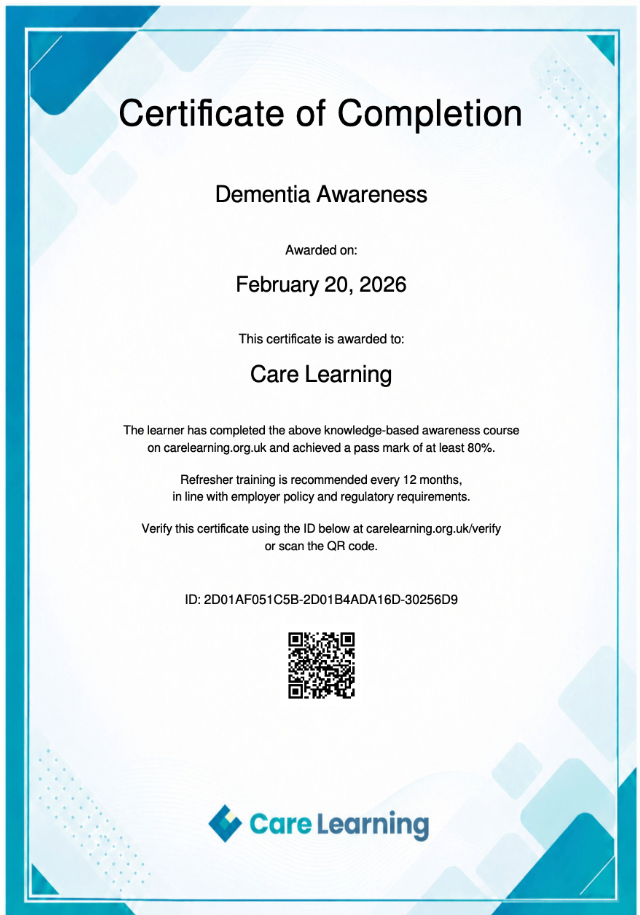
Will I receive a certificate?
Yes. A certificate is issued after successful completion.
A thoughtful approach to settling-in helps practitioners understand children’s individual responses, provide dependable support and work collaboratively with families during an important transition. This course provides a clear foundation for responsive early years practice while helping learners recognise when a child’s distress may require additional consideration or professional input.
Enrol now to build your understanding of settling-in and separation anxiety in early years.