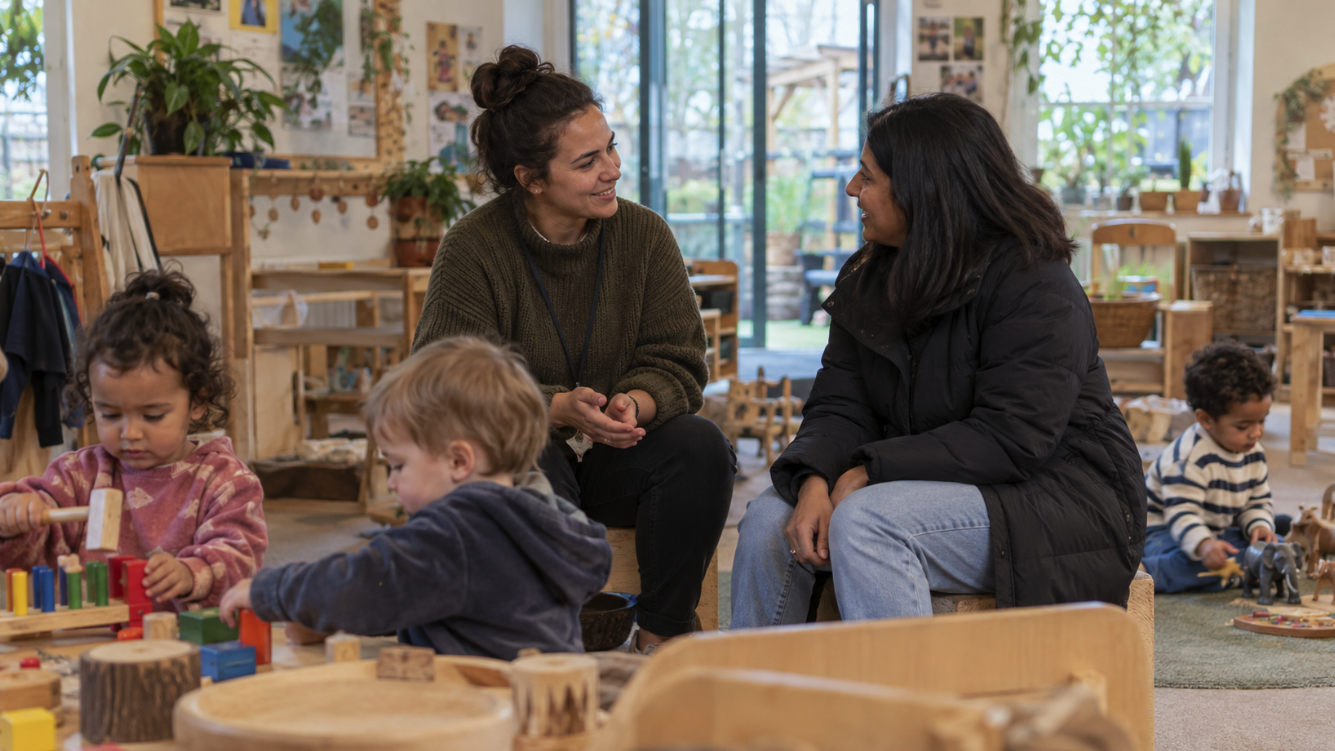
This online Two-Year Progress Check in Early Years course is designed for practitioners, childminders, managers and other early years professionals involved in reviewing the learning and development of children aged two to three. It explains the purpose of the statutory EYFS progress check, how it relates to the Healthy Child Programme health and development review, and how professionals can work with families to identify strengths and support needs.
This free course covers current EYFS requirements, professional responsibilities, observation and assessment, the three prime areas of learning and development, parental involvement, information sharing, additional support, safeguarding and effective follow-up. Learners will also explore how to produce clear written summaries, use professional judgement appropriately and maintain useful records without turning the progress check into a diagnostic assessment or rigid milestone exercise.
Why Take This eLearning Course?
A well-completed progress check can help practitioners, families and relevant professionals develop a clearer understanding of a child’s development and respond appropriately where additional support may be helpful. This course supports a balanced, practical approach that keeps the individual child at the centre of assessment and decision-making.
This course will help you to:
- Understand the purpose and boundaries of the EYFS progress check.
- Distinguish the progress check from the Healthy Child Programme review and integrated review arrangements.
- Apply current statutory requirements when preparing a written summary.
- Recognise development across the three prime areas through everyday practice.
- Use observations, family knowledge and professional judgement effectively.
- Communicate strengths and emerging concerns clearly and respectfully.
- Work constructively with parents, carers, SENCOs and health professionals.
- Identify when additional support or professional advice may be appropriate.
- Distinguish developmental concerns from safeguarding concerns.
- Plan effective actions, follow-up, record keeping and handovers.
Learning Outcomes
By the end of this course, you will be able to:
- Define the EYFS progress check, Healthy Child Programme review and integrated review.
- Explain when the different reviews take place and their respective purposes.
- Identify statutory requirements for the two-year progress check.
- Describe professional responsibilities within early years and joined-up working.
- Assess development using everyday observations and appropriate professional judgement.
- Record strengths, support needs, concerns and next steps in a concise written summary.
- Involve parents and carers meaningfully in assessment and support planning.
- Explain appropriate approaches to consent, information sharing and confidentiality.
- Identify suitable support, referral and safeguarding escalation routes.
- Complete, review and follow up a progress check using clear and proportionate records.
Two-Year Progress Check in Early Years Course Outline
The course is organised into six modules, progressing from the purpose and statutory basis of the two-year progress check through assessment, partnership working, additional support and practical completion. Each module focuses on knowledge and approaches that can be applied directly within early years provision.
Module 1: Understanding the Two-Year Progress Check and Related Reviews
Learners will explore the different purposes of the statutory EYFS progress check, the Healthy Child Programme health and development review and local integrated review arrangements. The module explains when each review usually takes place, how education and health information can complement one another, and the separate roles of early years and health professionals. Learners will also consider the boundaries of practitioner assessment, including why the progress check should reflect knowledge of the child over time without becoming a clinical, diagnostic or rigid milestone assessment.
Module 2: Statutory Requirements, Responsibilities and Written Summaries
Learners will examine the EYFS statutory requirements applying from 1 September 2026, including the requirement to review a child’s progress between the ages of two and three and provide parents or carers with a short written summary. The module covers the three prime areas of communication and language, physical development, and personal, social and emotional development. It also explains the responsibilities of practitioners, providers, managers, childminders, SENCOs and health visitors, alongside practical guidance on recording strengths, areas requiring support, developmental concerns and appropriate next steps.
Module 3: Observation, Development and Professional Judgement
Learners will consider how everyday play, routines, conversations, relationships and family knowledge contribute to a rounded understanding of development. The module explores what practitioners may observe within the three prime areas while emphasising that individual behaviours should not be treated as pass-or-fail milestones. Learners will examine how to use developmental guidance thoughtfully, consider different rates of development and avoid common assessment mistakes such as over-reliance on checklists, excessive evidence, unnecessary comparison or conclusions based on isolated observations.
Module 4: Partnership Working, Information Sharing and Communication
Learners will explore how to involve parents and carers as genuine partners throughout the progress-check process by listening to family knowledge, sharing observations clearly, agreeing practical actions and reviewing progress together. The module also examines joined-up working between early years and health visiting teams, including how complementary information can support a fuller picture of the child. Learners will consider consent, routine information sharing, safeguarding-related sharing and the importance of clear, factual and respectful conversations when discussing progress or concerns.
Module 5: Additional Support, Referral and Safeguarding
Learners will examine how patterns observed over time and across different contexts may indicate that a child would benefit from additional support. The module covers targeted strategies, involvement of the SENCO or inclusion support, health visitor liaison and appropriate local referral routes. Learners will also distinguish developmental concerns from safeguarding concerns and understand why evidence of possible abuse, neglect, exploitation or other risk of harm requires a separate safeguarding response through the procedures applying to the provision and local area.
Module 6: Completing, Reviewing and Improving the Progress Check
Learners will work through a practical process for preparing, reviewing, writing, agreeing and sharing the progress check using information already gathered through everyday practice. The module explains how to agree responsibilities, set suitable review points and consider whether planned strategies are helping the child participate and progress. Learners will also examine the features of good-quality records and handovers, including factual observations, family views, actions taken and support arrangements, before using reflective questions to evaluate and improve future practice.
Target Audience
This course is suitable for:
- Early years practitioners working with children aged two to three.
- Nursery and pre-school staff responsible for observing and reviewing development.
- Registered childminders completing statutory progress checks.
- Early years managers and leaders overseeing assessment practice.
- SENCOs and inclusion practitioners supporting children with emerging needs.
- Professionals who contribute to joined-up early years and developmental support.
No previous specialist knowledge is required.
FAQ
Who is this course suitable for?
This course is suitable for early years practitioners, childminders, nursery and pre-school staff, managers, SENCOs and others involved in supporting the development of children aged two to three. It is particularly relevant to people who complete, contribute to or oversee the EYFS progress check.
Do I need any previous experience?
No specialist experience is required. The course introduces the purpose and requirements of the progress check before developing practical knowledge of observation, professional judgement, family involvement, support planning and follow-up.
What will I learn on the Two-Year Progress Check in Early Years course?
You will learn how the EYFS progress check relates to the Healthy Child Programme review, what the statutory written summary should contain and how development can be considered across the three prime areas. The course also covers professional roles, family partnership, information sharing, additional support, safeguarding, referrals and effective follow-up.
Will this course help with day-to-day practice?
Yes. The course focuses on using information already available through everyday play, routines, interactions and relationships. It supports practitioners to make balanced judgements, hold constructive conversations with families, identify useful next steps and keep assessment proportionate.
Does the course cover practical skills?
Yes. Learners are guided through preparing and writing the progress check, recording strengths and concerns, agreeing actions, discussing development with families, planning targeted support, reviewing progress and maintaining useful records and handovers.
Does the course cover relevant responsibilities and good practice?
Yes. The course explains the statutory EYFS requirements for the progress check and the respective responsibilities of practitioners, providers, managers, childminders, SENCOs and health visitors. It also covers consent, confidentiality, appropriate information sharing and the distinction between developmental and safeguarding concerns.
Does the progress check diagnose developmental conditions?
No. The EYFS progress check is not a clinical or diagnostic assessment. Early years practitioners use their knowledge and observations to describe development, identify strengths and recognise areas where additional support or professional advice may be helpful. Clinical assessment and diagnosis remain outside the practitioner’s role.
How should parents and carers be involved?
Parents and carers should be involved as partners. Their knowledge of the child can provide important context, and they should have opportunities to share observations, discuss the written summary, understand any concerns and agree realistic strategies and next steps.
How long does the course take?
The course is self-paced and usually takes around 1 hour to complete.
Will I receive a certificate?
Yes. A certificate is issued after successful completion.
The Two-Year Progress Check in Early Years course provides a practical introduction to completing a balanced, child-centred progress review. It supports practitioners to meet statutory expectations while using proportionate assessment, professional judgement, family partnership and coordinated follow-up to respond effectively to each child’s individual strengths and needs.
Enrol now to build your understanding of the two-year progress check in early years.
Watch the course trailer

Captions are available in the player (CC). The video plays from YouTube, which only loads when you press play.